
Image: Ars Technica
Discover how new research re-dates the Monte Verde site, revealing humans lived there 8,000 years ago, but the broader narrative of migration remains unchanged.
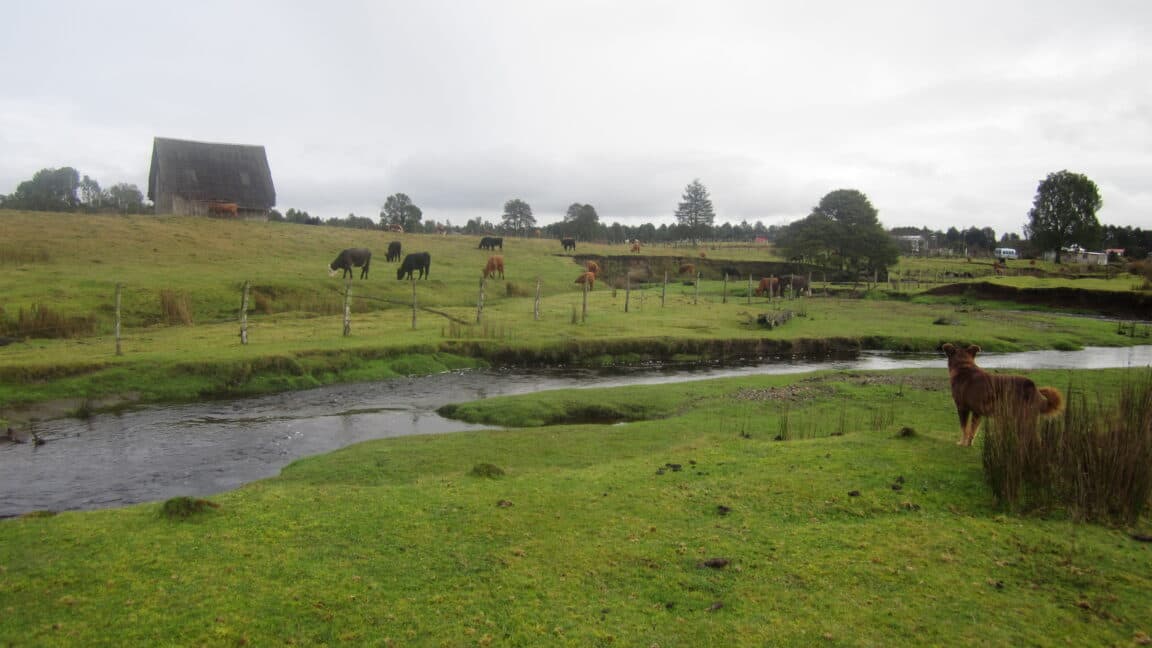
GlipzoRecent research has brought to light a significant revision in the timeline of human habitation at the Monte Verde archaeological site in southern Chile. Initially estimated to be 14,500 years old, a new study led by Todd Surovell, an archaeologist at the University of Wyoming, suggests that the site is actually only about 8,000 years old. This revelation, while reshaping our understanding of Monte Verde's timeline, does not drastically alter the overall narrative of early human migration into the Americas.
Monte Verde is a critical location in the study of early human presence in the Americas, situated far from the Bering Land Bridge, which has long been considered a migration route. The original dating of the site was groundbreaking, indicating that humans were established in the Americas well before the end of the last Ice Age. However, the recent findings by Surovell and his team, published in a peer-reviewed journal, demonstrate that while the organic materials found at the site are indeed around 14,500 years old, the geological context suggests that the actual occupation of the site occurred much later.
The initial announcement in 1997 regarding the age of Monte Verde sent shockwaves through the archaeological community. At that time, it was widely accepted that no humans inhabited the Americas until at least 13,000 years ago. The original team’s findings were backed by radiocarbon dating of organic materials, such as wood and seaweed, found in the sediment layers. These dates aligned with the understanding of the region's geological history, leading to the acceptance of Monte Verde as a critical piece of evidence against the then-dominant Clovis First hypothesis.
The Clovis First theory posited that the Clovis people were the first inhabitants of the Americas, arriving around 13,000 years ago. However, Monte Verde's earlier dating challenged this notion, suggesting a more complex timeline of human migration into the continent. As more studies emerged supporting the Monte Verde findings, it contributed to a paradigm shift in the understanding of when and how humans populated the Americas.
Surovell and his colleagues conducted a careful re-evaluation of the stratigraphy of the Monte Verde site, mapping the different sediment layers and their ages. They discovered that the sediment layer containing the organic materials was not necessarily representative of the age of human occupation. Instead, it was likely that the layer washed in later, eroded from older deposits along the riverbank and resulting from geological processes over thousands of years. Their analysis revealed:
This complex interplay of geological events suggests that the surface upon which ancient Chileans camped did not exist during the Late Pleistocene. Instead, it emerged as a product of Early Holocene erosion, meaning that any conclusions drawn about the site’s role in the peopling of the Americas based on an earlier date must be reconsidered.
The implications of this new dating are profound yet nuanced. While the age of the Monte Verde site has been revised downward, the broader narrative of early human migration remains intact. Significant archaeological evidence continues to support the idea that humans occupied the Americas much earlier than previously thought. The revised date does not reinstate the Clovis First hypothesis, which has been increasingly challenged by various findings across North America.
Researchers emphasize that this finding exemplifies the dynamic nature of archaeological research, where new methodologies and interpretations can lead to important shifts in understanding. The study of early human migration is complex, and as new evidence emerges, it is crucial for the scientific community to adapt and refine its theories.
As the field of archaeology continues to evolve, there are several key areas to watch: - Ongoing Excavations: Further excavations at Monte Verde and similar sites may yield additional evidence that could refine our understanding of early human life in South America. - Technological Advancements: New dating technologies and methodologies could provide more accurate timelines for human habitation across different regions. - Interdisciplinary Research: Collaboration between archaeologists, geologists, and climate scientists will be essential in reconstructing the environmental conditions that influenced human migration patterns.
In conclusion, while the new findings at Monte Verde may alter specific details about the site’s timeline, they do not significantly change the overarching narrative of human migration into the Americas. As researchers continue to uncover the complexities of our past, it remains essential to approach each new discovery with openness and a readiness to adapt our understanding accordingly.

Discover how the brain protein Menin could be the key to halting cognitive decline with new research that uncovers its vital role in aging.
Indian Express
A new 'killer fungus' discovered in the UK targets invasive heath-star moss, offering hope for restoring native habitats. Will it turn the tide against invasives?
BBC Science
A Blue Origin rocket exploded during a test in Florida, prompting investigations. All personnel are safe. What does this mean for the future of space travel?
BBC Business