
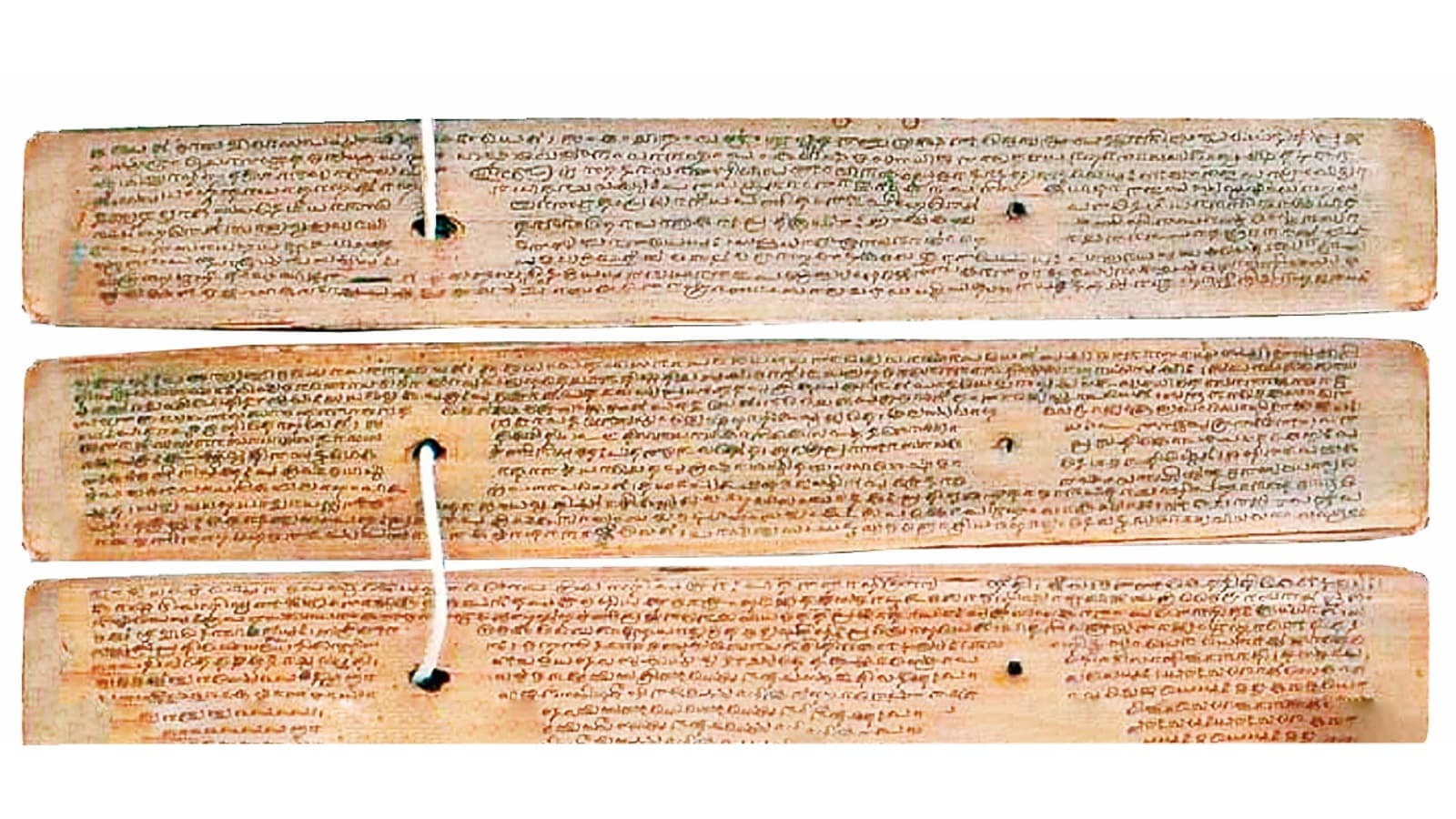
Image: Indian Express
Discover how ancient India pioneered rainfall measurement, influencing public policy in ways often overlooked in global science history.
GlipzoIndia has made pivotal contributions to global advancements in science and technology, yet these achievements often go unnoticed, both domestically and internationally. One of the primary reasons for this lack of recognition is the absence of dedicated research institutions focused on the history of science and technology within Indian universities, including prestigious institutes like IITs and IISc.
Take, for instance, the fascinating history of rainfall measurement in ancient India. Picture a government official during the reign of the Mauryan Empire, around 300 BCE. Positioned at the entrance of a state granary after the monsoon, he stands before a clay bowl—carefully crafted, standardized, and strategically placed as per directives from the chief minister. The official measures the water level, converts it into dronas, and meticulously documents the figure for the state. This information travels through the bureaucratic system, informing critical decisions regarding agricultural relief, tax obligations, and harvest forecasts. Such systematic rainfall measurement was not just a practice but a legal necessity, as detailed in one of India's most influential administrative texts.
The Arthashastra, attributed to Kautilya—the chief minister to Chandragupta Maurya—is a treatise on statecraft, economics, and administration that was written around the 4th to 3rd century BCE. Among its many insights, the text provides a comprehensive framework for measuring rainfall, featuring a standardized instrument, defined units of measurement, and designated collection points across six distinct zones of the Indian subcontinent.
This historical account underscores the significance of evidence-based hydrological knowledge in shaping public policy in ancient India. The drona, which equals approximately 13.2 kg of water, served as a unit of measurement that corresponded to depth readings of rainfall. The Arthashastra outlines expected annual rainfall for various regions, including the Himalayan foothills, Gangetic plains, coastal areas, and arid inland regions. The direct correlation between actual rainfall and the economic conditions of a predominantly agrarian society influenced taxation decisions and the distribution of subsidies during periods of low rainfall.
Fast forward over 1,700 years, and the next significant advancement in rainfall measurement is often attributed to the Korean Cheugugi, established under King Sejong in 1441 CE. This system is frequently recognized in global hydrological literature as the first standardized raingauge network. Europe entered this realm even later, with Benedetto Castelli's rainfall observations emerging in 1639, followed by Christopher Wren's development of the tipping-bucket gauge in 1662.
Thus, if the Arthashastra's methodology is accepted on its own merits, it represents the earliest known instance of a state-administered rainfall measurement system in recorded human history.
What makes this discovery particularly striking is not just the existence of the measuring instrument but the fact that the measurement was mandated by law rather than left to local discretion. The raingauge was strategically placed at a government facility, such as a storehouse, ensuring uniformity across various locations. This data was then directly integrated into tax policy, linking rainfall totals with agricultural tax remissions. Farmers in drought-affected areas received state assistance based on the figures recorded by the gauge, showcasing a sophisticated, evidence-driven governance model that was deeply embedded in the operational framework of an ancient state.
The lack of acknowledgment of such monumental achievements in global science history points to a more profound issue than mere oversight. The prevailing narrative of scientific advancement has largely been shaped during the European Enlightenment and solidified during the colonial period. Measurement and systematic observation were often portrayed exclusively as Western innovations, while India's rich contributions were relegated to obscurity.
Moreover, India's colonial education system was primarily designed to produce administrators rather than historians of indigenous knowledge. Following independence, investments in research focused on the history of science have remained notably scarce. This scarcity is not due to a lack of evidence but rather the absence of institutions and resources dedicated to exploring these critical areas of study.
As we examine the implications of India's historical advancements in rainfall measurement, it is clear that a reevaluation of the narrative surrounding global scientific contributions is necessary. Recognizing the Arthashastra and similar works as foundational texts in the history of science can lead to a broader understanding of the rich intellectual legacy that India possesses.
Moving forward, there is a critical need for institutions to initiate research dedicated to uncovering and celebrating India's scientific heritage. This revival could foster a renewed appreciation for the country’s historical innovations, both domestically and on the world stage.
As more researchers delve into these neglected areas, we may witness a transformation in how India’s contributions to science and technology are perceived and understood. The future holds the promise of a more inclusive narrative that honors the global tapestry of scientific advancement, where India's role is acknowledged and celebrated.
In conclusion, the journey to rediscover India's scientific contributions begins with a commitment to understanding and documenting its rich history, ensuring these remarkable achievements receive the recognition they rightly deserve.

Discover how the brain protein Menin could be the key to halting cognitive decline with new research that uncovers its vital role in aging.
Indian Express
A new 'killer fungus' discovered in the UK targets invasive heath-star moss, offering hope for restoring native habitats. Will it turn the tide against invasives?
BBC Science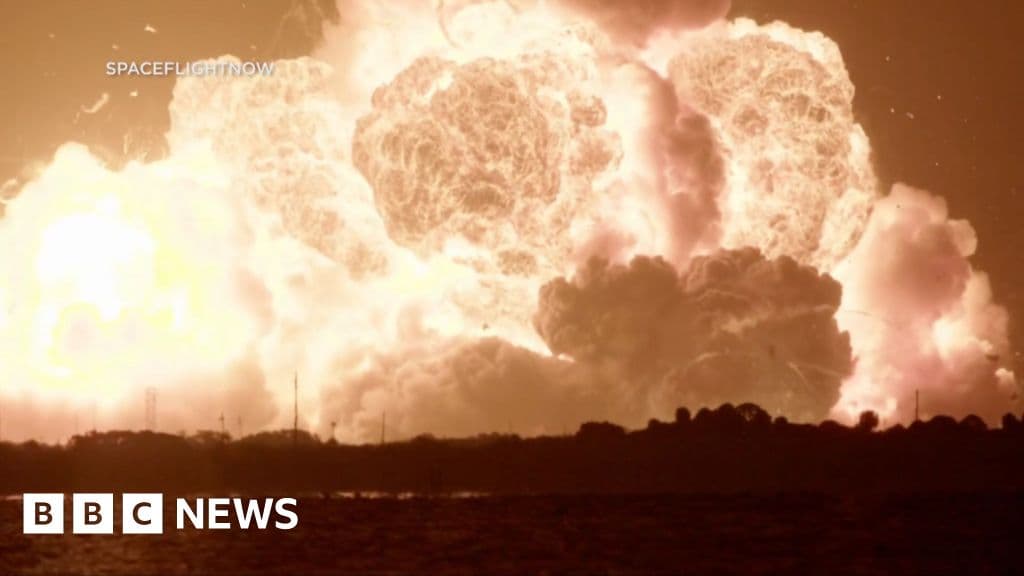
A Blue Origin rocket exploded during a test in Florida, prompting investigations. All personnel are safe. What does this mean for the future of space travel?
BBC Business