Glipzo
WorldTechnologyBusinessSportsEntertainmentScienceHealthPolitics
Glipzo
WorldTechnologyBusinessSportsEntertainmentScienceHealthPolitics
  1. Home
  2. /
  3. Science
  4. /
  5. Revealed: Ravens Use Memory, Not Wolves, for Food Strategy
Revealed: Ravens Use Memory, Not Wolves, for Food Strategy

Image: Science Daily

Science
Friday, March 20, 20265 min read

Revealed: Ravens Use Memory, Not Wolves, for Food Strategy

Discover how ravens use memory, not wolves, to find food in Yellowstone. This groundbreaking study reveals the intelligence behind their foraging strategies.

Glipzo News Desk|Source: Science Daily
Share
Glipzo

Key Highlights

  • Ravens remember food locations, flying up to 155 km to find it.
  • Research reveals raven behavior is more complex than following wolves.
  • Ravens show impressive cognitive skills in navigating to kills.
  • Only one instance of a raven trailed a wolf over long distances.
  • Study highlights the importance of spatial memory in animal behavior.

In this article

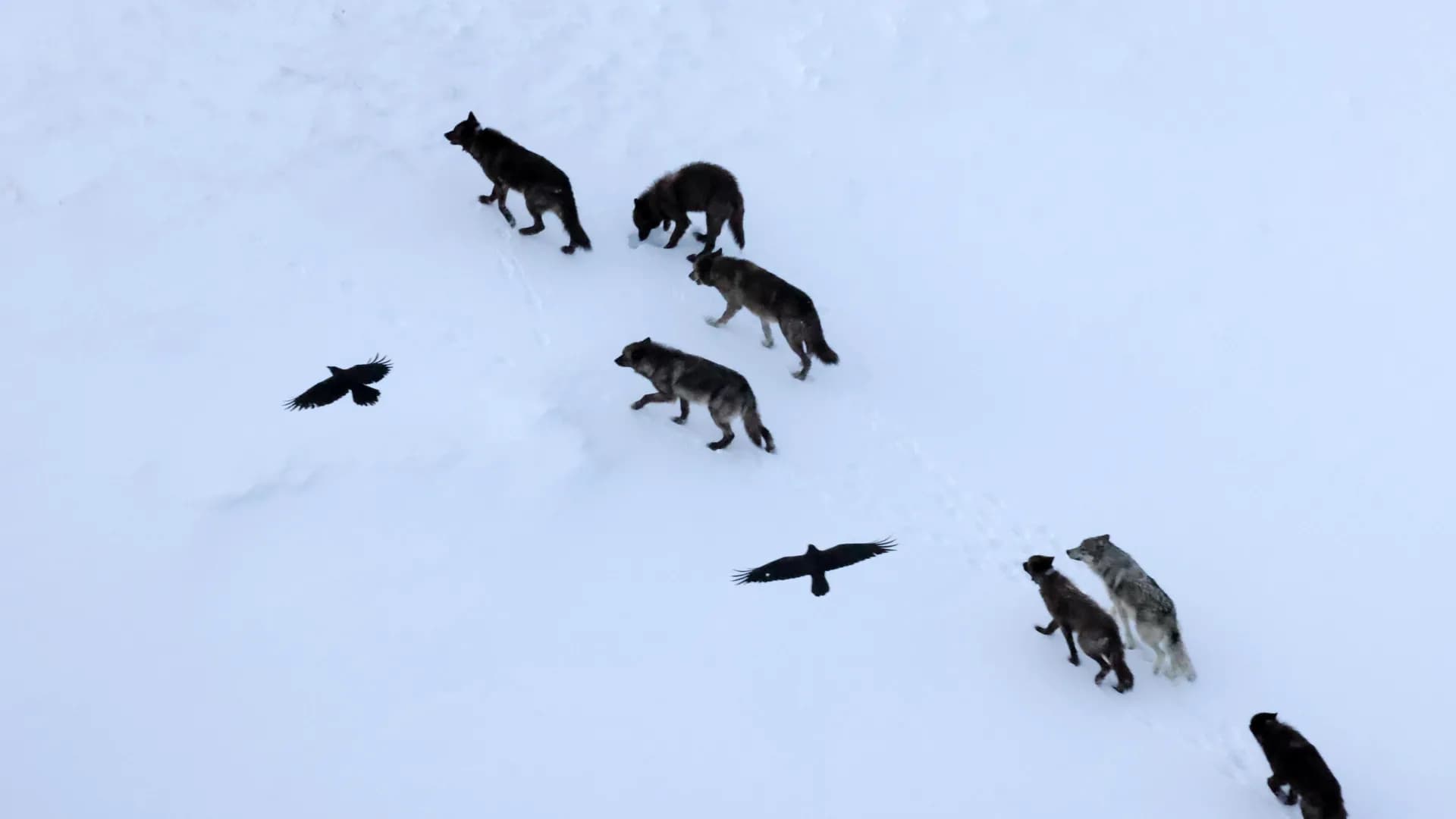
  • Ravens and Wolves: A Complex Relationship In a stunning revelation about animal behavior, researchers have uncovered that **ravens**, often seen hovering around **wolves** during hunts, are not merely following these predators for food. This groundbreaking study conducted over two and a half years in **Yellowstone National Park** demonstrates that these intelligent birds possess a sophisticated strategy to locate food, relying heavily on their **spatial memory** rather than simply tailing wolves.
  • Understanding Raven Behavior in Yellowstone The study, which was published in the prestigious journal **Science**, involved tracking the movements of both ravens and wolves across the breathtaking landscapes of Yellowstone. Since the reintroduction of wolves to the park in the mid-1990s, researchers have observed a fascinating dynamic between these two species. Wolves create feeding opportunities that attract various scavengers, leading many to believe that ravens simply follow them. However, this study challenges that assumption, revealing a deeper understanding of these birds’ foraging strategies.
  • The Research Team and Methodology The research was a collaborative effort involving the **Research Institute of Wildlife Ecology** at the University of Veterinary Medicine Vienna, along with the **Max Planck Institute of Animal Behavior** in Germany, and several other institutions, including the **Senckenberg Biodiversity and Climate Research Centre** and the **University of Washington**. A significant aspect of the study was the use of GPS technology to track **69 ravens** and **20 wolves**, a notable feat given the difficulty in capturing and tracking these intelligent birds.
  • Surprising Findings on Raven Movement After extensive tracking, the researchers discovered only one instance of a raven following a wolf for more than a kilometer. This revelation led Dr. Loretto to remark on the puzzling nature of the birds' behavior. The data showed that rather than trailing wolves, ravens were adept at returning to specific areas where they anticipated the presence of carcasses.
  • The Importance of Spatial Memory The findings underscore the significance of **spatial memory** in the survival strategies of ravens. Unlike many creatures that rely on immediate proximity to predators for food, these birds demonstrate an impressive understanding of their environment, allowing them to thrive even when they are not directly following wolves. This behavior is particularly crucial in the vast and varied landscapes of Yellowstone, where food sources can be scattered and unpredictable.
  • Why It Matters This research not only reshapes our understanding of the interactions between ravens and wolves but also sheds light on the broader implications of animal behavior and ecology. Understanding how different species adapt their foraging strategies in response to their environment can provide critical insights into ecosystem dynamics, especially in areas experiencing environmental changes.
  • What’s Next for Ravens and Wolves? Looking ahead, continued research into the relationships between scavengers like ravens and apex predators such as wolves will be essential. Observing how these dynamics evolve with changing environmental conditions could reveal further insights into the adaptability of wildlife. Additionally, understanding the cognitive abilities of ravens could inspire further studies into animal intelligence and memory across different species.

Ravens and Wolves: A Complex Relationship In a stunning revelation about animal behavior, researchers have uncovered that **ravens**, often seen hovering around **wolves** during hunts, are not merely following these predators for food. This groundbreaking study conducted over two and a half years in **Yellowstone National Park** demonstrates that these intelligent birds possess a sophisticated strategy to locate food, relying heavily on their **spatial memory** rather than simply tailing wolves.

Understanding Raven Behavior in Yellowstone The study, which was published in the prestigious journal **Science**, involved tracking the movements of both ravens and wolves across the breathtaking landscapes of Yellowstone. Since the reintroduction of wolves to the park in the mid-1990s, researchers have observed a fascinating dynamic between these two species. Wolves create feeding opportunities that attract various scavengers, leading many to believe that ravens simply follow them. However, this study challenges that assumption, revealing a deeper understanding of these birds’ foraging strategies.

Dr. Matthias Loretto, the lead author of the study, emphasized the complexity of raven behavior, stating, "They can fly six hours non-stop, straight to a kill site." This ability to navigate vast distances showcases their impressive cognitive skills, which allow them to remember locations where they know kills are likely to happen.

The Research Team and Methodology The research was a collaborative effort involving the **Research Institute of Wildlife Ecology** at the University of Veterinary Medicine Vienna, along with the **Max Planck Institute of Animal Behavior** in Germany, and several other institutions, including the **Senckenberg Biodiversity and Climate Research Centre** and the **University of Washington**. A significant aspect of the study was the use of GPS technology to track **69 ravens** and **20 wolves**, a notable feat given the difficulty in capturing and tracking these intelligent birds.

By disguising traps with local materials, the researchers successfully captured and fitted the ravens with trackers, allowing them to gather crucial data on their movements. They meticulously recorded both raven and wolf locations, focusing primarily on winter months when these interactions peak. The study analyzed the wolves' predation patterns, primarily targeting elk, bison, and deer.

Surprising Findings on Raven Movement After extensive tracking, the researchers discovered only one instance of a raven following a wolf for more than a kilometer. This revelation led Dr. Loretto to remark on the puzzling nature of the birds' behavior. The data showed that rather than trailing wolves, ravens were adept at returning to specific areas where they anticipated the presence of carcasses.

Notably, some ravens were found to travel up to 155 kilometers in a single day, flying directly to locations where they had previously discovered wolf kills. This ability to remember and navigate to productive hunting areas illustrates the remarkable cognitive capabilities of ravens and their adaptability in the wild.

The Importance of Spatial Memory The findings underscore the significance of **spatial memory** in the survival strategies of ravens. Unlike many creatures that rely on immediate proximity to predators for food, these birds demonstrate an impressive understanding of their environment, allowing them to thrive even when they are not directly following wolves. This behavior is particularly crucial in the vast and varied landscapes of Yellowstone, where food sources can be scattered and unpredictable.

Researchers noted that wolf kills tend to cluster in specific regions, which the ravens have learned to identify over time. This knowledge allows them to maximize their foraging efficiency without the need to remain close to their larger counterparts. By being able to recall these locations, ravens significantly increase their chances of accessing food, which highlights their adaptability and intelligence.

Why It Matters This research not only reshapes our understanding of the interactions between ravens and wolves but also sheds light on the broader implications of animal behavior and ecology. Understanding how different species adapt their foraging strategies in response to their environment can provide critical insights into ecosystem dynamics, especially in areas experiencing environmental changes.

As wildlife faces increasing pressures from climate change and habitat loss, studies like this one underscore the need for ongoing research into animal behavior and interspecies relationships. By unraveling the complexities of these interactions, conservationists can better strategize efforts to preserve biodiversity and maintain ecological balance.

What’s Next for Ravens and Wolves? Looking ahead, continued research into the relationships between scavengers like ravens and apex predators such as wolves will be essential. Observing how these dynamics evolve with changing environmental conditions could reveal further insights into the adaptability of wildlife. Additionally, understanding the cognitive abilities of ravens could inspire further studies into animal intelligence and memory across different species.

In conclusion, the study not only highlights the intelligence of ravens but also challenges the simplistic view of predator-prey relationships, paving the way for deeper explorations into animal behavior in natural ecosystems. As we continue to observe and learn from these remarkable creatures, the lessons they offer may play a crucial role in our efforts to protect and conserve wildlife in the future.

Did you find this article useful? Share it!

Share

Related Articles

Exclusive Footage: Historic Hatch Opening of Artemis II Orion
Science
Apr 15, 2026

Exclusive Footage: Historic Hatch Opening of Artemis II Orion

Catch the historic moment as the hatch of Artemis II's Orion capsule opens, reuniting astronauts with a cheering recovery crew after their groundbreaking mission.

BBC Science
Critical Consultation for Golden Eagle Reintroduction in England
Science
Apr 14, 2026

Critical Consultation for Golden Eagle Reintroduction in England

Discover the critical consultation for the golden eagle reintroduction in northern England, aiming to restore this majestic species by 2027.

BBC Science
Transforming Coastal Ecosystems with Floating Wetlands
Science
Apr 14, 2026

Transforming Coastal Ecosystems with Floating Wetlands

Discover how floating wetlands aim to restore vital coastal ecosystems in the UK, offering a sustainable solution to environmental degradation.

BBC Science

Categories

  • World
  • Technology
  • Business
  • Sports

More

  • Entertainment
  • Science
  • Health
  • Politics

Explore

  • Web Stories
  • About Us
  • Contact

Legal

  • Privacy Policy
  • Terms of Service

© 2026 Glipzo. All rights reserved.