
Image: Wired
Discover how new research reveals the mechanics behind cats' ability to land on their feet, offering insights for veterinary medicine and robotics.
GlipzoCats are renowned for their uncanny ability to land on their feet after a fall, sparking curiosity among pet owners and scientists alike. Recent research from Yamaguchi University in Japan has shed light on this remarkable skill, focusing on the unique mechanical structure of a cat's spine. Understanding how these animals execute their midair maneuvers offers insights not only into feline biology but also has applications in robotics and veterinary medicine.
The study, published in the journal The Anatomical Record, highlights the flexibility differences between the thoracic and lumbar regions of a cat's spine. This newfound knowledge emphasizes the mechanical advantages that enable cats to perform their famous righting reflex, a skill that appears almost magical but is deeply rooted in biology.
Researchers conducted an in-depth analysis of the spines of five deceased cats, isolating the thoracic and lumbar sections to assess their mechanical properties. They subjected these sections to various tests, focusing on flexibility, strength, and rotation resistance. Additionally, high-speed cameras captured the graceful descent of two living cats landing on a soft surface.
The findings revealed that a cat's thoracic spine is significantly more flexible than its lumbar spine. This flexibility allows for a remarkable 50-degree rotation with minimal effort. Conversely, the lumbar region remains relatively stiff, acting as a stabilizing anchor during the cat's midair adjustments. This combination of flexibility and rigidity is pivotal for the cat's ability to rotate and align its body correctly before landing.
The study indicated that a cat's process of straightening itself during a fall follows a distinct order. Initially, the cat rotates its head and front legs downward, facilitated by the flexible thoracic spine. Following this, the rest of the body, including the hind legs, aligns accordingly. This sequence of movements is critical to ensuring a successful landing on their feet.
According to the research, “During air-righting, anterior trunk rotation was completed earlier than posterior trunk rotation.” This precise sequence ensures that cats can maneuver their bodies efficiently mid-fall, allowing them to touch down upright. The unique design of their spines is clearly optimized for these kinds of movements.
The insights gained from this study extend beyond mere curiosity about feline behavior. The intricate mechanics of a cat's spine can influence how veterinarians approach spinal injuries in cats and other animals. Understanding the structural advantages of feline spines could pave the way for improved treatment methods and rehabilitation strategies.
Moreover, the findings could inspire advancements in the field of robotics. Engineers and designers could utilize the principles observed in feline biomechanics to create more agile and adaptable robots, potentially enhancing their performance in dynamic environments.
This research not only unravels the mystery behind a cat's righting reflex but also highlights the importance of understanding animal physiology for broader applications. With an increasing interest in biomechanics, studies like this provide valuable lessons that could impact various fields, from medical science to engineering.
As technology continues to evolve, the potential for biomimicry in robotics based on animal movements will only expand. Future research could further explore how other animals adapt to their environments, offering even more innovative solutions to challenges in both nature and technology.
As scientists delve deeper into the mechanics of how animals move, we can anticipate more fascinating discoveries regarding feline agility and other species' adaptations. Upcoming studies may focus on how different breeds of cats compare in their righting abilities or how age and health impact these skills.
In conclusion, the research from Yamaguchi University not only enriches our understanding of feline physiology but also provides a significant foundation for future innovations in both veterinary practices and robotics. As we continue to unlock the secrets of animal movements, the potential benefits to both science and technology are boundless.
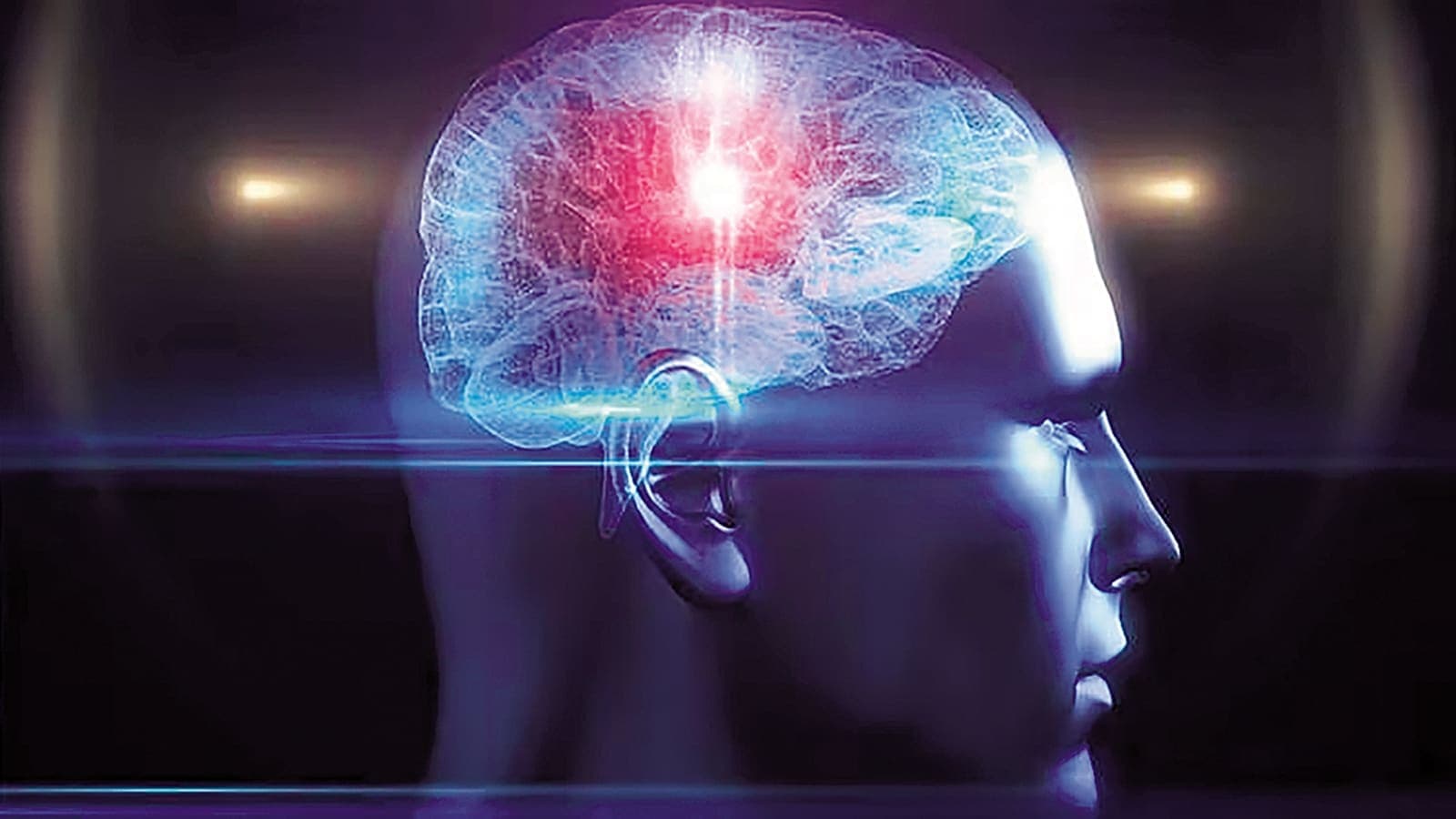
Discover how the brain protein Menin could be the key to halting cognitive decline with new research that uncovers its vital role in aging.
Indian Express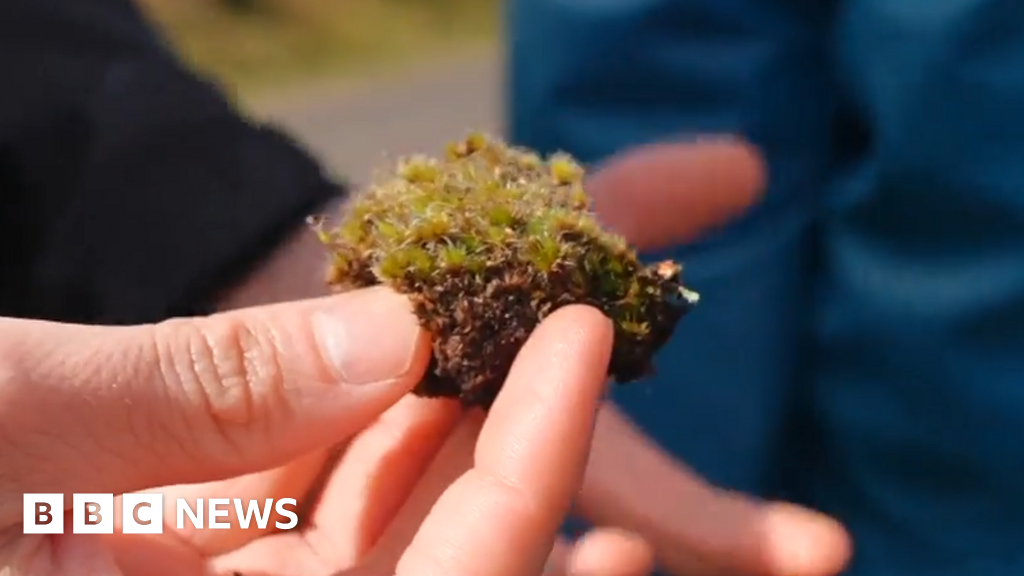
A new 'killer fungus' discovered in the UK targets invasive heath-star moss, offering hope for restoring native habitats. Will it turn the tide against invasives?
BBC Science
A Blue Origin rocket exploded during a test in Florida, prompting investigations. All personnel are safe. What does this mean for the future of space travel?
BBC Business