Glipzo
WorldTechnologyBusinessSportsEntertainmentScienceHealthPolitics
Glipzo
WorldTechnologyBusinessSportsEntertainmentScienceHealthPolitics
  1. Home
  2. /
  3. Science
  4. /
  5. Punjab's Groundwater Crisis: Can DSR Save Soil Health?
Punjab's Groundwater Crisis: Can DSR Save Soil Health?

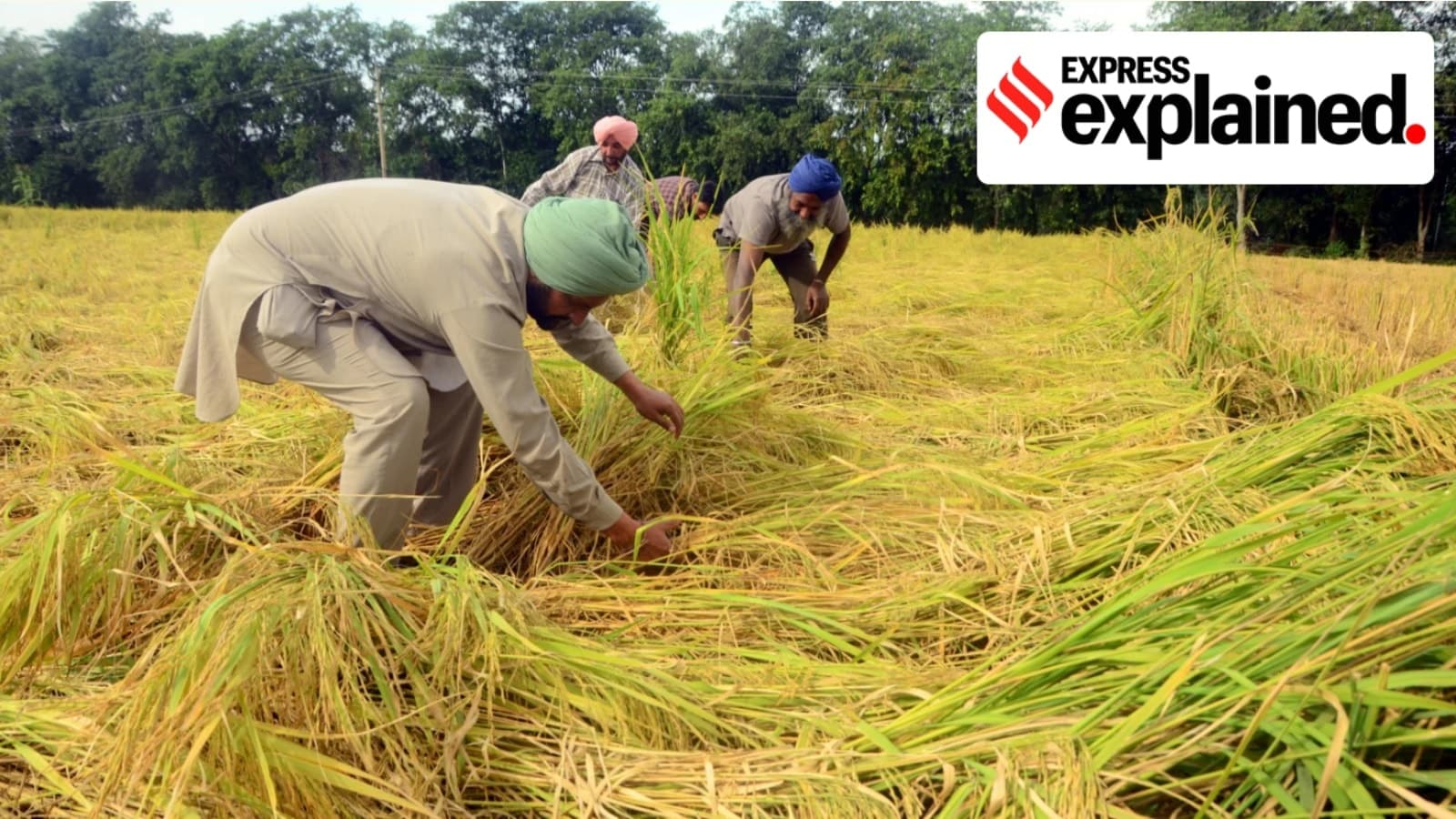
Image: Indian Express

Science
Saturday, May 16, 20265 min read

Punjab's Groundwater Crisis: Can DSR Save Soil Health?

Can Punjab balance rice cultivation with dwindling groundwater? Explore the shift to direct-seeded rice and its implications for soil health and sustainability.

Glipzo News Desk|Source: Indian Express
Share
Glipzo

Key Highlights

  • Punjab's paddy area surged to a record 32.49 lakh hectares.
  • Direct-seeded rice (DSR) could cut water use by 15-20%.
  • Weed competition poses a major challenge for DSR farming.
  • Dependence on herbicides raises concerns about soil health.
  • Future of Punjab’s agriculture hinges on sustainable practices.

In this article

  • Punjab's Paddy Problem: Balancing Growth and Sustainability As Punjab enters another paddy sowing season, it faces a crucial dilemma: the state's **shrinking groundwater reserves** are at odds with the economic realities of **rice farming**. In recent years, the agricultural landscape has seen a significant rise in the area dedicated to paddy cultivation, defying persistent warnings from agricultural experts and environmentalists about the unsustainable practices in place. In the 2025-26 season, the area under paddy cultivation reached an unprecedented **32.49 lakh hectares**, marking an increase from **32.44 lakh hectares** in the previous year. This expansion raises urgent questions regarding the long-term viability of rice farming in Punjab, particularly in light of its heavy reliance on water resources.
  • Direct-Seeded Rice: A Promising Solution? In light of this escalating groundwater crisis, the **Punjab government** has turned its attention to **direct-seeded rice (DSR)** as a potential solution. Over the last decade, the state has promoted DSR as a more sustainable alternative to the traditional **puddled transplanted rice** system. With a substantial budget allocation of **Rs 40 crore** for the 2026-27 fiscal year, the government aims to incentivize farmers by offering **Rs 1,500 per acre** for those transitioning to DSR methods. This initiative covers approximately **2.77 lakh acres** and is being touted as a revolutionary approach to conserve water and address labor shortages in the agricultural sector.
  • The Mechanics of Direct-Seeding The DSR method represents a significant shift in agricultural practice. Instead of transplanting nursery-grown seedlings into flooded fields, seeds are directly sown into well-prepared soil using seed drills. This method not only reduces water consumption by **15-20%** but also lowers the labor demands, a growing concern given the rising costs and shortage of migrant labor during peak periods.
  • Advantages of DSR - **Water Conservation**: DSR reduces irrigation needs significantly during early growth phases, alleviating the pressure on groundwater. - **Labor Efficiency**: By diminishing the need for labor-intensive transplanting, DSR addresses pressing workforce shortages in Punjab’s agriculture.
  • The Weed Dilemma One of the major challenges facing DSR is **weed competition**. Unlike traditional paddy fields, where standing water suppresses weed growth, DSR fields remain relatively dry or moist, creating favorable conditions for weeds to thrive. This can lead to the emergence of various weed species, including grasses, sedges, and broadleaf weeds, and even “weedy rice” that closely resembles cultivated varieties.
  • Common Weeds in Punjab's DSR Fields Some prevalent weeds affecting DSR in Punjab include: - Swank - Madhana - Chini Gha - Takri Gha - Mothas - Paddy Motha
  • The Chemical Dependency Concern As weeds proliferate during the critical early stages of DSR, the reliance on herbicides becomes paramount. Experts from the **Punjab Agricultural University (PAU)** have recommended specific herbicides to manage weed growth effectively. In their paper, titled *Tar-Wattar DSR: A Solution to Labour Problems*, authors **Jasvir Singh Gill** and **Makhan Singh Bhullar** suggest using **Stomp/Bunker 30 EC (pendimethalin)** at **1.0 liter/acre** in **200 liters of water** immediately after sowing in moist fields. This chemical reliance raises critical questions about the long-term impact on soil health and agricultural sustainability.
  • Why It Matters The situation in Punjab serves as a microcosm for broader agricultural issues faced globally. Balancing the need for food production with sustainable practices is a critical challenge. As the state grapples with the impacts of climate change and water scarcity, the outcomes of the DSR initiative will be closely monitored by policymakers and agricultural stakeholders alike. The future of Punjab’s agriculture hinges on finding a solution that ensures economic viability without compromising environmental health.
  • Looking Ahead: The Path Forward As Punjab seeks to navigate these challenges, several key factors will shape the future of paddy cultivation in the region: - **Research and Development**: Continued scientific research into sustainable practices and weed management will be vital. - **Policy Adjustments**: The government may need to revisit its incentives and support systems to promote truly sustainable agricultural practices. - **Farmer Education**: Educating farmers about integrated weed management and sustainable farming practices will be crucial in mitigating herbicide dependence.

Punjab's Paddy Problem: Balancing Growth and Sustainability As Punjab enters another paddy sowing season, it faces a crucial dilemma: the state's **shrinking groundwater reserves** are at odds with the economic realities of **rice farming**. In recent years, the agricultural landscape has seen a significant rise in the area dedicated to paddy cultivation, defying persistent warnings from agricultural experts and environmentalists about the unsustainable practices in place. In the 2025-26 season, the area under paddy cultivation reached an unprecedented **32.49 lakh hectares**, marking an increase from **32.44 lakh hectares** in the previous year. This expansion raises urgent questions regarding the long-term viability of rice farming in Punjab, particularly in light of its heavy reliance on water resources.

Direct-Seeded Rice: A Promising Solution? In light of this escalating groundwater crisis, the **Punjab government** has turned its attention to **direct-seeded rice (DSR)** as a potential solution. Over the last decade, the state has promoted DSR as a more sustainable alternative to the traditional **puddled transplanted rice** system. With a substantial budget allocation of **Rs 40 crore** for the 2026-27 fiscal year, the government aims to incentivize farmers by offering **Rs 1,500 per acre** for those transitioning to DSR methods. This initiative covers approximately **2.77 lakh acres** and is being touted as a revolutionary approach to conserve water and address labor shortages in the agricultural sector.

Despite its benefits, scientists and agricultural experts are raising concerns about whether the shift to DSR could compromise soil health and increase dependency on chemical inputs. As Punjab has witnessed decades of intensive paddy farming, the consequences on groundwater levels have become alarming. Traditional rice cultivation requires the fields to be flooded for 7 to 8 weeks, leading to excessive water usage, especially in central Punjab.

The Mechanics of Direct-Seeding The DSR method represents a significant shift in agricultural practice. Instead of transplanting nursery-grown seedlings into flooded fields, seeds are directly sown into well-prepared soil using seed drills. This method not only reduces water consumption by **15-20%** but also lowers the labor demands, a growing concern given the rising costs and shortage of migrant labor during peak periods.

Advantages of DSR - **Water Conservation**: DSR reduces irrigation needs significantly during early growth phases, alleviating the pressure on groundwater. - **Labor Efficiency**: By diminishing the need for labor-intensive transplanting, DSR addresses pressing workforce shortages in Punjab’s agriculture.

However, the practice is not without its drawbacks. While DSR offers water-saving benefits, it also introduces substantial agronomic challenges, particularly in weed management.

The Weed Dilemma One of the major challenges facing DSR is **weed competition**. Unlike traditional paddy fields, where standing water suppresses weed growth, DSR fields remain relatively dry or moist, creating favorable conditions for weeds to thrive. This can lead to the emergence of various weed species, including grasses, sedges, and broadleaf weeds, and even “weedy rice” that closely resembles cultivated varieties.

Common Weeds in Punjab's DSR Fields Some prevalent weeds affecting DSR in Punjab include: - Swank - Madhana - Chini Gha - Takri Gha - Mothas - Paddy Motha

In districts like Pathankot, the competition from weedy rice poses a significant threat, drastically reducing yields. A 2025 research paper titled Weed Dynamics and Control Measures in Direct-Seeded Rice highlighted that weeds could diminish crop yields by 15% to 100%, depending on the severity of the infestation and the effectiveness of management practices.

The Chemical Dependency Concern As weeds proliferate during the critical early stages of DSR, the reliance on herbicides becomes paramount. Experts from the **Punjab Agricultural University (PAU)** have recommended specific herbicides to manage weed growth effectively. In their paper, titled *Tar-Wattar DSR: A Solution to Labour Problems*, authors **Jasvir Singh Gill** and **Makhan Singh Bhullar** suggest using **Stomp/Bunker 30 EC (pendimethalin)** at **1.0 liter/acre** in **200 liters of water** immediately after sowing in moist fields. This chemical reliance raises critical questions about the long-term impact on soil health and agricultural sustainability.

Why It Matters The situation in Punjab serves as a microcosm for broader agricultural issues faced globally. Balancing the need for food production with sustainable practices is a critical challenge. As the state grapples with the impacts of climate change and water scarcity, the outcomes of the DSR initiative will be closely monitored by policymakers and agricultural stakeholders alike. The future of Punjab’s agriculture hinges on finding a solution that ensures economic viability without compromising environmental health.

Looking Ahead: The Path Forward As Punjab seeks to navigate these challenges, several key factors will shape the future of paddy cultivation in the region: - **Research and Development**: Continued scientific research into sustainable practices and weed management will be vital. - **Policy Adjustments**: The government may need to revisit its incentives and support systems to promote truly sustainable agricultural practices. - **Farmer Education**: Educating farmers about integrated weed management and sustainable farming practices will be crucial in mitigating herbicide dependence.

The path ahead for Punjab's agriculture is fraught with challenges, but with the right strategies, there is potential for a harmonious balance between economic growth and environmental sustainability. The coming years will reveal whether Punjab can effectively manage its water resources while preserving soil health for future generations.

Did you find this article useful? Share it!

Share

Related Articles

Groundbreaking Discovery: Protein Menin Could Halt Brain Decline
Science
Jun 1, 2026

Groundbreaking Discovery: Protein Menin Could Halt Brain Decline

Discover how the brain protein Menin could be the key to halting cognitive decline with new research that uncovers its vital role in aging.

Indian Express
Breakthrough: New 'Killer Fungus' Could Restore UK Habitats
Science
May 31, 2026

Breakthrough: New 'Killer Fungus' Could Restore UK Habitats

A new 'killer fungus' discovered in the UK targets invasive heath-star moss, offering hope for restoring native habitats. Will it turn the tide against invasives?

BBC Science
Breaking: Blue Origin Rocket Explodes During Florida Test
Science
May 29, 2026

Breaking: Blue Origin Rocket Explodes During Florida Test

A Blue Origin rocket exploded during a test in Florida, prompting investigations. All personnel are safe. What does this mean for the future of space travel?

BBC Business

Categories

  • World
  • Technology
  • Business
  • Sports

More

  • Entertainment
  • Science
  • Health
  • Politics

Explore

  • Web Stories
  • About Us
  • Contact

Legal

  • Privacy Policy
  • Terms of Service
  • Disclaimer

© 2026 Glipzo. All rights reserved.