
Image: Mint (Business)
PM Modi speaks to UAE President about Gulf security amidst ongoing conflict. Discover the implications for oil supply and regional stability.
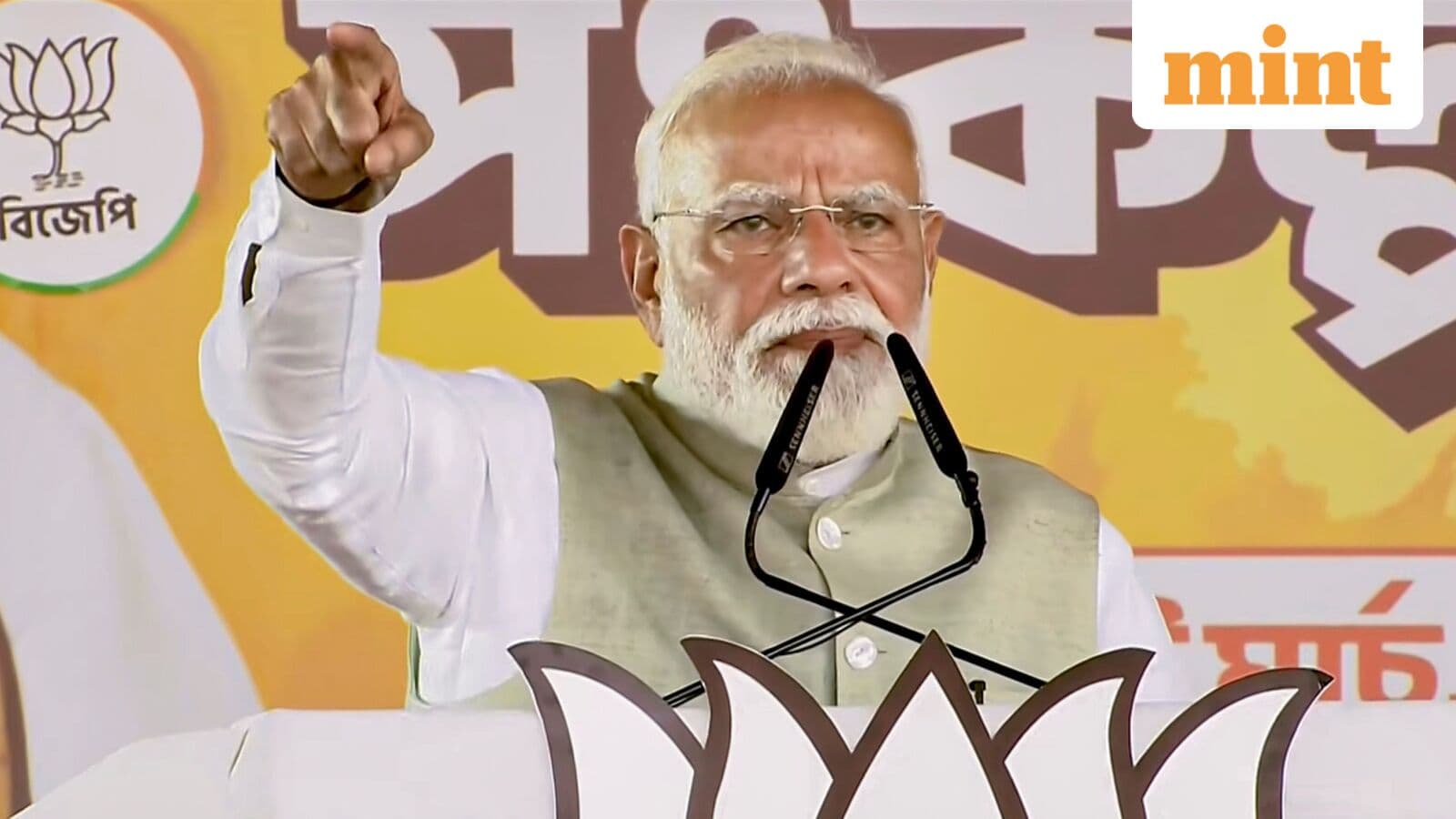
GlipzoAs the conflict involving the U.S. and Israel against Iran stretches into its 18th day, Indian Prime Minister Narendra Modi has taken initiative to engage in crucial dialogues about regional stability. In a recent telephonic conversation with Sheikh Mohamed bin Zayed Al Nahyan, the President of the United Arab Emirates (UAE), Modi addressed the escalating tensions and emphasized the importance of maintaining safe navigation through the Strait of Hormuz.
The Strait of Hormuz is a pivotal maritime corridor, responsible for nearly 20% of the global oil supply. The ongoing military actions have raised alarms among traders, resulting in significant fluctuations in oil prices, which surged to $120 a barrel before stabilizing. This situation has not only impacted energy markets but has also raised concerns about potential disruptions that could escalate further.
During their conversation, Modi and Al Nahyan expressed their mutual commitment to peace and stability in the Middle East. Modi condemned the attacks on the UAE, which have led to loss of life and destruction of infrastructure. His remarks on social media read: "Spoke with my brother HH Sheikh Mohamed bin Zayed Al Nahyan, President of the UAE, and conveyed advance Eid greetings. We discussed the current situation in West Asia. Reiterated India's strong condemnation of all attacks on the UAE that have resulted in loss of innocent lives and damage to civilian infrastructure."
This marks the second engagement between Modi and the UAE President since the conflict escalated in late February, showcasing India's proactive diplomatic stance. Modi has also reached out to leaders from other Gulf nations, including Iran, Israel, Jordan, Saudi Arabia, Bahrain, Oman, and Kuwait, indicating India's strategic interest in regional stability.
The ongoing conflict and subsequent military actions have led to severe repercussions for civilian life in the Gulf region. Major cities, including Dubai, have experienced significant disruptions, prompting countries to close their airspace. This has resulted in chaos within the aviation sector, with thousands of flights canceled and many travelers stranded.
The Indian Ministry of External Affairs (MEA) reported that approximately 244,000 Indian passengers have returned from the region, with Indian airlines continuing to operate amid these challenges. Discussions surrounding the welfare of Indians in the affected areas have been a priority for Modi as he collaborates with regional leaders to ensure their safety and well-being.
In response to the escalating tensions, the global energy markets have also reacted strongly. Companies operating in the region have declared force majeure, a legal term that allows them to avoid fulfilling contracts due to unforeseen circumstances. This has sent ripples through the market, prompting the International Energy Agency (IEA) to intervene. On March 11, the IEA announced a release of 400 million barrels of oil from its emergency stockpile to stabilize the situation and calm traders' fears of a supply crisis.
As the conflict continues, the situation remains fluid, with the potential for further developments. The international community is closely monitoring the events, particularly the implications for energy security and the humanitarian situation in the region.
As the conflict persists, several key factors will be critical to watch in the coming days: - Diplomatic Efforts: Continued dialogues among regional leaders will be essential to de-escalate tensions and restore peace. - Energy Prices: Market reactions will fluctuate based on any new developments in the conflict and international responses. - Humanitarian Impact: The situation for civilians, particularly those stranded or affected by airspace closures, will require ongoing attention and intervention.
In conclusion, Prime Minister Modi's proactive diplomatic measures underscore India's commitment to regional stability as the conflict unfolds. The outcomes of these dialogues could play a significant role in shaping the future of the Gulf region and beyond. The global community, too, remains vigilant, as the ramifications of this conflict extend far beyond the immediate geographical impact.

Tensions soar as the US and Iran engage in air strikes near the Strait of Hormuz, raising concerns over global oil supply and regional stability.
BBC World
Trump's international interventions face serious stalemates. What will this mean for U.S. foreign policy? Explore the critical challenges ahead.
Indian Express
Tehran denies resignation of President Masoud Pezeshkian amid claims of IRGC influence. What does this mean for Iran's political stability? Click to learn more!
Indian Express