

Image: TechCrunch
The Pentagon is abandoning Anthropic AI in favor of developing its own tools, signaling a major shift in military tech strategy. What’s next for defense AI?
GlipzoIn a significant turn of events, the Pentagon is actively working to develop alternatives to Anthropic's AI technology following a contentious split between the two parties. According to a recent conversation with Cameron Stanley, the Pentagon's chief digital and AI officer, the Department of Defense (DoD) is exploring multiple large language models (LLMs) for integration into government operations. "The Department is actively pursuing multiple LLMs into the appropriate government-owned environments," Stanley stated. "Engineering work has begun on these LLMs, and we expect to have them available for operational use very soon."
This decision comes on the heels of a $200 million contract between Anthropic and the DoD that has fallen apart over disagreements concerning the extent of access the military could have to Anthropic’s technology. The breakdown of these negotiations highlights a growing tension between the need for advanced AI capabilities and the ethical considerations surrounding their use.
The crux of the disagreement stemmed from Anthropic's insistence on including a contractual clause that would prevent the Pentagon from utilizing its AI technology for mass surveillance of American citizens or for deploying autonomous weapons systems. The Pentagon, however, was unwilling to accept such restrictions. This impasse ultimately led to Anthropic losing a significant defense contract, which has prompted the military to seek alternative AI solutions.
In a surprising twist, OpenAI stepped in and secured its own agreement with the Pentagon, positioning itself as a key player in the defense AI landscape. Additionally, the Department of Defense has also struck an agreement with Elon Musk's xAI to incorporate its Grok technology into classified systems. These moves indicate a strategic pivot by the Pentagon to diversify its AI capabilities while distancing itself from Anthropic's influence.
The fallout from the Pentagon-Anthropic relationship has been further complicated by the designation of Anthropic as a supply-chain risk. This label, typically reserved for foreign adversaries, restricts companies that contract with the Pentagon from collaborating with Anthropic. Defense Secretary Pete Hegseth has been vocal about this designation, further solidifying the Pentagon's stance against the company.
Currently, Anthropic is contesting this classification in court, arguing that it unfairly limits its ability to operate within the defense sector. This legal battle could have significant implications for both the company and the broader landscape of AI in defense applications.
As the Pentagon forges ahead with its plans to develop new AI technologies, several key factors will shape the future landscape of military AI. First, the military's focus on creating its own LLMs could lead to a more tailored, secure, and ethically sound approach to AI deployment. The push for government-owned AI solutions may also foster increased innovation within the defense sector.
Moreover, as the Pentagon continues to navigate the complexities of AI deployment in military operations, it faces an array of ethical dilemmas and public scrutiny. The balance between leveraging cutting-edge technology and maintaining ethical standards will be critical in the coming years.
Looking ahead, several developments warrant close attention: - Legal Proceedings: Anthropic's ongoing legal battle regarding its supply-chain risk designation could set precedents for how AI companies interact with government contracts in the future. - New AI Implementations: The Pentagon's engineering efforts towards new LLMs could yield groundbreaking technologies that redefine military capabilities and operational efficiency. - Competitive Landscape: Watch for how other AI companies respond to this shift, particularly in light of OpenAI and xAI's agreements with the Pentagon. Competitive dynamics could reshape alliances and partnerships in the defense tech arena.
In summary, the Pentagon's move to replace Anthropic's AI marks a pivotal point in the evolution of military technology. As the DoD seeks to assert greater control and ethical standards in its AI initiatives, the implications of these changes will resonate throughout the defense sector and beyond.

Tensions soar as the US and Iran engage in air strikes near the Strait of Hormuz, raising concerns over global oil supply and regional stability.
BBC World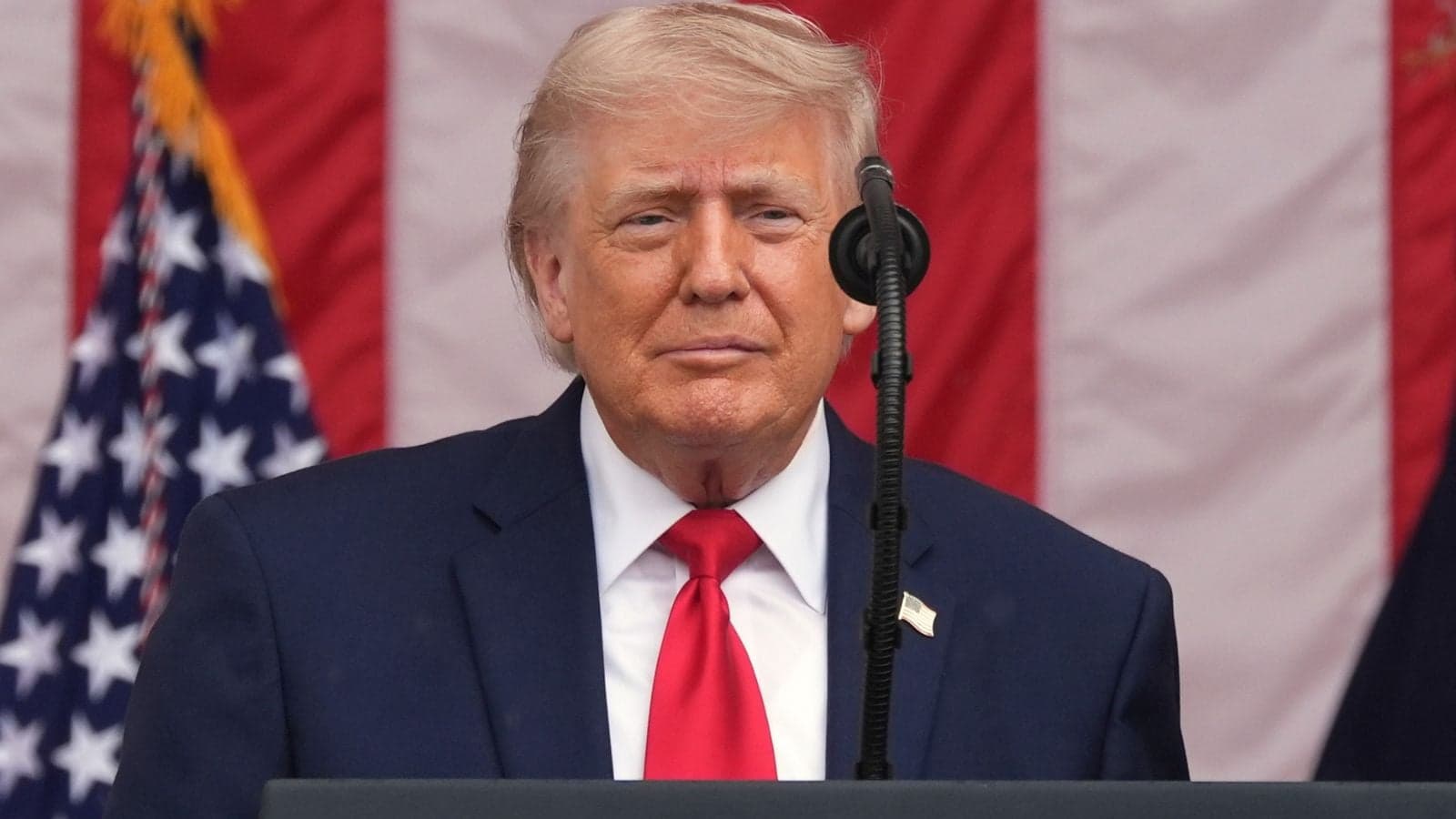
Trump's international interventions face serious stalemates. What will this mean for U.S. foreign policy? Explore the critical challenges ahead.
Indian Express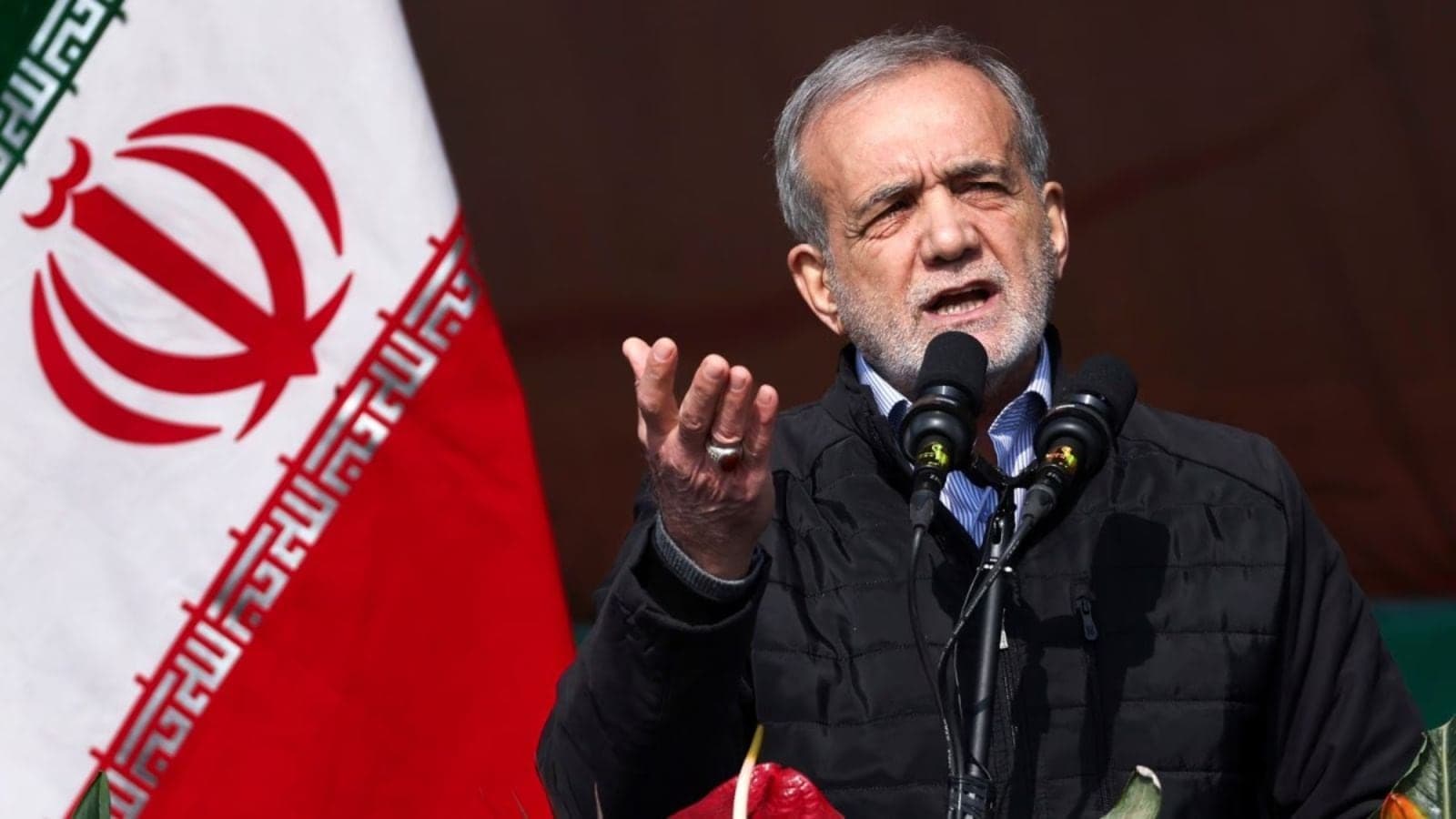
Tehran denies resignation of President Masoud Pezeshkian amid claims of IRGC influence. What does this mean for Iran's political stability? Click to learn more!
Indian Express