
Image: The Hindu
Parliament will meet on March 28-29, 2026, due to holidays. What does this mean for the legislative agenda? Click for insights!
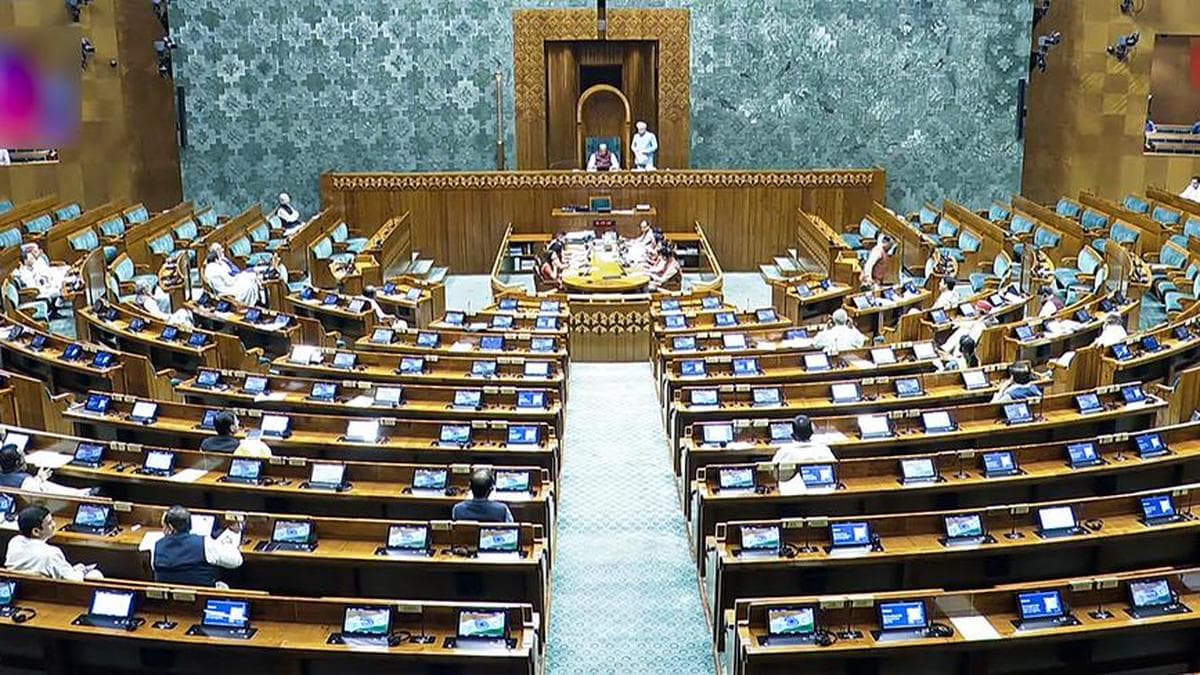
GlipzoIn a surprising announcement, Parliament will convene on the weekend of March 28-29, 2026, in response to the holidays falling on Thursday and Friday (March 19 and 20). This decision was communicated to the Lok Sabha on March 18, as part of the ongoing Budget Session. The Chair confirmed that no proceedings will take place on Thursday, which coincides with the celebration of Ugadi, a significant festival in several Indian states. Eid, another important holiday, is slated for Friday, with the exact date depending on the sighting of the moon.
The adjustments come as Parliament aims to maintain its legislative momentum despite the holiday interruptions. Initially scheduled discussions and questions that were supposed to occur on March 19 and 20 will now be deferred to Monday, March 22. This move underscores the government’s commitment to ensuring that critical legislative discussions are not stalled due to holiday observances.
This isn’t the first time Parliament has opted for weekend sessions. Notably, on February 1, 2026, Parliament met on a Sunday for the presentation of the Union Budget, demonstrating a precedent for conducting vital legislative work outside of the traditional weekday schedule. Such practices highlight the government’s flexibility in navigating its legislative calendar, particularly during crucial budget discussions.
The decision to hold Parliament over the weekend also reflects the ongoing pressures faced by the government to address various pressing issues and legislative agendas efficiently, particularly in light of the budgetary processes that require timely discussion and approval.
During the weekend sessions on March 28 and 29, while Parliament will convene, it has been clarified that no questions will be tabled. This could mean that the House will focus on other legislative activities, discussions, or perhaps review of pending bills. The lack of questioning could streamline these sessions but may also limit the engagement typically expected during such gatherings.
As the budget discussions continue to unfold, these weekend sessions will likely serve as a platform for further deliberations on critical financial matters and policy directions. The government’s ability to navigate these sessions effectively could have a significant impact on its legislative agenda moving forward.
The decision to hold Parliament on the weekend is significant for several reasons:
As we approach the weekend sessions, keen observers should watch for: - Key Discussions: Anticipate discussions surrounding budget allocations and potential policy reforms that could emerge from these sessions. - Government Response: Monitor how the government addresses questions and concerns raised during previous sessions and how it plans to engage with the opposition. - Public Reactions: The public’s response to weekend sessions could influence future scheduling decisions, as transparency and accessibility remain paramount in governance.
In conclusion, the upcoming weekend sessions of Parliament on March 28-29 represent a strategic move to maintain legislative momentum during a critical period. As the government navigates through holidays and potential disruptions, its ability to effectively manage these sessions will play a crucial role in shaping the legislative landscape moving forward. Stay tuned for updates on the developments and discussions that will arise during this unique weekend gathering.

Tensions soar as the US and Iran engage in air strikes near the Strait of Hormuz, raising concerns over global oil supply and regional stability.
BBC World
Trump's international interventions face serious stalemates. What will this mean for U.S. foreign policy? Explore the critical challenges ahead.
Indian Express
Tehran denies resignation of President Masoud Pezeshkian amid claims of IRGC influence. What does this mean for Iran's political stability? Click to learn more!
Indian Express