
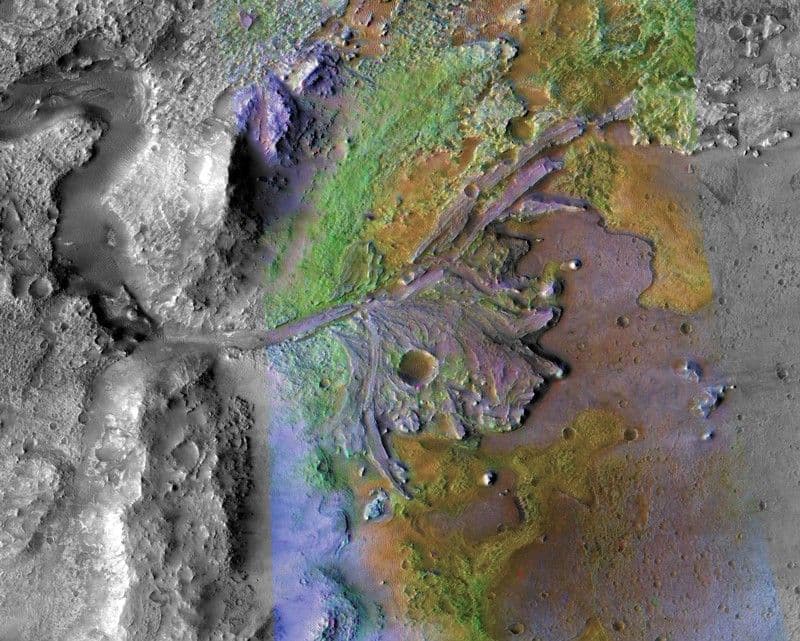
Image: Ars Technica
NASA's Perseverance rover uncovers a buried ancient river delta in Jezero Crater, hinting at Mars' potential to host ancient life. Discover more!
GlipzoNASA's Perseverance rover, which landed in Jezero Crater in 2021, has made a stunning discovery that could reshape our understanding of ancient Martian environments. While the rover's primary mission focused on exploring the remnants of a dried-up lakebed in search of signs of ancient life, it has now identified what appears to be a buried river delta, potentially older than the already fascinating features observed in the crater. This breakthrough was made possible through the rover's innovative ground-penetrating radar known as RIMFAX (Radar Imager for Mars Subsurface Experiment).
RIMFAX operates by sending radar waves into the Martian surface, enabling scientists to create detailed images of subsurface structures. Each time Perseverance moves about 10 centimeters, the radar captures data that reflects off various geological materials like rock, ice, and sediment. The way these signals bounce back helps researchers chart a vertical profile of the Martian crust, similar to how a sonogram provides images of internal body structures.
The rover's extensive data collection campaign, which ran from September 2023 to February 2024 (encompassing over 250 Martian sols), took place in an area called the Margin unit. This geological zone, located between the western fan deposits and the crater rim, is rich in magnesium carbonates, a crucial factor in selecting Jezero Crater as the landing site for Perseverance. On Earth, carbonates are known for their ability to preserve the chemical fingerprints of ancient life forms, akin to the Cliffs of Dover, which are renowned for their fossil content.
Emily L. Cardarelli, an astrobiologist from the University of California Los Angeles, led the research team analyzing the RIMFAX data. She expressed optimism about the potential for finding biosignatures at significant depths: “I think it’s a promising place to look for signs of biosignatures at depth. Microbial life could have potentially developed in those types of environments.”
The analysis revealed that the Margin unit's geological structure was notably transparent to radar waves, allowing them to penetrate deeper than in any other previously examined site within Jezero Crater. The radar was able to explore depths surpassing 35 meters, approximately 1.75 times deeper than the measurements taken on the crater floor and the overlying Delta deposits. Overall, scientists estimate the thickness of the Margin unit to be around 85 to 90 meters.
The RIMFAX data not only provided unprecedented depth measurements but also unveiled intricate geological structures beneath the surface. Researchers identified clear signs of layering typical of river deltas on Earth, presenting a narrative of ancient water flow, sediment deposition, and fluctuating water levels.
The radar imagery indicated a high degree of complexity in the subsurface, with features ranging from tens of centimeters to hundreds of meters wide. Cardarelli noted, “We saw really high complexity in the subsurface.”
The radar readouts displayed parallel layers inclined towards the center of the Jezero basin at angles between three to 15 degrees. This layering is indicative of what geologists refer to as clinoforms, sedimentary structures formed as a river deposits material while flowing into a body of water.
Understanding how these delta structures form provides crucial insight into the planet’s geological past. When a swift river laden with sand and gravel meets the calm, deep waters of a lake, it rapidly loses its energy, causing it to drop sediments. Heavier particles settle first, creating flat layers known as topsets, while the ongoing deposition eventually leads to the formation of angled layers called foresets at the edge of existing sediments. At the lake’s bottom, finer sediments disperse into horizontal layers termed bottomsets.
The findings from Perseverance's RIMFAX are monumental; they hint at a complex and dynamic Martian past that may have supported life. This data paves the way for future exploration and analysis, providing a roadmap for what scientists expect to learn next.
As Perseverance continues its mission, the implications of this discovery will undoubtedly fuel future research. The potential existence of an ancient river delta raises the question: could Jezero Crater have once harbored life? The presence of biosignatures within these ancient formations could revolutionize our understanding of life beyond Earth.
The discovery of this ancient delta is significant for several reasons:
As exploration continues, scientists will remain vigilant for further discoveries beneath the Martian surface, hoping to unlock the secrets of our neighboring planet’s history and its potential for life.

Discover how the brain protein Menin could be the key to halting cognitive decline with new research that uncovers its vital role in aging.
Indian Express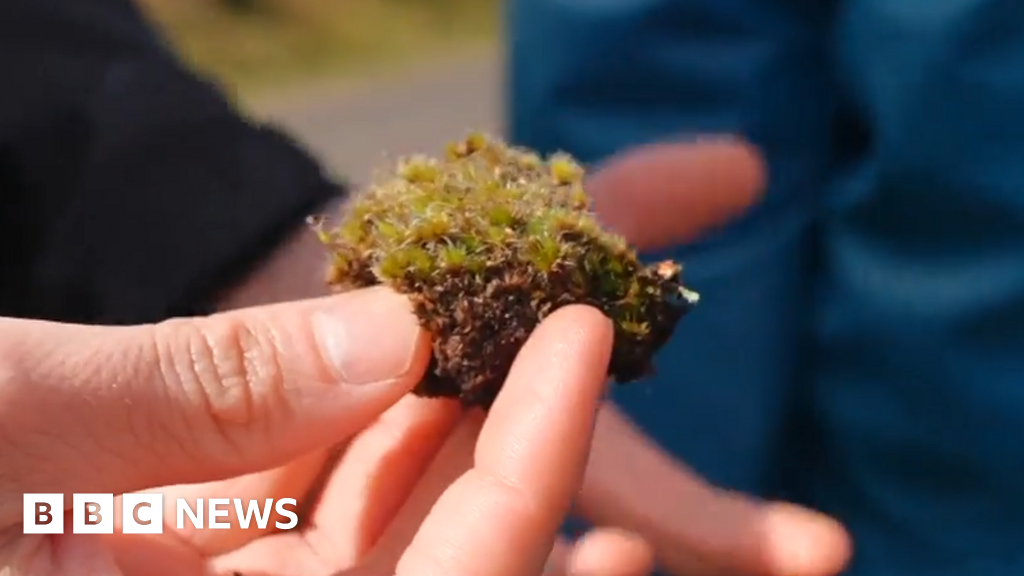
A new 'killer fungus' discovered in the UK targets invasive heath-star moss, offering hope for restoring native habitats. Will it turn the tide against invasives?
BBC Science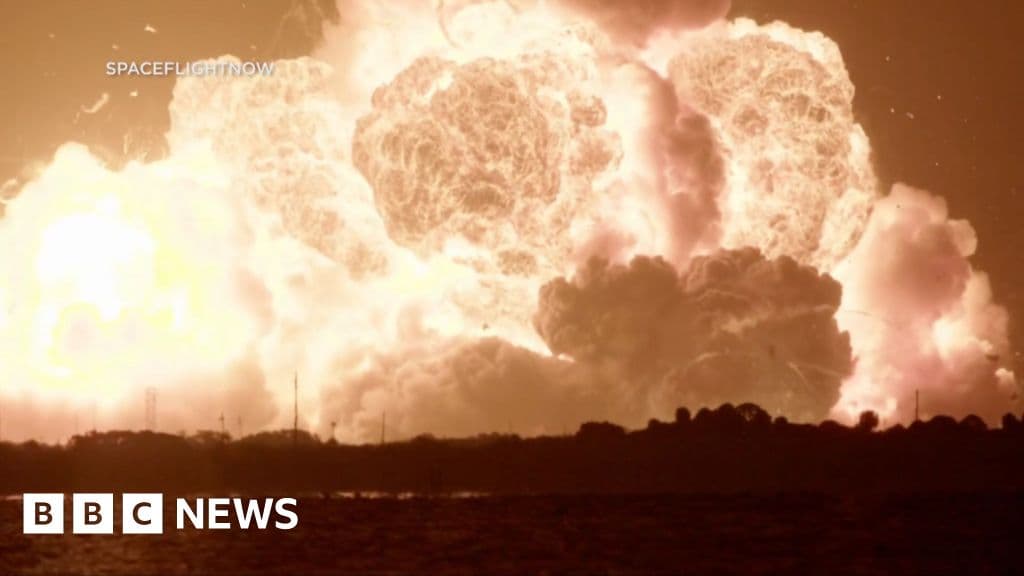
A Blue Origin rocket exploded during a test in Florida, prompting investigations. All personnel are safe. What does this mean for the future of space travel?
BBC Business