
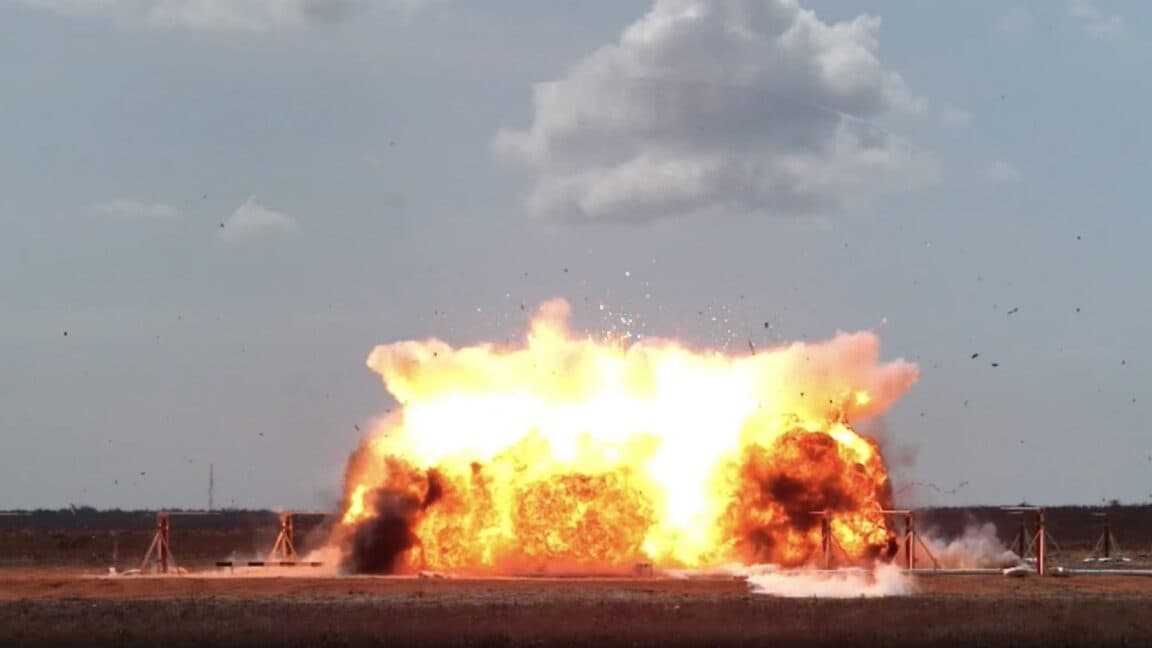
Image: Ars Technica
NASA conducts explosive tests on methalox rockets to enhance safety measures as launches become more frequent. Discover the implications for future space travel.
GlipzoNASA is taking bold steps to ensure the safety of future rocket launches by conducting explosive tests on methalox engines. These tests aim to analyze the potential hazards associated with methane and liquid oxygen (methalox) rocket propulsion systems. As the landscape of space travel evolves with increasing frequency of launches, understanding the implications of rocket explosions is more critical than ever.
For over six decades, the aerospace industry has relied heavily on a specific mix of liquid and solid propellants. Traditional fuels like refined kerosene, hydrazine, and hydrogen have dominated the field due to their unique advantages, such as stability and efficiency. However, the last fifteen years have seen a surge in the development of methane-fueled engines, with companies like SpaceX and Blue Origin leading the charge. Their engines, the Raptor and BE-4, are now capable of producing over half a million pounds of thrust each.
Methalox engines offer several key benefits compared to their traditional counterparts. Burning methane in conjunction with liquid oxygen results in a cleaner burn, generating significantly less sooty residue than kerosene—which is utilized in SpaceX's Falcon 9. This characteristic makes methane a more suitable choice for reusable rocket systems. Moreover, methane's handling properties surpass those of liquid hydrogen, which not only requires extreme cold storage at around minus 423 degrees Fahrenheit but is also prone to dangerous leaks.
The temperature range for liquid methane is considerably more manageable, sitting between minus 260 and minus 297 degrees Fahrenheit. This makes it easier to work with during rocket operations.
In 2023, a Chinese rocket marked a historic milestone by becoming the first methane-fueled launcher to reach orbit. In the United States, several companies, including Rocket Lab, Stoke Space, and Relativity Space, are actively developing methalox engines for their upcoming launch vehicles.
Despite these advantages, the reality of rocket science remains that explosions can and do happen. Both the U.S. Space Force and NASA, tasked with ensuring safety across federal spaceports, are keen to explore how the risks associated with methalox rocket explosions differ from traditional rockets. As launch operations become more routine, with plans for multiple daily flights from launch pads sometimes just 1 or 2 miles apart, assessing these dangers is paramount.
Col. Brian Chatman, commander of the Eastern Range at Cape Canaveral Space Force Station, emphasized the need for precise analysis: "We just don’t have the analysis on those to be able to say, ‘Hey, from a testing perspective, how small can we reduce the BDA and be safe?'"
To facilitate the development of these next-generation rockets, launch pads specifically designed for methalox rockets are either operational or currently under construction at various sites, including: - Kennedy Space Center and Cape Canaveral Space Force Station in Florida - Vandenberg Space Force Base in California - NASA’s Wallops Flight Facility in Virginia
Additionally, SpaceX is conducting test flights of its Starship rocket from private property in South Texas, with public safety regulations overseen by the Federal Aviation Administration.
As safety protocols dictate, officials require the evacuation of areas surrounding each launch pad during fueling processes. Companies are raising concerns that operations from SpaceX, which boasts the largest methalox rockets, could potentially disrupt their activities on nearby launch pads. To address these challenges, explosive yield tests are being conducted to better define hazard zones for methalox rocket launches.
The methodology behind NASA's explosive tests is straightforward yet innovative. As described by Jason Hopper, deputy manager for the methalox assessment project at NASA’s Stennis Space Center, the process involves: - Filling a rocket with fuel - Initiating a controlled explosion in a remote test location - Measuring the extent of the blast
NASA elaborated that for many tests, the barrier between the two propellants is deliberately ruptured to simulate catastrophic failure. Instruments placed throughout the test area measure the intensity of the resulting blast wave at specific distances, while high-speed cameras capture the debris's trajectory and the explosion's thermal effects.
With the rapid advancements in rocket technology and the increasing frequency of launches, understanding the safety implications of new propulsion systems like methalox is crucial. As more companies enter the space race, the need for robust safety measures becomes even more pressing.
The findings from these explosive tests will not only aid in establishing safer launch protocols but will also contribute significantly to the design and engineering of future rockets. As the industry continues to innovate, the implications of these studies could lead to a new era of safer and more efficient space travel.
As NASA and the Space Force continue their research, the insights gained from these explosive tests will shape the future of space launches. Stakeholders should keep an eye on how these studies will influence regulations, operational guidelines, and the general landscape of commercial space travel. The goal is clear: a safer, more reliable approach to exploring the final frontier.

Discover how the brain protein Menin could be the key to halting cognitive decline with new research that uncovers its vital role in aging.
Indian Express
A new 'killer fungus' discovered in the UK targets invasive heath-star moss, offering hope for restoring native habitats. Will it turn the tide against invasives?
BBC Science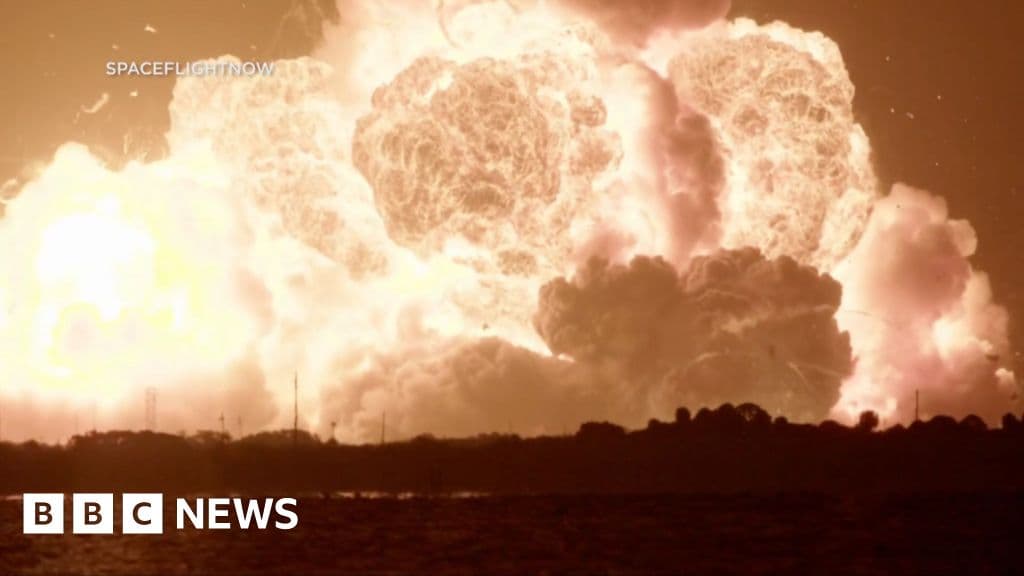
A Blue Origin rocket exploded during a test in Florida, prompting investigations. All personnel are safe. What does this mean for the future of space travel?
BBC Business