
Image: BBC World
NASA's Artemis II rocket rolls to launch pad for potential April mission, marking a historic return to crewed lunar exploration after 50 years.
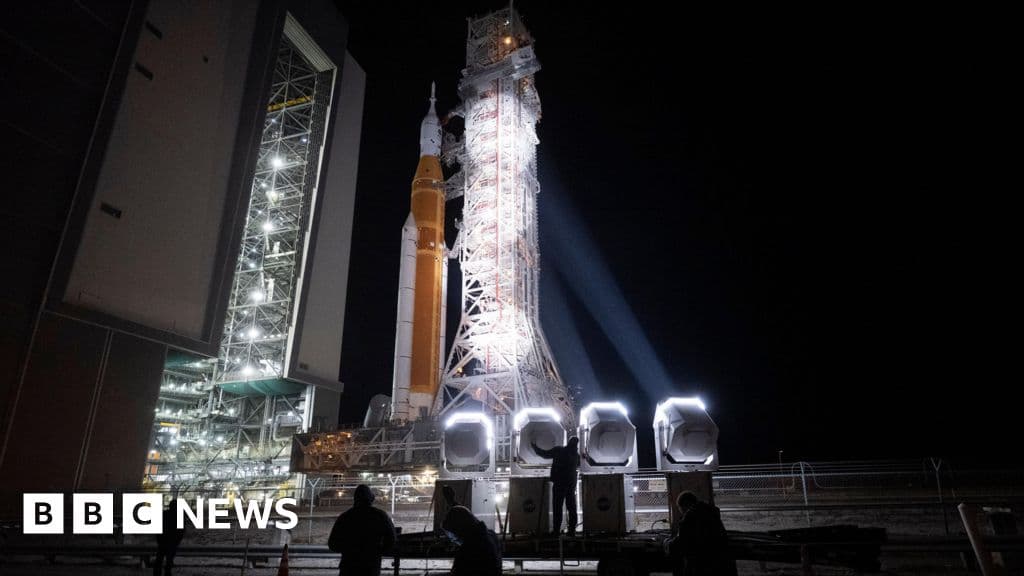
GlipzoNASA is making headlines as it prepares to launch its ambitious Artemis II mission, marking the first crewed journey around the Moon in over 50 years. On a remarkable journey of four miles, the towering Space Launch System (SLS) and its companion, the Orion spacecraft, have been rolled out to Pad 39B at the Kennedy Space Center in Florida, setting the stage for a potential launch in early April.
This significant movement comes after engineers resolved a critical issue with the rocket's helium system, which had previously forced NASA to pause a launch attempt back in March. After thorough inspections and repairs within the Vehicle Assembly Building (VAB), the team is optimistic about conducting final tests at the launch pad to confirm the rocket's readiness.
As night fell, the SLS emerged from the VAB, one of the largest buildings globally, and began its slow trek towards the launch pad. Standing at an impressive 98 meters, the rocket is taller than Big Ben and, alongside its launch platform, weighs approximately 5,000 tonnes. This massive vehicle is being transported by the Crawler-Transporter-2, a robust, tank-like machine built in 1965 to move Saturn V Moon rockets.
The methodical pace is deliberate, akin to transporting a priceless artifact. This cautious approach helps protect the multi-billion-dollar vehicle from any potential damages during its journey, allowing engineers the best opportunity to spot any issues.
Upon arrival at the launch pad, engineers will conduct an exhaustive series of checks to ensure that all repairs undertaken in the VAB have succeeded, and that the rocket remains intact after its slow journey. Key tasks include: - Reconnecting the launch tower to the vehicle - Performing pressure tests on the helium system - Rehearsing countdown procedures without fueling the rocket
These tests are essential before NASA's management team convenes a few days prior to the earliest possible launch opportunity on April 1. They will analyze the data collected from the tests to determine whether to proceed with the launch.
The Artemis II mission will not just be a technical feat but also a historic crewed adventure. The astronauts selected for this mission include Reid Wiseman, Victor Glover, Christina Koch, and Jeremy Hansen. They have entered a pre-flight quarantine, ensuring they remain healthy leading up to the launch. Closer to the launch date, they will participate in several rehearsals, including donning their spacesuits and making the journey to the launch pad.
The mission is designed to last ten days, taking the crew on a loop around the far side of the Moon before they return to Earth. This not only tests human capabilities in deep space but also lays the groundwork for future explorations.
This journey marks the second time NASA has moved the Artemis II rocket to the launch pad. The first attempt in March had to be aborted when issues arose with the helium flow to the upper stage during a fueling test. Helium plays a crucial role in pressurizing propellant tanks, and any malfunction could jeopardize engine performance and safe fuel management.
Rather than risk proceeding with a compromised system, NASA’s management made the prudent choice to roll the rocket back to the VAB. This allowed engineers to access the affected areas thoroughly, enabling them to replace faulty components, swap batteries in critical systems, and verify that the issues had been resolved.
Looking forward, if the upcoming tests at the launch pad go smoothly, Artemis II will not only be a landmark for NASA but also a stepping stone for the next crewed mission, Artemis III, which aims to achieve even more ambitious objectives, including lunar landings.
The Artemis program signifies a new era in space exploration, aiming to establish a sustainable human presence on the Moon and prepare for future missions to Mars. As anticipation builds, all eyes will be on Kennedy Space Center as NASA gears up for what could be a transformative moment in space history.
The countdown to April is on, and the world is eager to witness the next chapter of lunar exploration unfold with Artemis II. Will NASA conquer the challenges ahead and pave the way for future interplanetary missions? Stay tuned as history is made once again in the realm of space exploration.

Discover how the brain protein Menin could be the key to halting cognitive decline with new research that uncovers its vital role in aging.
Indian Express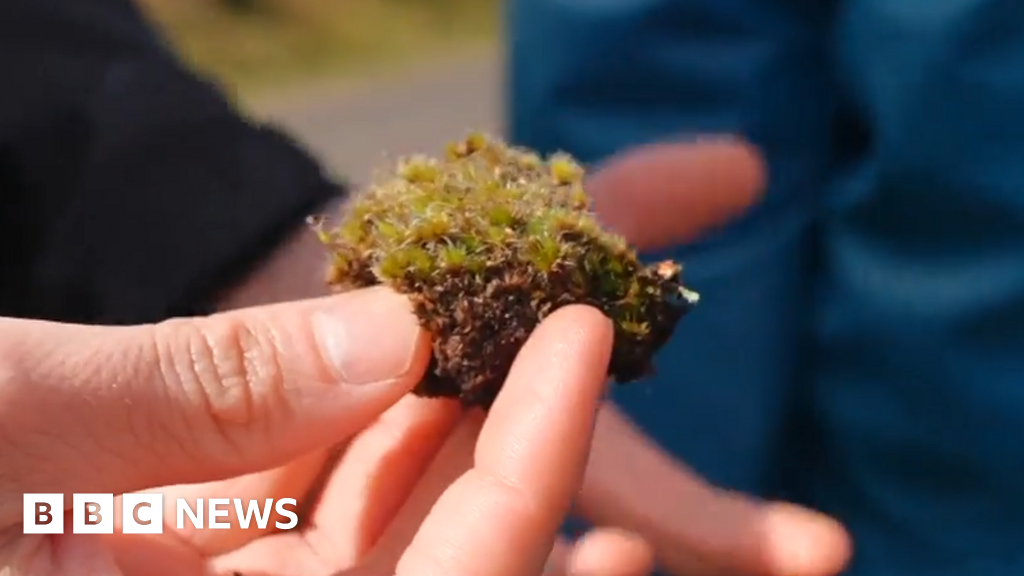
A new 'killer fungus' discovered in the UK targets invasive heath-star moss, offering hope for restoring native habitats. Will it turn the tide against invasives?
BBC Science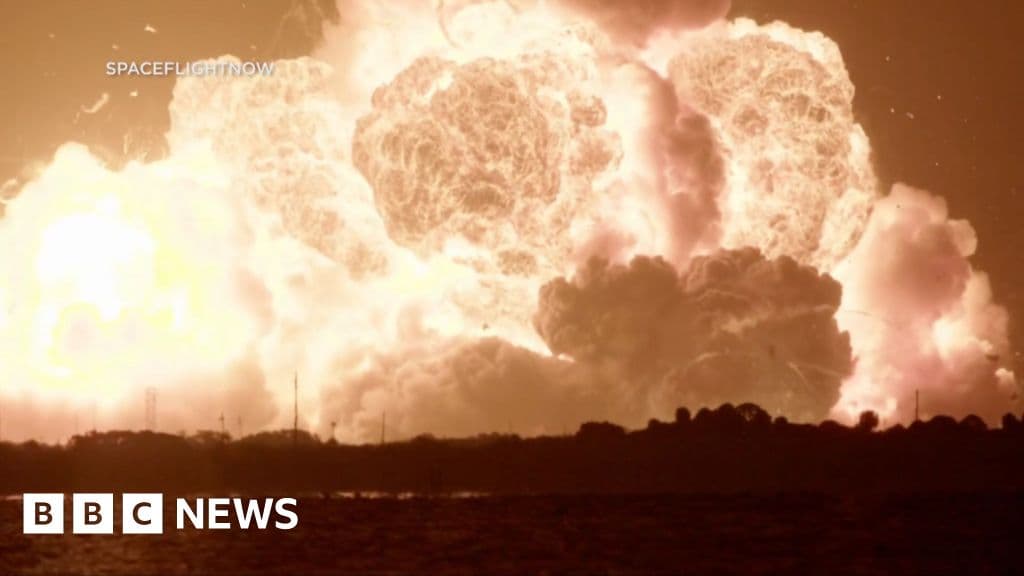
A Blue Origin rocket exploded during a test in Florida, prompting investigations. All personnel are safe. What does this mean for the future of space travel?
BBC Business