
Image: BBC Science
Explore the dramatic technical challenges NASA faced before Artemis II's launch and what lies ahead for the crew in their historic moon mission.
GlipzoIn the final hours leading up to NASA's Artemis II mission, a series of unexpected technical glitches almost derailed the historic flight. The crew encountered a troublesome toilet and complications involving dual safety systems just before their launch. Fortunately, NASA's skilled team quickly addressed these challenges, showcasing their ability to think on their feet.
As the crew prepared to embark on their journey around the Earth and towards the Moon, they faced a unique set of challenges. Among these was a malfunction in the waste-management system on board the spacecraft. According to reports from flight controllers, sensors within the system triggered unexpected readings, putting the mission at risk. Astronaut Christina Koch stepped up to the plate, effectively acting as a plumber under the guidance of mission control.
In a reassuring communication, mission control announced, "Happy to report that toilet is go for use. We do recommend letting the system get to operating speed before donating fluid." This humorous yet critical moment highlights the reality of space travel, where even seemingly trivial issues can escalate into significant problems.
NASA has invested over $23 million (£17.4 million) in developing the Universal Waste Management System to address these plumbing challenges. Designed for both men and women, this advanced system incorporates a funnel and hose to manage urine while employing gentle airflow to prevent spills. For solid waste, astronauts utilize a specialized seat that ensures safe disposal, along with tethers and restraints to keep them grounded amidst zero gravity.
In addition to the toilet troubles, NASA confronted issues with two vital safety systems: the flight termination system and the launch abort system. The flight termination system is crucial for ensuring the safety of both the astronauts and the public by allowing engineers to destroy the rocket if it deviates from its intended path. A communication glitch within this system was resolved by utilizing hardware from the previous Space Shuttle program, ensuring that the mission could proceed safely.
The launch abort system, designed to swiftly pull the crew capsule away from the rocket during emergencies, showed a higher-than-anticipated temperature reading. However, engineers determined that this irregularity would not impact the launch timeline.
Following the resolution of these issues, the countdown clock was paused at ten minutes while engineers meticulously reviewed every critical system of the rocket. Each engineer's affirmative response—"Booster, go," "GNC, go," "Range, go"—brought a sense of relief and heightened anticipation among the team.
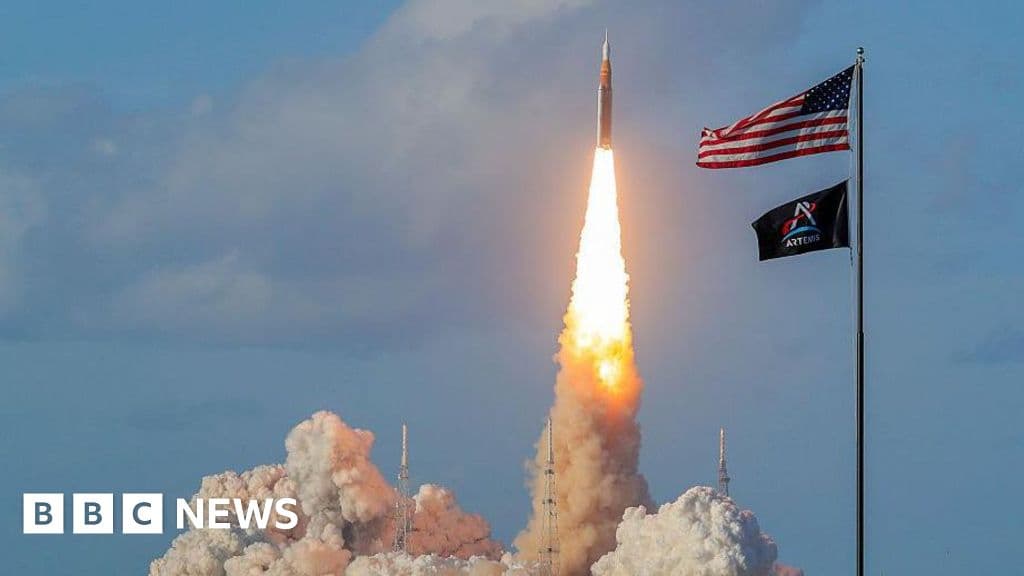
As the final moments approached, the tension in the control room reached its peak. The crew received the green light for launch from the Launch Director, who stated, "Artemis II, this is Launch Director – you are go for launch." Commander Reid Wiseman responded with a resonant, "We go for all humanity," encapsulating the mission's significance.
The launch itself was a breathtaking spectacle, witnessed by thousands at the Kennedy Space Center and millions worldwide. With the rocket successfully lifted off into the sky, the crew embarked on the next phase of their mission, now safely in Earth's orbit.
With the initial hurdles behind them, the crew of Artemis II is now engaged in a series of critical tests designed to assess the spacecraft's readiness for its ambitious journey. They are conducting numerous checks, cycling computers through various modes, switching radios between different ground stations, and moving throughout the cabin to evaluate how the life-support systems respond to increasing levels of carbon dioxide and humidity.
Engineers are also executing small thruster firings, monitoring the European-built service module's performance to ensure it aligns with predictive models. These rigorous tests aim to answer a fundamental question: is the spacecraft capable of safely traveling hundreds of thousands of kilometers from Earth without the possibility of a quick return?
Should any of the tests yield unexpected results, NASA has assured that they will not hesitate to abort the trans-lunar injection burn and use Orion's engines to bring the astronauts back to Earth. The safety of the crew remains paramount, demonstrating NASA's commitment to ensuring the mission’s success and the crew's well-being.
The Artemis II mission represents a crucial step in humanity's journey back to the Moon, and potentially beyond. As the crew continues their tests and prepares for future maneuvers, the world watches closely. The successful resolution of technical issues before and during the launch serves as a testament to NASA's problem-solving capabilities and the importance of rigorous testing in space exploration.
In the coming weeks, attention will shift to the upcoming maneuvers that will take the crew further into space. Observers will be keen to see how the spacecraft performs in conditions that simulate a lunar journey, as well as any new challenges that may arise. The Artemis II mission is not just a landmark moment for NASA; it is a pivotal chapter in the story of human space exploration.
As we look toward the future, the excitement surrounding Artemis II and its implications for future missions to the Moon and Mars continues to grow. This mission is a crucial part of humanity's broader ambition to explore and understand our solar system more deeply than ever before.

Discover how the brain protein Menin could be the key to halting cognitive decline with new research that uncovers its vital role in aging.
Indian Express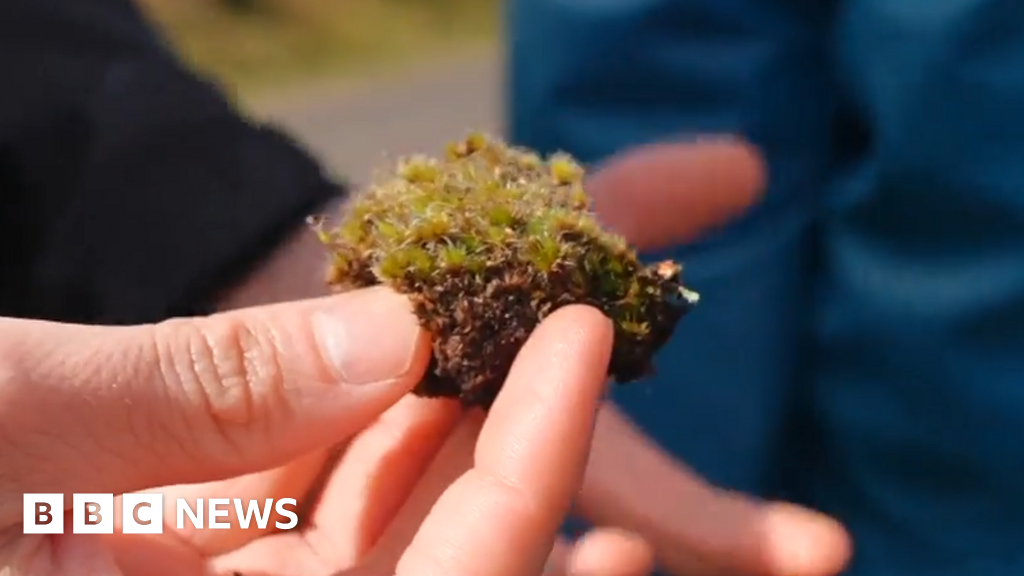
A new 'killer fungus' discovered in the UK targets invasive heath-star moss, offering hope for restoring native habitats. Will it turn the tide against invasives?
BBC Science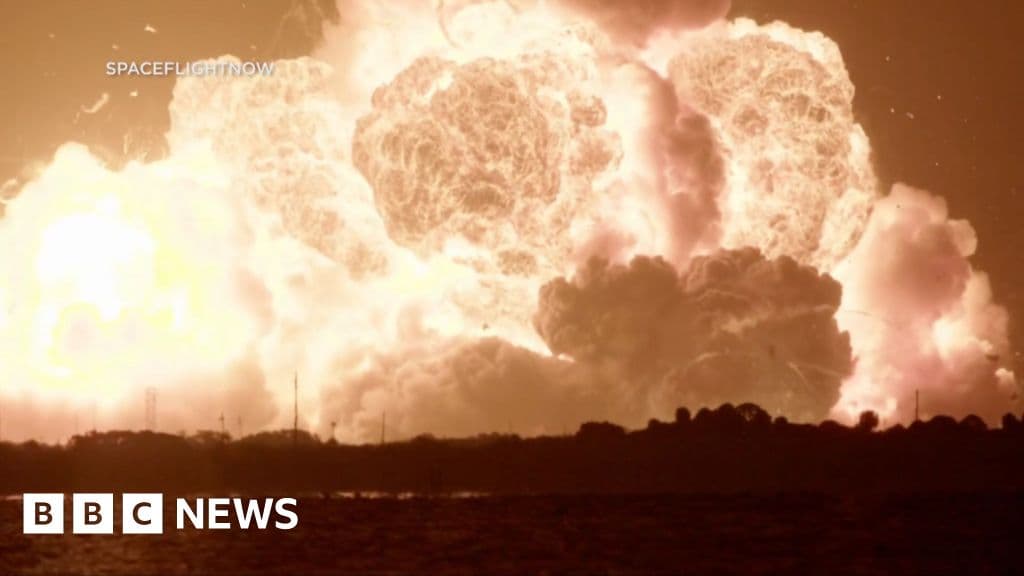
A Blue Origin rocket exploded during a test in Florida, prompting investigations. All personnel are safe. What does this mean for the future of space travel?
BBC Business