

Image: Ars Technica
NASA officials reveal the risks of the Artemis II mission. What challenges lie ahead for the first crewed lunar mission in over 50 years? Click to find out!
GlipzoIn a recent press conference, NASA officials were faced with pointed questions regarding the risks associated with the upcoming Artemis II Moon mission, set to launch no earlier than April 1, 2024. As the first crewed mission to approach the Moon since 1972, the stakes are tremendously high, and so is the public's desire for transparency. However, during the event at Kennedy Space Center, officials notably sidestepped in-depth discussions about the mission's potential hazards.
Given the nature of space exploration, where lives hang in the balance, it is crucial for NASA to set realistic expectations not only for the astronauts who will undertake this journey but also for the agency's personnel, policymakers, and the taxpayers funding this ambitious project. Artemis II aims to travel beyond the International Space Station, venturing over 1,000 times farther from Earth, and will push the limits of human spaceflight in ways that haven't been attempted in over 50 years.
The complexity of Artemis II is enormous. The mission will last nine days, launching from Florida and splashing down in the Pacific Ocean. The crew of four will utilize the Space Launch System (SLS) and the Orion spacecraft, both of which have only flown together once during the uncrewed Artemis I demonstration mission in 2022. This limited testing creates a unique challenge for NASA officials when quantifying risk.
Lori Glaze, NASA's acting associate administrator for exploration system development, addressed the media, emphasizing that while an assessment for Artemis II has indeed been conducted, the results may not significantly reflect the risks involved. "I think sometimes we get tricked into believing that those numbers are somehow really telling us something critically important," Glaze stated. Instead, she suggested that these figures should be considered in a relative context to measure risk levels.
During the press conference, Glaze and her team discussed the outcomes of a two-day Flight Readiness Review (FRR). This meeting was described as a platform for an open dialogue about NASA's risk management strategies leading up to the Artemis II mission. The team unanimously agreed to proceed with the final preparations despite the inherent risks of such an unprecedented mission.
The four astronauts training for Artemis II participated in the FRR from Houston, where they focused on critical aspects such as the Orion spacecraft’s heat shield and its reentry trajectories. Their insights underscored the importance of ensuring that the entry interface is precise, which is vital for a safe return to Earth. Glaze noted, "Understanding communication challenges and making sure that they’ll be able to maintain communication with Earth is one of the key areas we are addressing."
Originally scheduled for early February, the Artemis II launch faced setbacks due to technical issues, including a leaky hydrogen seal in the SLS rocket's fueling line. Additionally, complications arose while loading helium into the rocket's upper stage, necessitating repairs that required the rocket to return to the hangar. As preparations continue, the SLS is expected to return to the launch pad next week.
NASA officials have opted to avoid additional tests on the rocket, indicating confidence in its readiness for the mission. This decision reflects both the urgency of the mission timeline and the necessity of adhering to safety protocols, despite the challenges encountered.
The Artemis II mission represents a monumental step in human space exploration. As the first crewed mission to pass near the Moon in over five decades, it is not just a test of technology but also a critical moment for NASA’s long-term goals. The Artemis program aims to establish a sustainable human presence on the Moon, which could pave the way for future missions to Mars.
The cautious approach taken by NASA officials during the press conference highlights the balance between transparency and the complexities of communicating risk in high-stakes endeavors. As the launch date approaches, all eyes will remain on NASA to see how they manage these challenges and ensure the safety of their crew.
As we look forward to the Artemis II mission, several key factors will be critical for success: - Continued Technical Readiness: Monitoring the SLS and Orion's performance as they return to the launch pad for final preparations. - Public Communications: Maintaining clear and transparent communication with the public and stakeholders regarding risks and developments. - Crew Training: Ensuring astronauts are fully prepared for potential challenges during their mission. - Future Artemis Missions: Observing how the outcomes of Artemis II shape subsequent missions, particularly those focused on longer-term lunar habitation and exploration.
In conclusion, while the Artemis II mission is fraught with risks, NASA's commitment to safety and transparency remains paramount as they prepare for this historic journey into the lunar frontier.

Discover how the brain protein Menin could be the key to halting cognitive decline with new research that uncovers its vital role in aging.
Indian Express
A new 'killer fungus' discovered in the UK targets invasive heath-star moss, offering hope for restoring native habitats. Will it turn the tide against invasives?
BBC Science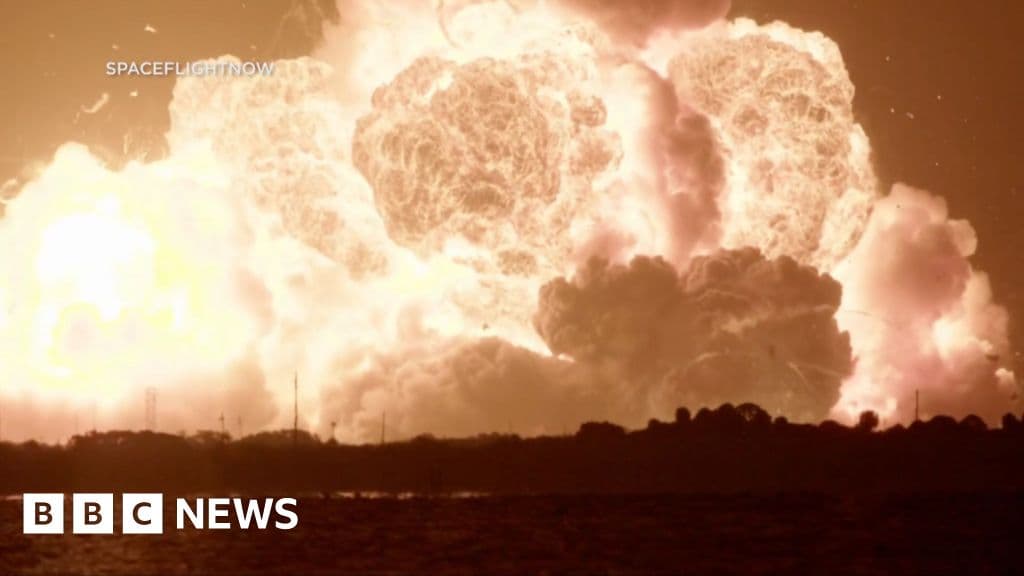
A Blue Origin rocket exploded during a test in Florida, prompting investigations. All personnel are safe. What does this mean for the future of space travel?
BBC Business