
Image: Science Daily
A new study uncovers alarming gaps in insect and arachnid conservation, urging immediate action to protect these vital species for ecosystem health.
GlipzoMany people experience fear or disgust when encountering spiders, scorpions, and other arachnids. However, these creatures, which are part of the arachnid class, are vital to healthy ecosystems. As biodiversity faces a critical decline, including what experts label the "insect apocalypse," researchers from the University of Massachusetts Amherst have made alarming discoveries regarding the status of insects and arachnids in the United States. Their recent study reveals a significant lack of data on these important species, emphasizing the urgent need for conservation efforts.
In a world where many people are drawn to larger, more charismatic animals, the role of insects and arachnids often goes unnoticed. Laura Figueroa, an assistant professor of environmental conservation at UMass Amherst, who led the study, states, "Insects and arachnids are fundamental for human society." She highlights their contributions to pollination, pest control, and as indicators of air and water quality. For instance, characters like Aragog from the Harry Potter series remind us that these creatures have deep cultural significance, yet most do not receive the conservation attention they deserve.
Figueroa and her graduate student, Wes Walsh, who is the lead author of the research paper, conducted an extensive analysis of 99,312 known insect and arachnid species in North America, excluding Mexico. The results were shocking: nearly 90%—specifically 88.5%—of these species lack any form of conservation status. This means that we have little understanding of their current population status or conservation needs.
The existing data is uneven, with much of it focused on aquatic insects known for monitoring water quality, such as mayflies, stoneflies, and caddisflies. More visually appealing groups like butterflies and dragonflies receive disproportionate conservation support, leaving arachnids and many lesser-known insects without protection. Walsh notes, “Arachnids are particularly neglected; most states don’t protect a single species. We need more data and protection for insects, but also arachnids.”
The researchers also discovered varying levels of protection for insects and arachnids across different states. States engaged heavily in extractive industries—such as mining, quarrying, and oil extraction—tend to offer minimal protections. Conversely, states with environmentally conscious public attitudes are more likely to enact measures to safeguard these species.
This disparity underscores the influence of regional policies and public perception on conservation. The study calls for a reevaluation of how we approach the protection of these often-misunderstood creatures, emphasizing that conservation efforts must be comprehensive and inclusive.
Figueroa cites the bird conservation movement as a model for success, illustrating how collaboration among diverse groups leads to impactful conservation outcomes. “The research shows that you get the best conservation efforts when broad, diverse coalitions come together,” she explains. The coalition of hunters, birdwatchers, and nonprofit organizations has been instrumental in protecting and recovering bird populations, suggesting a similar approach could be beneficial for insects and arachnids.
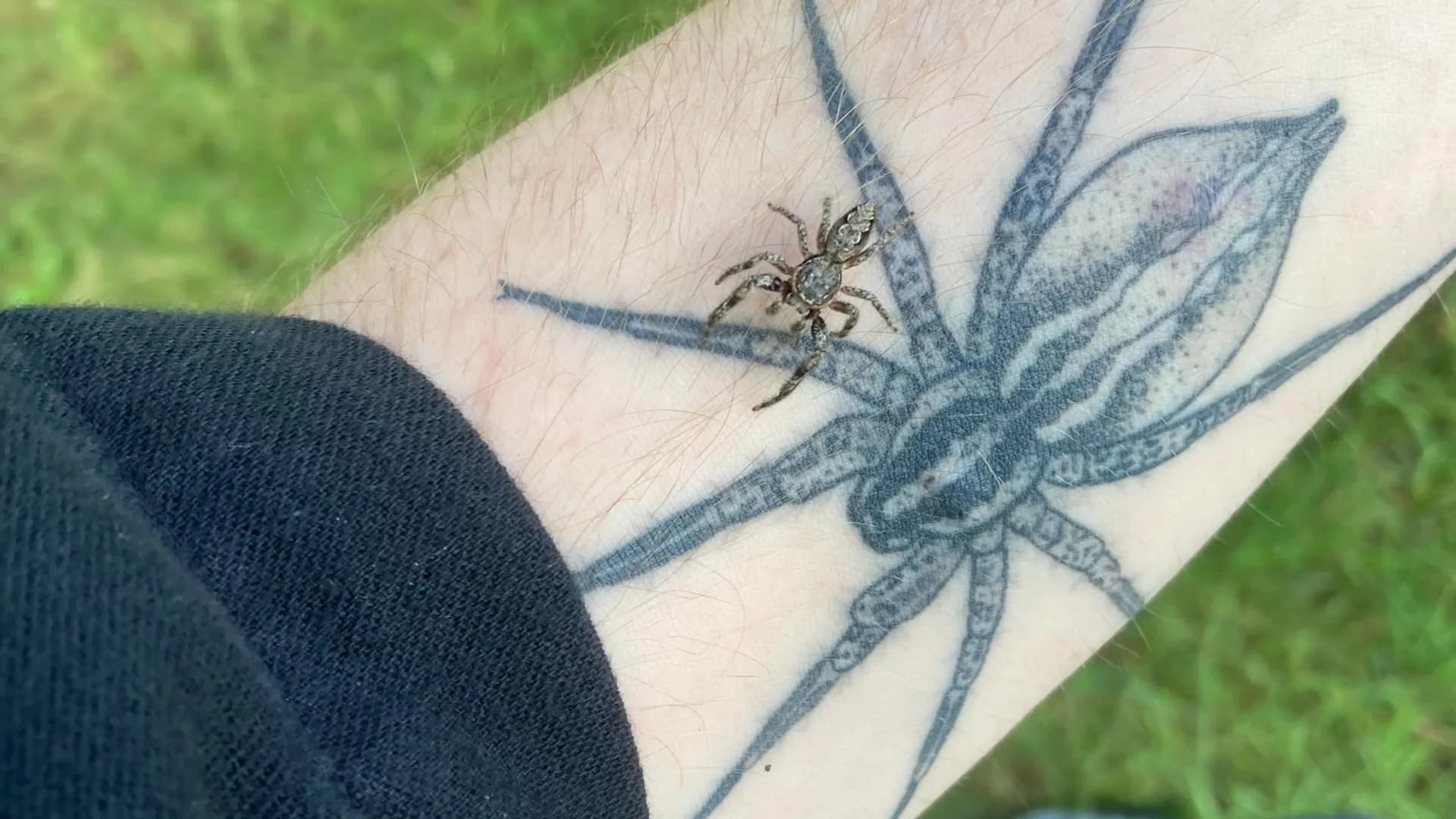
Walsh, who has a spider tattoo on his arm, passionately argues for a shift in how we view these creatures. “Insects and arachnids are more than objects of fear,” he states. Their ecological roles are crucial, and recognizing their importance is the first step towards conservation. The need for better data collection and public awareness is paramount in this endeavor.
As the findings of this study circulate among conservationists and policymakers, the hope is that it will spark a renewed interest in protecting insects and arachnids. The data gaps identified represent not only a challenge but also an opportunity for further research and advocacy. Increased awareness and action can help shift perceptions and motivate conservation efforts for these critical species.
As biodiversity continues to decline globally, the urgency for comprehensive conservation strategies for insects and arachnids cannot be overstated. The future of our ecosystems may well depend on the actions we take today to protect these vital creatures.
Materials provided by University of Massachusetts Amherst. Note: Content may be edited for style and length.

Discover how the brain protein Menin could be the key to halting cognitive decline with new research that uncovers its vital role in aging.
Indian Express
A new 'killer fungus' discovered in the UK targets invasive heath-star moss, offering hope for restoring native habitats. Will it turn the tide against invasives?
BBC Science
A Blue Origin rocket exploded during a test in Florida, prompting investigations. All personnel are safe. What does this mean for the future of space travel?
BBC Business