
Image: The Hindu
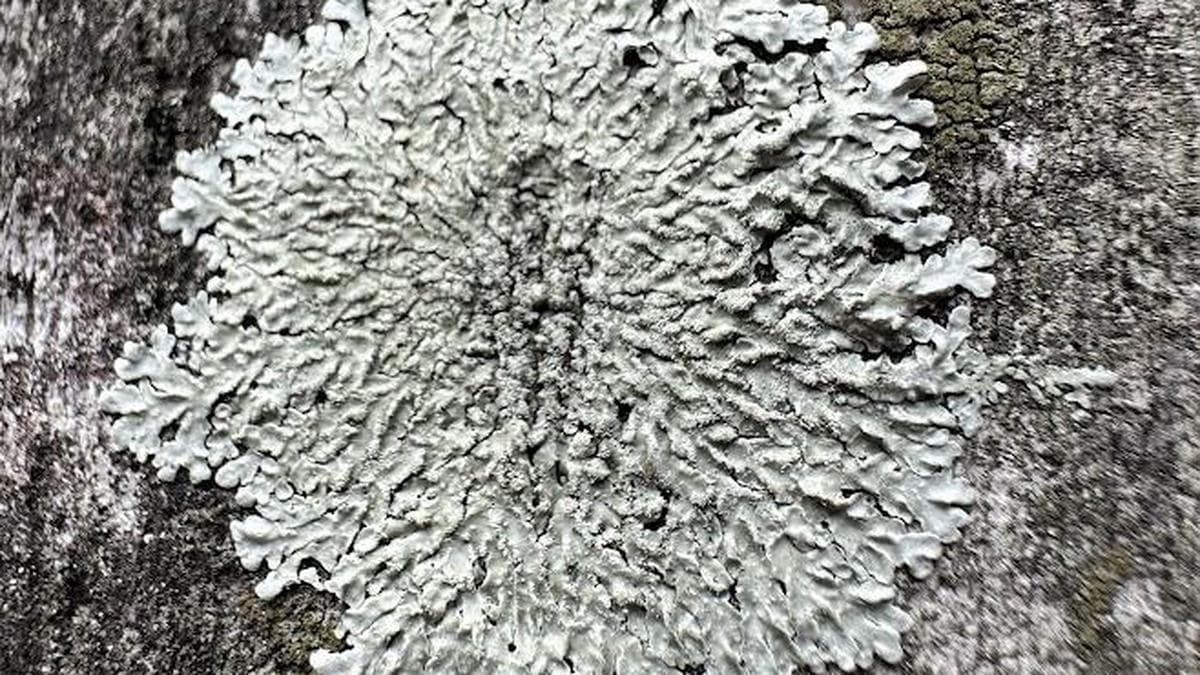
A recent study at Kochi's Subhash Chandra Bose Park reveals over 20 unique lichen species, highlighting the ecological importance of urban biodiversity.
GlipzoA recent investigation has unveiled that Subhash Chandra Bose Park in Kochi is home to a remarkable diversity of lichens, with a survey documenting more than 20 unique species. Conducted by the Nature Club and the Department of Botany at Maharaja's College, in collaboration with the Bhoomitrasena Club of Sree Sankara College in Kalady, this study shines a spotlight on the ecological importance of this urban green space.
Spanning 11.5 acres, Subhash Chandra Bose Park serves not only as a recreational area but also as a vital ecosystem. The study was part of a broader effort to record biodiversity within the city, emphasizing the role of lichens—a complex organism resulting from a symbiotic relationship between fungi and algae or cyanobacteria. These organisms are often mistaken for mere fungi, yet they play a crucial role in maintaining environmental health.
Lichens are sensitive indicators of air quality due to their vulnerability to pollutants, making them effective biomonitoring agents. As Stephen Sequeira, an associate professor of Botany at Maharaja's College and a specialist in lichen taxonomy and ecology, explains, “Their ability to sequester carbon and respond to environmental changes makes them invaluable for monitoring air quality.” This sensitivity highlights the ecological significance of the lichen populations in Subhash Chandra Bose Park.
Sequeira notes, “No formal lichen survey has been conducted within city limits until now. Our findings reveal a rich diversity of lichen species and underscore the ecological importance of this area. Following Mangalavanam, which is often referred to as Kochi’s green lung, Subhash Park emerges as another crucial urban oasis filled with indigenous trees.” This study not only contributes to the understanding of local biodiversity but also provides a foundational data set for future efforts in environmental conservation and monitoring.
The survey identified various lichen genera including Pyxine cocoes, Dirinaria, Porina, Graphis, Arthonia, Cryptothecia, and many others. These lichens were found on a wide range of tree species, revealing a complex and interdependent ecosystem. Some of the notable trees included: - Roystonea regia (Royal Palm) - Bougainvillea - Ficus benjamina (Weeping Fig) - Mangifera indica (Mango) - Saraca asoca (Ashoka Tree) - Wodyetia bifurcata (Foxtail Palm) - Terminalia arjuna (Arjuna Tree)
The rich variety of host trees facilitates the growth of diverse lichen species, each contributing to the park's ecological richness.
The team behind this enlightening study included Arun Christy, a research scholar under Stephen Sequeira, alongside other dedicated students and faculty members from the Department of Botany such as Mathew Steephan, Jess Mary James, Shanti Vasudevan, Benoy Thomas, and Ajith Kumar. Their collaborative efforts have laid the groundwork for ongoing biodiversity research in Kochi.
While this survey represents a significant step in understanding the lichen biodiversity of the area, Sequeira emphasizes that it is merely a preliminary exploration. “There’s potential for identifying even more lichen species through detailed studies,” he mentions, indicating that further surveys are planned for various locations throughout the city.
The study received approval from the Centre for Heritage, Environment and Development (C-HED), which is the research and development wing of the Kochi Municipal Corporation. Their support highlights the importance of integrating scientific research into urban planning and conservation strategies.
As urban areas continue to expand, the need for comprehensive biodiversity assessments becomes increasingly critical. The findings from Subhash Chandra Bose Park not only contribute to the local understanding of ecosystem health but also serve as a model for future biodiversity initiatives in urban settings.
The implications of this research extend beyond the park itself. Understanding the biodiversity of lichens can help inform environmental policies and urban development strategies, ensuring that natural ecosystems are preserved amidst urbanization. As leaders in the community recognize the importance of green spaces, studies like this one bolster efforts toward sustainable urban planning and conservation.
The preliminary findings from this study open the door to a series of questions regarding the health of urban ecosystems and the specific roles that various species play within them. As future studies are planned, the ecological significance of urban parks like Subhash Chandra Bose Park will likely become a focal point in discussions about urban sustainability and biodiversity conservation. The community can look forward to more comprehensive surveys that will further illuminate the intricate web of life existing within Kochi’s urban environment, fostering a deeper appreciation for these vital green spaces.
In summary, as urban centers evolve, the ongoing research into local biodiversity will play a crucial role in guiding effective environmental management strategies, ensuring that cities remain not only livable but also thriving ecosystems.

Discover how the brain protein Menin could be the key to halting cognitive decline with new research that uncovers its vital role in aging.
Indian Express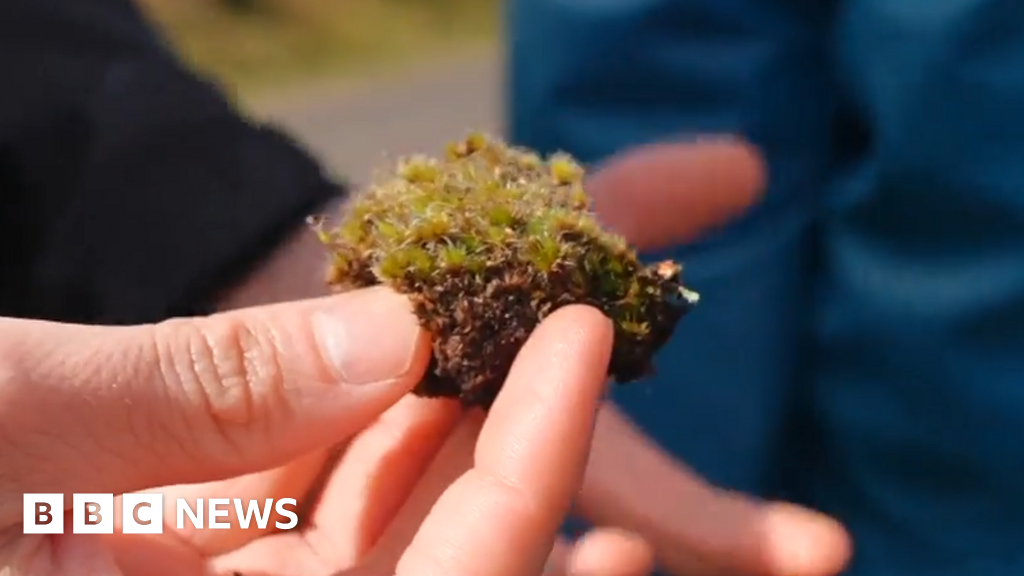
A new 'killer fungus' discovered in the UK targets invasive heath-star moss, offering hope for restoring native habitats. Will it turn the tide against invasives?
BBC Science
A Blue Origin rocket exploded during a test in Florida, prompting investigations. All personnel are safe. What does this mean for the future of space travel?
BBC Business