Glipzo
WorldTechnologyBusinessSportsEntertainmentScienceHealthPolitics
Glipzo
WorldTechnologyBusinessSportsEntertainmentScienceHealthPolitics
  1. Home
  2. /
  3. Science
  4. /
  5. Major Study Reveals Crops Absorb Drugs from Wastewater Irrigation
Major Study Reveals Crops Absorb Drugs from Wastewater Irrigation

Image: Science Daily

Science
Sunday, March 15, 20264 min read

Major Study Reveals Crops Absorb Drugs from Wastewater Irrigation

A new study reveals that crops irrigated with treated wastewater can accumulate pharmaceuticals in their leaves, raising food safety concerns.

Glipzo News Desk|Source: Science Daily
Share
Glipzo

Key Highlights

  • Crops irrigated with treated wastewater store drugs in their leaves.
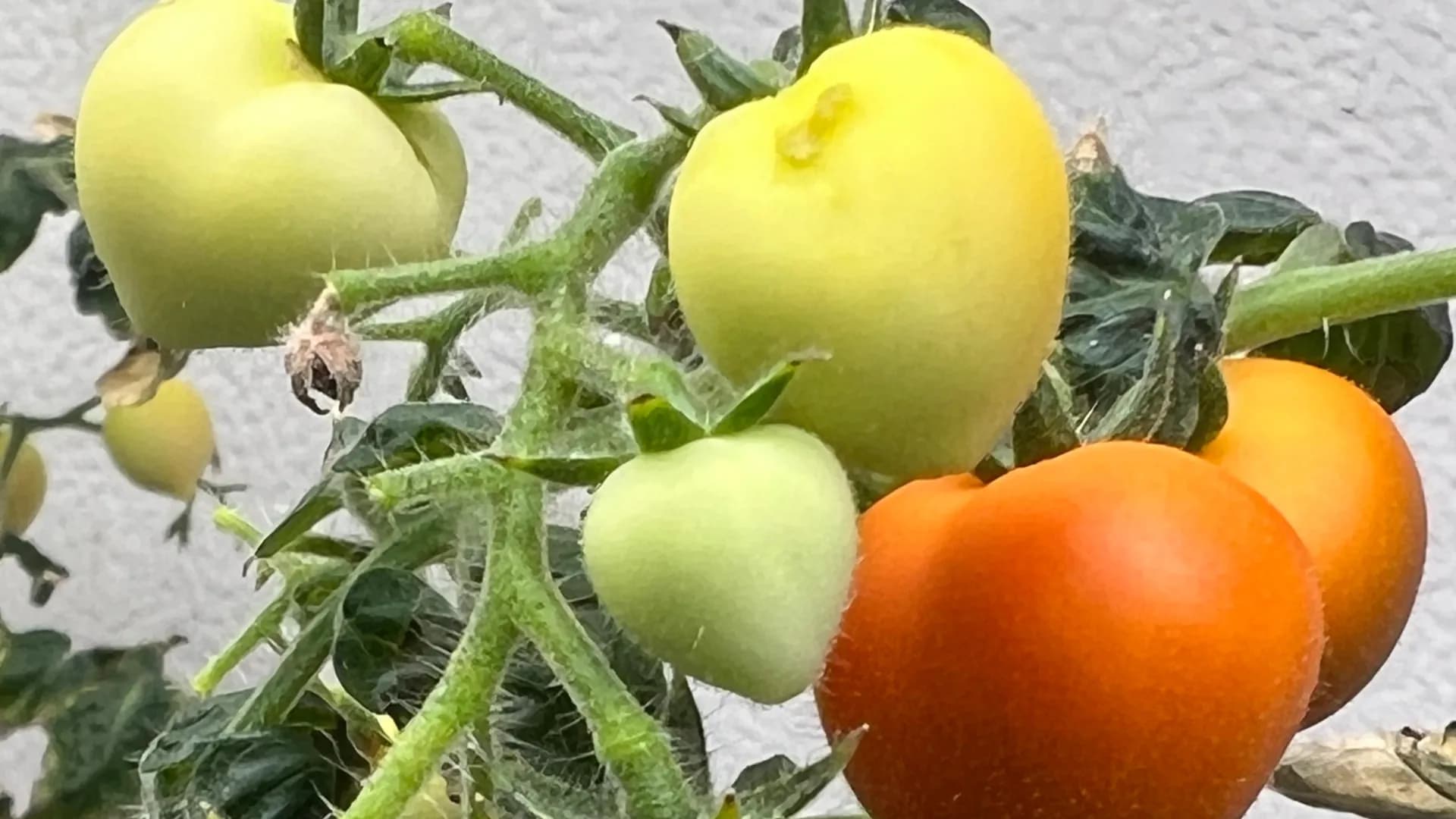
  • Tomato leaves showed 200x more drug concentration than fruits.
  • Research highlights risks of using wastewater for irrigation.
  • Plants lack mechanisms to excrete pharmaceutical compounds.
  • Future studies are needed to assess health impacts on consumers.

In this article

  • Understanding Wastewater Irrigation and Its Impacts In areas facing **water scarcity**, farmers are increasingly turning to treated **wastewater** for irrigation. While this method is crucial for conserving water resources, it raises significant concerns among consumers and regulators alike. Recent research from **Johns Hopkins University** has brought to light a troubling aspect of this practice: crops, particularly **tomatoes**, **carrots**, and **lettuce**, have been found to accumulate trace amounts of pharmaceuticals, including psychoactive medications, in their leaves.
  • Key Findings of the Study The research, led by **Daniella Sanchez**, a doctoral student at Johns Hopkins, involved analyzing the effects of four common psychoactive drugs: **carbamazepine**, **lamotrigine**, **amitriptyline**, and **fluoxetine**. These medications are commonly prescribed for mental health conditions such as depression and bipolar disorder.
  • Accumulation Patterns in Leaf Tissues The results were striking: the analysis revealed that the psychoactive compounds primarily concentrated in the leaves of the crops. For instance, **tomato leaves** exhibited concentrations of these substances that were over **200 times higher** than those found in the actual fruit. Similarly, in carrots, the leaves contained about **seven times the concentration** compared to the edible roots.
  • The Mechanism Behind Drug Absorption The researchers explored the mechanism by which plants absorb pharmaceutical compounds through water uptake. Water serves as a vehicle for nutrients and other molecules, traveling upwards from the roots through the stem and ultimately reaching the leaves. As this water evaporates through tiny openings called **stomata**, any dissolved drug compounds are left behind, leading to accumulation in the leaf tissues.
  • Why Do Plants Retain These Compounds? The inability of plants to effectively remove these pharmaceuticals means that the compounds often become embedded within their cell structures. Some are trapped in the **cell walls**, while others accumulate in **vacuoles**, which serve as storage compartments for unwanted materials. Consequently, over time, these substances can build up in the plant tissues, raising questions about the implications for human consumption.
  • Why It Matters for Food Safety As the global population continues to grow, the reliance on alternative water sources like treated wastewater is expected to increase. This raises important questions about food safety and the potential health impacts of consuming crops that may contain pharmaceutical residues.
  • Looking Ahead: Implications and Future Research The findings from the Johns Hopkins study signal a need for deeper investigations into the safety of using treated wastewater for irrigation. Future research could focus on: - **Long-term impacts** of consuming crops with pharmaceutical residues - **Developing guidelines** for acceptable levels of contaminants in food - **Exploring alternative irrigation methods** that might mitigate the risks

Understanding Wastewater Irrigation and Its Impacts In areas facing **water scarcity**, farmers are increasingly turning to treated **wastewater** for irrigation. While this method is crucial for conserving water resources, it raises significant concerns among consumers and regulators alike. Recent research from **Johns Hopkins University** has brought to light a troubling aspect of this practice: crops, particularly **tomatoes**, **carrots**, and **lettuce**, have been found to accumulate trace amounts of pharmaceuticals, including psychoactive medications, in their leaves.

The findings, published in the journal Environmental Science and Technology, contribute to ongoing investigations regarding the safety of using municipal wastewater for agriculture. These waters typically undergo treatment at facilities before being reused for farming. However, the potential for crop contamination by pharmaceuticals remains a critical issue.

Key Findings of the Study The research, led by **Daniella Sanchez**, a doctoral student at Johns Hopkins, involved analyzing the effects of four common psychoactive drugs: **carbamazepine**, **lamotrigine**, **amitriptyline**, and **fluoxetine**. These medications are commonly prescribed for mental health conditions such as depression and bipolar disorder.

To assess how these drugs affect plants, the researchers cultivated crops in a controlled environment, supplying them with a nutrient solution mixed with one of the medications over a 45-day period. This experimental setup allowed scientists to closely monitor how the plants absorbed these drugs and where they distributed within their tissues.

Accumulation Patterns in Leaf Tissues The results were striking: the analysis revealed that the psychoactive compounds primarily concentrated in the leaves of the crops. For instance, **tomato leaves** exhibited concentrations of these substances that were over **200 times higher** than those found in the actual fruit. Similarly, in carrots, the leaves contained about **seven times the concentration** compared to the edible roots.

While these findings may initially raise alarms about food safety, Sanchez emphasizes that they should not be misconstrued as a direct health warning. Instead, the study provides essential insights into how crops metabolize and store chemical compounds absorbed through irrigation.

The Mechanism Behind Drug Absorption The researchers explored the mechanism by which plants absorb pharmaceutical compounds through water uptake. Water serves as a vehicle for nutrients and other molecules, traveling upwards from the roots through the stem and ultimately reaching the leaves. As this water evaporates through tiny openings called **stomata**, any dissolved drug compounds are left behind, leading to accumulation in the leaf tissues.

Sanchez notes, "Plants lack an efficient method for excreting these drug compounds. Unlike humans, they cannot simply urinate to remove waste, resulting in the retention of these substances in their tissues."

Why Do Plants Retain These Compounds? The inability of plants to effectively remove these pharmaceuticals means that the compounds often become embedded within their cell structures. Some are trapped in the **cell walls**, while others accumulate in **vacuoles**, which serve as storage compartments for unwanted materials. Consequently, over time, these substances can build up in the plant tissues, raising questions about the implications for human consumption.

Why It Matters for Food Safety As the global population continues to grow, the reliance on alternative water sources like treated wastewater is expected to increase. This raises important questions about food safety and the potential health impacts of consuming crops that may contain pharmaceutical residues.

With water shortages exacerbated by climate change and increased agricultural demands, understanding how crops interact with these contaminants is vital. Regulators, farmers, and consumers alike need to be aware of these findings to make informed decisions about agricultural practices and food consumption.

Looking Ahead: Implications and Future Research The findings from the Johns Hopkins study signal a need for deeper investigations into the safety of using treated wastewater for irrigation. Future research could focus on: - **Long-term impacts** of consuming crops with pharmaceutical residues - **Developing guidelines** for acceptable levels of contaminants in food - **Exploring alternative irrigation methods** that might mitigate the risks

As agricultural practices evolve to address water scarcity, it is crucial for stakeholders in the food supply chain to remain vigilant about potential health risks. Policymakers may need to consider stricter regulations on treated wastewater usage in agriculture to ensure that food safety remains a top priority.

In conclusion, while the use of treated wastewater presents a practical solution to water shortages, the implications for crop safety cannot be overlooked. Continued research and dialogue among scientists, farmers, and policymakers will be essential in navigating the complexities of food safety in a changing climate.

Did you find this article useful? Share it!

Share

Related Articles

Critical Efforts Underway to Save Stranded Whale Timmy
Science
Apr 17, 2026

Critical Efforts Underway to Save Stranded Whale Timmy

A new rescue effort for stranded whale Timmy includes using air cushions. Can this innovative method save him? Learn more about his situation.

BBC World
Shocking Butterfly Comeback After 430 Trees Planted
Science
Apr 17, 2026

Shocking Butterfly Comeback After 430 Trees Planted

Rare white-letter hairstreak butterflies return to Quantock Hills after volunteers plant 430 elm trees, marking a significant conservation success. Find out more!

BBC Science
Major Fundraising Drive to Revive Surrey's Wildlife
Science
Apr 16, 2026

Major Fundraising Drive to Revive Surrey's Wildlife

Surrey Wildlife Trust launches a £40K campaign to revive local wildlife, reconnecting communities with nature. Discover how you can help!

BBC Science

Categories

  • World
  • Technology
  • Business
  • Sports

More

  • Entertainment
  • Science
  • Health
  • Politics

Explore

  • Web Stories
  • About Us
  • Contact

Legal

  • Privacy Policy
  • Terms of Service

© 2026 Glipzo. All rights reserved.