

Image: Science Daily
New research reveals that bull sharks form social bonds, challenging long-held beliefs about their solitary nature. Discover the implications for conservation.
GlipzoA groundbreaking study has unveiled that bull sharks are more than just solitary predators; they form social bonds with certain individuals, challenging the traditional view of their behavior. Conducted at the Shark Reef Marine Reserve in Fiji, this research marks a significant advancement in our understanding of shark social dynamics.
The collaborative effort brought together scientists from notable institutions, including the University of Exeter, University of Lancaster, Fiji Shark Lab, and Beqa Adventure Divers. The findings came after extensive observation and tracking of bull sharks over a period of six years, involving 184 individual sharks across various age groups.
Lead researcher Natasha D. Marosi, from the University of Exeter, stated, "As humans, we cultivate a range of social relationships—from casual acquaintances to our best friends—but we also actively avoid certain people. These bull sharks are doing similar things." This perspective highlights the active social preferences exhibited by bull sharks, suggesting they choose specific companions while steering clear of others.
The study categorized the sharks into three age groups: sub-adult (not yet sexually mature), adult, and advanced-adult (post-reproductive age). Researchers observed both broad association patterns, where sharks stay within one body length of each other, and detailed interactions that included behaviors such as lead-follow movements and parallel swimming. The results revealed that adult sharks were the most socially engaged, frequently forming connections with similarly sized individuals.
Professor Darren Croft, affiliated with Exeter’s Centre for Research in Animal Behaviour, noted, "Contrary to commonly held perceptions of sharks, our study shows they have relatively rich and complex social lives." This revelation underscores the fact that sharks, like many other animals, can derive various benefits from social interactions, including the learning of new skills, finding food, and locating potential mates, all while minimizing conflicts.
Interestingly, both male and female bull sharks were found to prefer associating with females, but males tended to have a broader array of social connections. Marosi further explained, "Male bull sharks are physically smaller than females; thus, one potential benefit they gain is by being more socially integrated, which buffers them from aggressive confrontations with larger individuals."
The research also explored how age influences social behavior among bull sharks. Dr. David Jacoby, from Lancaster University, highlighted the unique opportunity provided by the Shark Reef Marine Reserve, a protected area with a consistent shark population throughout the year. This environment allowed researchers to observe the social dynamics of these sharks as they matured and navigated their relationships.
Marosi elaborated, stating that older sharks tend to be less social. With years of experience honing their hunting and mating skills, these advanced adults may not rely on social bonds as heavily as younger sharks. Conversely, sub-adult bull sharks are often less present in the reserve, typically residing in near-shore habitats or estuarine systems during their early life stages.
Despite their general absence, some sub-adults have formed connections with adult sharks, who may aid in their social integration and facilitate learning opportunities. This interaction is crucial for their development, especially in a species where survival often hinges on learning from more experienced individuals.
The implications of this study extend beyond mere curiosity about shark behavior; they hold significant importance for conservation efforts. Marosi stressed, "Understanding how sharks interact socially could play an important role in conservation strategies. By recognizing the social structures within shark populations, we can better inform measures to protect them."
As human activities continue to threaten shark habitats through overfishing and environmental degradation, it becomes increasingly vital to understand the social dynamics of these creatures. With sharks being integral to marine ecosystems, preserving their populations is essential not only for their survival but also for maintaining the health of ocean environments.
The findings from this research open the door to further investigations into the social behavior of various shark species. As scientists gain a deeper understanding of these social structures, they can develop targeted conservation techniques that consider the nuances of shark relationships.
Moving forward, researchers will likely delve into the social interactions of other shark species and explore how these behaviors impact their survival and reproductive success. Additionally, studies may investigate the influence of environmental changes on shark social structures, providing insights into how these magnificent creatures adapt to a rapidly changing world.
In conclusion, this remarkable study not only reshapes our perception of bull sharks but also emphasizes the intricate social lives they lead. As we continue to explore the depths of marine biology, it is evident that the more we learn about sharks, the better equipped we will be to protect them and their habitats for generations to come.

Discover how the brain protein Menin could be the key to halting cognitive decline with new research that uncovers its vital role in aging.
Indian Express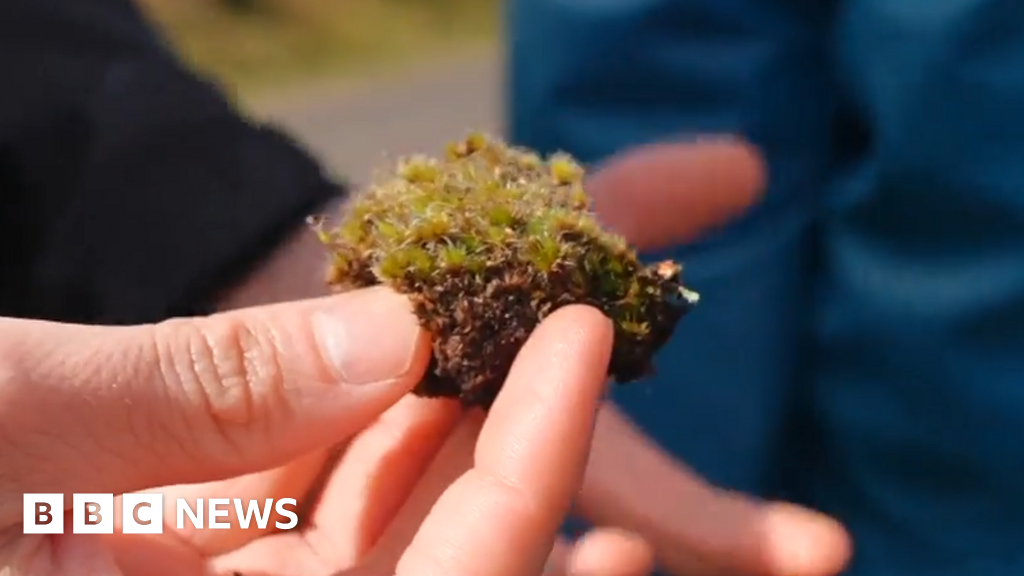
A new 'killer fungus' discovered in the UK targets invasive heath-star moss, offering hope for restoring native habitats. Will it turn the tide against invasives?
BBC Science
A Blue Origin rocket exploded during a test in Florida, prompting investigations. All personnel are safe. What does this mean for the future of space travel?
BBC Business