
Image: The Hindu
Major developments unfold as a U.S. counterterrorism chief resigns over the Iran war, while political tensions rise in India amid healthcare tragedies and electoral disputes.
GlipzoIn a shocking development, Joe Kent, the director of the National Counterterrorism Centre, has announced his resignation, citing moral concerns over the current administration’s military actions in Iran. Kent took to social media to express his discontent, stating he could not support a war that he believes poses no imminent threat to the United States. He highlighted that this conflict appears to have been driven by external pressures, notably from Israel and its influential supporters in America. The implications of such a high-profile resignation raise questions about the administration's foreign policy and the internal dissent within its ranks.
Kent's comments resonate deeply in a politically charged environment, where the motivations behind military action are scrutinized. His departure can be viewed as a reflection of broader disillusionment among officials regarding U.S. interventionist policies. As tensions escalate, this resignation may signal potential shifts in the dynamics of U.S. counterterrorism strategies and their approach to the Middle East.
In a separate but equally significant development, the Lok Sabha passed a unanimous resolution to lift the suspension of eight opposition members. Speaker Om Birla emphasized the importance of maintaining decorum in Parliament, urging members to refrain from bringing misleading materials, including AI-generated posters. This resolution comes after extensive discussions among party leaders, all of whom reaffirmed their commitment to uphold the integrity of the legislative body.
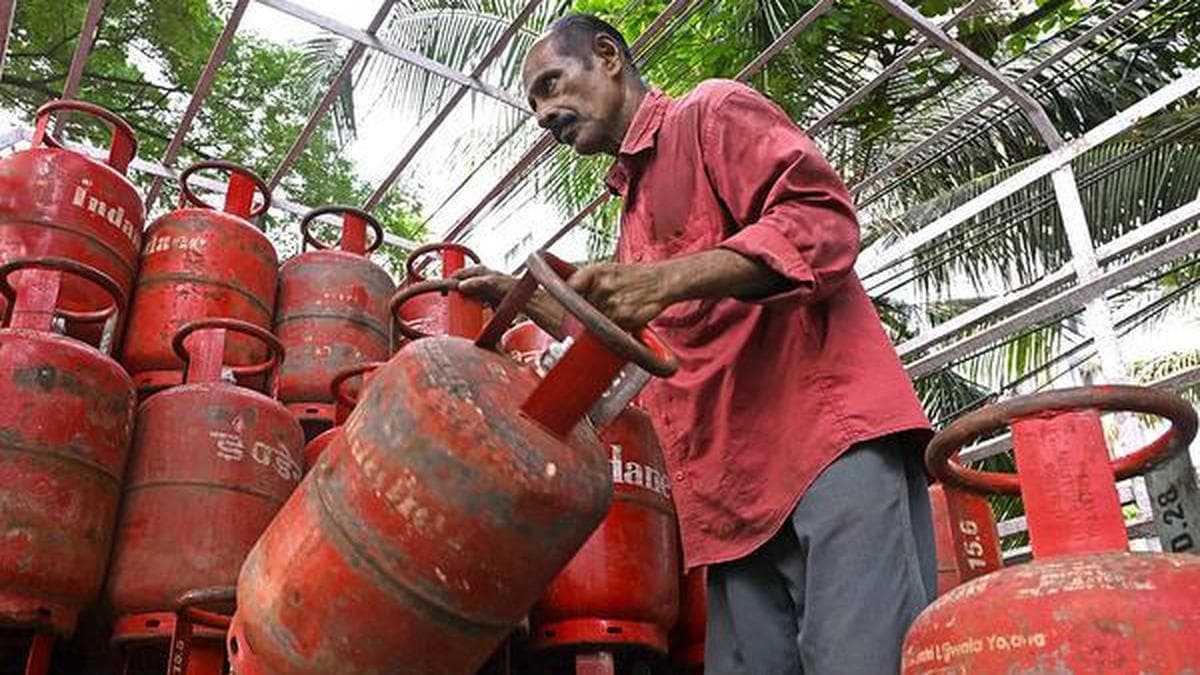
Simultaneously, the Union Government has taken proactive steps regarding city gas distribution pipelines. Officials, including Sujata Sharma, Joint-Secretary at the Ministry of Petroleum and Natural Gas, announced that pending applications for gas pipeline installations should receive deemed approval, with new requests processed within 24 hours. This move aims to streamline operations and address delays that have stifled the expansion of gas infrastructure in the country.
Tragedy struck at the SCB Medical College Hospital in Cuttack, where a devastating fire has now claimed 12 lives, as two more victims succumbed to their injuries. The fire, which erupted in the trauma ICU early on March 16, 2026, has ignited a political storm, with former Odisha Chief Minister Naveen Patnaik demanding the resignation of Health Minister Mukesh Mahaling.
Initial investigations reveal that a delayed response due to low staffing levels and complications in contacting fire services contributed to the high casualty rate. The incident underscores critical concerns regarding hospital safety protocols and emergency response capabilities, prompting calls for accountability from state officials.
In a landmark ruling, the Supreme Court has declared that maternity leave for working women is a basic human right. This ruling urges the Union government to consider recognizing paternity leave as a social security benefit, emphasizing the shared responsibilities of parenthood. The judgment arose from a challenge to the Maternity Benefit Act, which was revised in late 2025. The new legislation controversially restricted maternity benefits to biological mothers, a move deemed insufficient in recognizing the evolving dynamics of family structures.
Meanwhile, the Uttarakhand High Court has ordered the Kotdwar police to provide updates on their investigation into a controversial incident involving Deepak Mohammad, a gym owner who became a focal point after confronting activists accused of pressuring a local Muslim shopkeeper. This case has drawn national attention, highlighting issues of communal harmony and individual rights in the face of societal pressures.
In a further political shake-up, the Odisha Pradesh Congress Committee has suspended three MLAs for cross-voting during recent Rajya Sabha elections held on March 16. The suspensions underscore the ongoing internal strife within political parties as they navigate electoral challenges and maintain party discipline.
As the political landscape continues to evolve, several key issues demand attention: - Foreign Policy: With Kent's resignation, will the U.S. reconsider its strategies in the Middle East? - Domestic Energy Supply: How will the government's gas pipeline initiative address the slump in LPG consumption? - Healthcare Safety: What measures will be implemented to prevent future hospital tragedies? - Social Rights Legislation: Will the push for paternity leave gain momentum following the Supreme Court's ruling? - Political Stability: How will the suspensions within Congress impact the party's unity and strategy ahead of upcoming elections?
These developments could have significant implications not just for policymakers but for the citizens who rely on their decisions. As events unfold, observing how these issues are addressed will be crucial for understanding future political and social dynamics in India and beyond.

Tensions soar as the US and Iran engage in air strikes near the Strait of Hormuz, raising concerns over global oil supply and regional stability.
BBC World
Trump's international interventions face serious stalemates. What will this mean for U.S. foreign policy? Explore the critical challenges ahead.
Indian Express
Tehran denies resignation of President Masoud Pezeshkian amid claims of IRGC influence. What does this mean for Iran's political stability? Click to learn more!
Indian Express