
Image: BBC Science
Cambridge Science Park plans major redevelopment, promising 20,000 jobs and a £3bn economic boost. Discover the exciting future ahead!
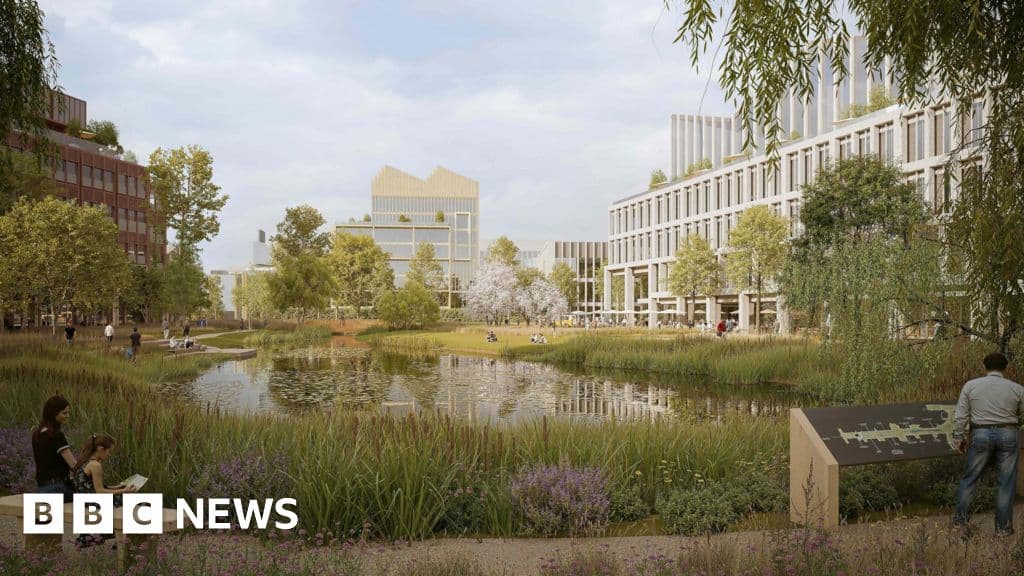
GlipzoCambridge Science Park, recognized as the oldest science park in Europe, is set to undergo a significant transformation that could yield 20,000 new jobs and enhanced facilities for the local community. This ambitious redevelopment aims to not only expand the park but also to strengthen its contributions to the economy and society.
Located on Milton Road, the Cambridge Science Park has been a hub of innovation since its inception in 1970. Currently, it supports over 7,000 employees who are focused on cutting-edge technologies and life-saving medicines. The proposed plans are designed to multiply the park's economic output, predicting a staggering increase to £3 billion annually.
Dame Sally Davies, the Master of Trinity College Cambridge—which co-owns the park—is spearheading this initiative. She emphasizes the importance of making the park accessible to young people and families from Cambridge and surrounding areas. “Opening up the new Park of Science to the young people and families of Cambridge and the towns and villages around is a key aspect,” she stated.
The proposed redevelopment includes: - An increase in built space from 2.8 million to 8 million square feet. - Enhanced public transport options and cycling routes. - Improved flood resilience and diverse landscaping.
This initiative not only aims to create new jobs but also intends to foster community engagement and support local economies in nearby towns and villages like Peterborough.
Since its establishment by Trinity College, the park has been instrumental in numerous groundbreaking innovations, including: - Cancer drugs that have transformed patient care. - Bluetooth technology, revolutionizing wireless communication. - Advanced mobile phone chips that have shaped the tech landscape.
The redevelopment seeks to maximize the use of space and resources, ensuring that the Cambridge Science Park remains at the forefront of global scientific advancements. The college is committed to ensuring that this growth brings tangible benefits to everyone in the region.
One of the key aspects of the redevelopment is the commitment to community involvement. The park will continue to be open to the public and will feature: - Outdoor exhibits showcasing scientific advancements. - An open-air museum dedicated to science and technology. - Stronger ties to the Cambridge Science Centre, which aims to promote STEM education.
Rebecca Porter, CEO of the Cambridge Science Centre, expressed her enthusiasm for the redevelopment, stating, “We are incredibly excited by the opportunities that the continued growth of Cambridge Science Park presents.” She highlights the park's proximity to world-leading research, which enhances educational experiences for families and students.
The plans have garnered support from key figures in the scientific community. Roland Sinker, chair of innovation and growth at the University of Cambridge, describes the initiative as “a strong vote of confidence in the UK as a science and technology leader.” He emphasizes that the expected job creation will not only boost local employment but will also contribute billions to the national economy.
With the application now submitted to the Greater Cambridge Shared Planning Service, the joint development management committee will soon review the proposals. If approved, the plans could reshape the landscape of scientific research and innovation in the UK for decades to come.
As the plans move through the approval process, several key factors will shape the future of the Cambridge Science Park: - The response from local communities and stakeholders regarding the redevelopment. - How effectively the park can balance expansion with environmental and social responsibilities. - The ongoing commitment to fostering innovation while engaging with the public.
This redevelopment represents a pivotal moment for the park, potentially setting a precedent for how science parks can evolve to meet the needs of the 21st century. The future is bright for Cambridge Science Park, with opportunities for growth and development that could resonate well beyond the local community.
As we watch how this unfolds, the focus will be on whether these ambitious plans are realized and how they might redefine the role of science parks in education, employment, and economic growth in the UK and beyond.

Discover how the brain protein Menin could be the key to halting cognitive decline with new research that uncovers its vital role in aging.
Indian Express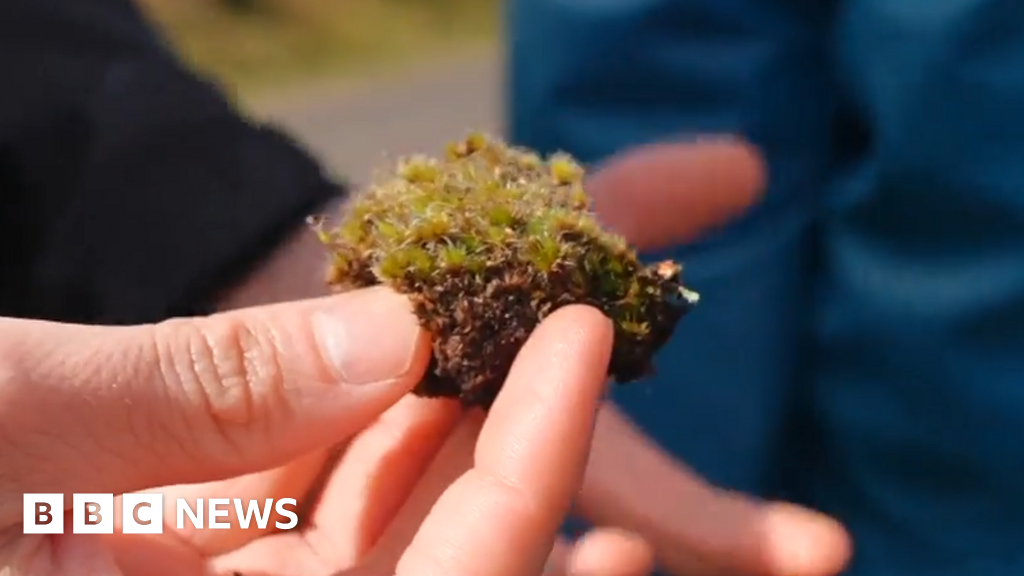
A new 'killer fungus' discovered in the UK targets invasive heath-star moss, offering hope for restoring native habitats. Will it turn the tide against invasives?
BBC Science
A Blue Origin rocket exploded during a test in Florida, prompting investigations. All personnel are safe. What does this mean for the future of space travel?
BBC Business