
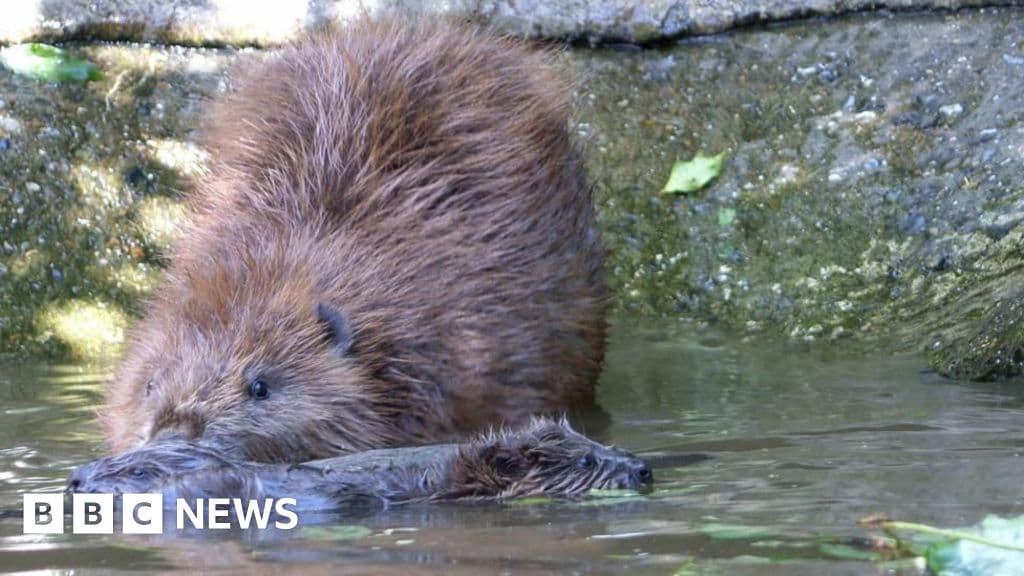
Image: BBC Science
Major plans to reintroduce beavers in Cumbria progress, aiming for ecological benefits and community involvement. Discover what’s next for this initiative.
GlipzoExciting developments are underway as plans to reintroduce beavers to a new area in Cumbria are advancing. After the successful reintroduction of these remarkable creatures in an enclosure at the Lowther Estate near Penrith in 2020, Forestry England has announced that their proposal for a wild release plan in west Cumbria has gained traction. The organization has moved forward from an initial expression of interest to being invited to submit a comprehensive application for the project.
The ambitious proposal outlines the release of 30 adult beavers, anticipated to be released in 15 pairs, with the potential inclusion of additional young kits. This could bring the total number of beavers released in the region to around 50.
Hayley Dauben, the project lead for Forestry England, expressed her enthusiasm about the project, stating that the reintroduction of beavers would provide numerous ecological advantages to the Ehen and Calder catchment areas. Beavers, once native to the British mainland, were hunted to extinction in the 16th century, making their return a significant ecological milestone.
Dauben explained that beavers create vital habitats through their natural behaviors. Their dams play a crucial role in regulating water flows, can assist in releasing water during drought periods, and contribute to cleaner waterways.
> “So lots of good benefits and habitats that we don't see as much as we used to in our environments,” Dauben noted, highlighting the importance of restoring these ecosystems.
While previous plans for beaver reintroduction in Ennerdale were halted in 2023 due to concerns about a proposed metal grill that could impede salmon and trout migrations, Forestry England is determined to move forward. After reassessing the plans, they anticipate that the first release could occur as early as September 2027.
To ensure the successful integration of beavers into the local ecosystem, Forestry England has devised strategies to protect individual trees that may be particularly valuable or at risk due to beaver activity. This careful planning reflects a commitment to balance ecological restoration with the interests of landowners and local communities.
As part of their ongoing efforts, Forestry England is actively engaging with landowners and stakeholders to gather input that will help shape the project. They are aiming to identify 20 potential release sites throughout the region. This collaborative approach highlights the importance of community involvement in ecological projects and aims to foster support for the reintroduction initiative.
The timeline for the project includes a goal to submit the full application by late 2026, with Natural England expected to take up to four months for its assessment. This structured approach ensures that all necessary evaluations and considerations are addressed before the beavers are released into the wild.
The reintroduction of beavers into the British landscape is not just a matter of bringing back a species; it is about restoring and revitalizing ecosystems that have been degraded over centuries. Beavers are often referred to as “ecosystem engineers” due to their ability to shape their environment, creating wetlands that support a diverse array of wildlife.
Their presence can have a cascading effect on the ecosystem, benefiting many species and enhancing biodiversity. By regulating water levels, beavers can help mitigate the impacts of flooding and drought, making them crucial allies in the face of climate change.
As the plans for beaver reintroduction continue to unfold, the anticipation surrounding this project grows. Conservationists, local communities, and wildlife enthusiasts are eager to witness the positive changes that these remarkable animals can bring to the landscape. With a structured timeline and community engagement at the forefront, the future looks bright for beavers in Cumbria.
As we look to the future, the success of this initiative could serve as a model for similar projects across the UK, emphasizing the critical role that species reintroduction plays in ecological restoration and biodiversity conservation. Watch for updates on the application process and community involvement as this project progresses toward its goal of revitalizing ecosystems in west Cumbria.

Discover how the brain protein Menin could be the key to halting cognitive decline with new research that uncovers its vital role in aging.
Indian Express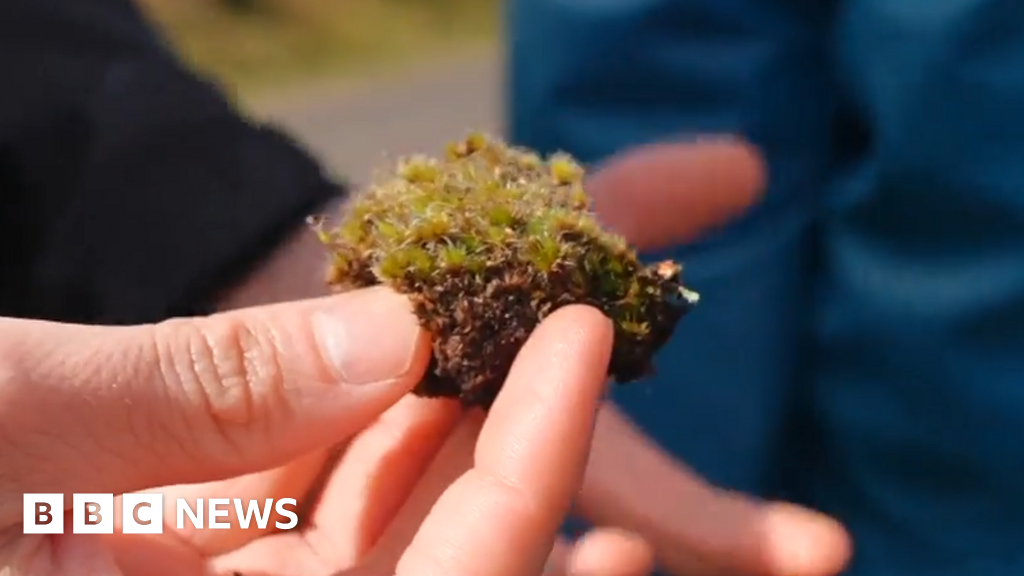
A new 'killer fungus' discovered in the UK targets invasive heath-star moss, offering hope for restoring native habitats. Will it turn the tide against invasives?
BBC Science
A Blue Origin rocket exploded during a test in Florida, prompting investigations. All personnel are safe. What does this mean for the future of space travel?
BBC Business