
Image: BBC Science
Discover how the successful reintroduction of pine martens in south-west England is reshaping local ecosystems and inspiring community involvement.
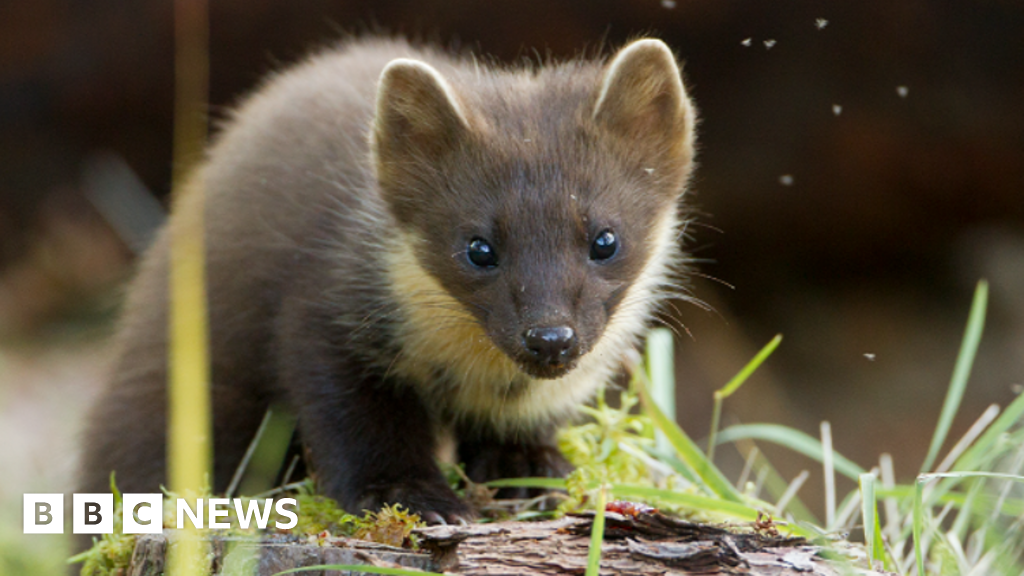
GlipzoAfter more than a century of absence, pine martens are experiencing a remarkable resurgence in parts of south-west England. The Devon Wildlife Trust has been spearheading efforts to reintroduce these elusive mammals through the Two Moors Pine Marten project, which launched in autumn 2024. The initiative has seen the release of dozens of these creatures into carefully selected, undisclosed locations across the Dartmoor and Exmoor regions.
In a significant milestone for the project, it was confirmed in July that the reintroduced pine martens have successfully bred in their new habitat. This is a pivotal moment for a species that was hunted to extinction in this area over 100 years ago. Tracey Hamston, the project lead, expressed her excitement over the recent developments, stating that the births were the "news we were waiting for". She emphasized the hope that more young pine martens, known as kits, would soon be observed in the wild.
Hamston shared, "This year's kits should be being born on both Dartmoor and Exmoor around now. We hope to see evidence of this on our cameras when the kits become more active in May and June." The anticipation for these new arrivals not only underscores the success of the reintroduction project but also highlights the importance of ongoing conservation efforts in the region.
To monitor the progress of the reintroduced pine martens, the project has employed innovative tracking methods. Initially, researchers used collars to track the animals for the first six months post-release, which were later supplemented by remote cameras. This dual approach has provided valuable insights into the behaviors and movements of the pine martens.
Remarkably, some of the released individuals have traveled over 20 miles (32 km) from their release sites, showcasing their adaptability and exploratory nature. Hamston remarked, "It's been amazing to see where the pine martens have travelled since their release. We can see that they've been thoroughly exploring the landscape before settling into their new woodland homes."
The success of the Two Moors Pine Marten project relies not only on scientific methods but also on community involvement. Conservationists are urging local residents to report sightings of pine martens to aid in ongoing tracking and monitoring efforts. Engaging the public in this manner fosters a sense of shared responsibility and enhances the project's overall effectiveness.
Pine martens play a crucial role in their ecosystems, acting as both predators and prey. Their presence helps maintain the balance of various species, contributing to a healthier forest environment. The successful reintroduction of pine martens in south-west England not only supports biodiversity but also serves as a beacon of hope for conservation initiatives globally.
As the warmer months approach, conservationists remain vigilant and hopeful for the sighting of new kits. The ongoing monitoring efforts will provide crucial data that could shape future reintroduction projects not only in England but also in other regions where pine martens have disappeared.
In the coming months, observers are likely to see increased activity from the kits as they begin to explore their surroundings. The Devon Wildlife Trust aims to expand its outreach and educational programs to raise awareness about the importance of pine martens and the role they play in the ecosystem.
The reintroduction of pine martens in south-west England marks a significant turning point in local conservation efforts. With successful breeding confirmed and community engagement at the forefront, the future looks promising for these remarkable mammals. As they adapt to their new environment, the hope is that they will thrive and contribute to restoring balance in the local ecosystem.
As we look toward the future, all eyes will be on Dartmoor and Exmoor to see how this ambitious conservation project unfolds and what it means for wildlife recovery efforts across the UK.
---
Why It Matters: The revival of the pine marten population is not just a win for conservationists; it symbolizes the potential for species recovery and the importance of community involvement in wildlife conservation efforts.

Discover how the brain protein Menin could be the key to halting cognitive decline with new research that uncovers its vital role in aging.
Indian Express
A new 'killer fungus' discovered in the UK targets invasive heath-star moss, offering hope for restoring native habitats. Will it turn the tide against invasives?
BBC Science
A Blue Origin rocket exploded during a test in Florida, prompting investigations. All personnel are safe. What does this mean for the future of space travel?
BBC Business