

Image: The Guardian World
Monarch butterfly populations in Mexico surge by 64%, raising hopes for conservation amid ongoing threats like habitat loss and climate change.
GlipzoIn a remarkable turn of events, monarch butterflies have seen their population soar by 64% this winter in Mexico compared to the previous year. This significant increase offers a ray of hope for a species that has faced increasing threats from habitat destruction, climate change, and pesticide use. The new figures released by the World Wildlife Fund (WWF) Mexico reveal that the area occupied by these vibrant butterflies has expanded to 2.93 hectares (7.24 acres) from 1.79 hectares (4.42 acres), marking the largest coverage since 2018.
Mexican Environment Minister Alicia Bárcena Ibarra emphasized the importance of the monarch butterfly as a symbol of cooperation among Mexico, the United States, and Canada. At a recent press conference, she stated, "Its conservation is a collective commitment we must maintain for the future." This statement underscores the shared responsibility of these nations in protecting a species that undertakes an extraordinary migration journey each year.
Every autumn, millions of monarch butterflies embark on a 3,000-mile journey from Canada, traversing the United States before arriving at their winter sanctuary in the forests of western Mexico. The sight of these orange-hued butterflies blanketing trees is both breathtaking and a crucial part of the ecosystem. However, the 30-year decline in their population raises alarms about their future.
The main culprits behind this decline include: - Habitat loss due to deforestation - The climate crisis, which alters their natural environment - The widespread use of herbicides like glyphosate and dicamba, which drastically reduce the availability of milkweed, the essential food source for monarch caterpillars.
Due to these alarming trends, the Biden administration proposed listing the monarch butterfly as a threatened species under the Endangered Species Act by the end of 2024. However, a delay in this decision by the previous administration has raised concerns among conservationists. Environmental advocates, including Tierra Curry from the Center for Biological Diversity, have voiced strong opinions regarding the need for timely action to protect these iconic butterflies, stating, “It would be unforgivable for [the monarch’s] epic migrations to collapse because of political cowardice.”
In Mexico, the problem of illegal logging has been exacerbated by the expanding avocado farming industry, particularly in the state of Michoacán. This lucrative trade has attracted organized crime groups, leading to significant forest loss. The area that once covered nearly 18.21 hectares (45 acres) in 1995 has now dwindled, with current levels far below the 6.07 hectares (15 acres) deemed necessary for the monarch's survival.
The consequences of this illegal activity have been grave. In 2020, renowned monarch butterfly conservationist Homero Gómez González was tragically found dead, with suspicions of foul play linked to organized crime trying to exploit the region’s natural resources.
Despite these challenges, notable progress has been made in conservation efforts. The rate of illegal logging has dropped significantly—from a peak of nearly 500 hectares (1,235 acres) affected between 2003-2004, to just 2.55 hectares (6.3 acres) impacted between February 2024 and February 2025.
María José Villanueva, the director of WWF Mexico, shared positive news, stating, “One of the greatest achievements of this work is that illegal logging in the core zone of the Monarch Butterfly Biosphere Reserve has been virtually eradicated since 2008.” This is a significant milestone as it helps ensure the protection of the forests that serve as essential habitats for the butterflies during their hibernation.
As we move forward, it is crucial to sustain the momentum of these conservation efforts. The resurgence in the monarch butterfly population is an encouraging sign, but continued vigilance and proactive measures are essential to combat the ongoing threats.
The survival of monarch butterflies is emblematic of broader environmental health. Their existence indicates the vitality of ecosystems that support various species, including humans. Protecting their habitat not only helps monarchs but also preserves biodiversity and promotes ecological balance. The recent population surge gives hope that concerted conservation efforts can reverse trends of decline and foster a healthier planet.
Looking ahead, several key areas require attention: - Continued Advocacy: Support from governments and organizations to enforce laws protecting critical habitats. - Public Awareness: Increasing community engagement in conservation efforts, focusing on the importance of biodiversity. - Research and Monitoring: Ongoing studies to better understand the impact of climate change and pesticides on monarch populations.
As the world watches these efforts unfold, the monarch butterfly serves as a poignant reminder of the delicate balance of nature and the collective responsibility we share in preserving it for future generations.

Discover how the brain protein Menin could be the key to halting cognitive decline with new research that uncovers its vital role in aging.
Indian Express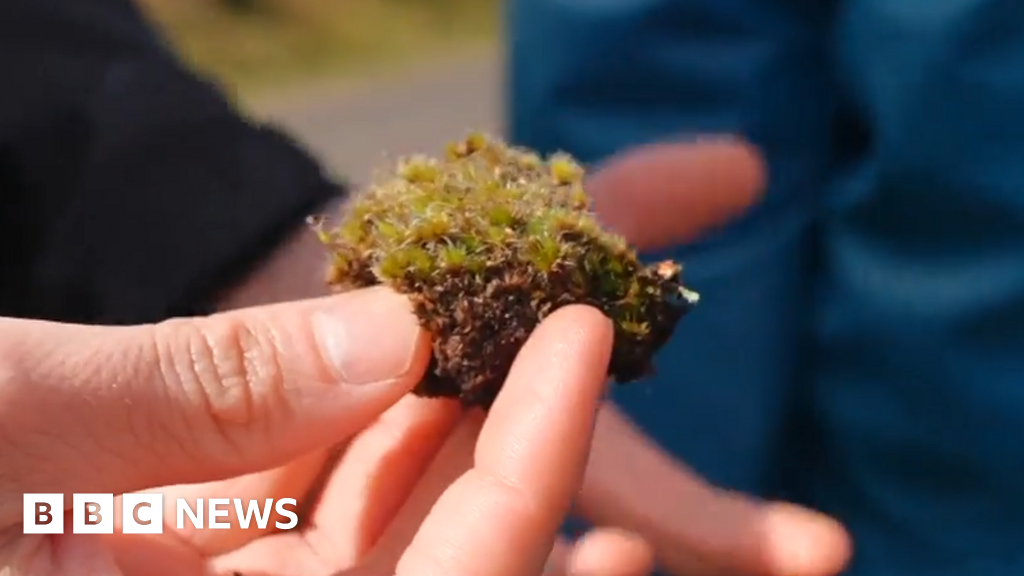
A new 'killer fungus' discovered in the UK targets invasive heath-star moss, offering hope for restoring native habitats. Will it turn the tide against invasives?
BBC Science
A Blue Origin rocket exploded during a test in Florida, prompting investigations. All personnel are safe. What does this mean for the future of space travel?
BBC Business