

Image: The Hindu
The zebra population at Bannerghatta Biological Park rises to 10 with the birth of two foals. Discover the significance of this development!
GlipzoIn an exciting development for wildlife enthusiasts, the Bannerghatta Biological Park (BBP) has announced a significant increase in its zebra population. Two female zebra foals were born in January, marking a milestone for the park and bringing the total number of zebras to 10. This increase in numbers not only enhances the park's biodiversity but also offers visitors a chance to observe these magnificent creatures in their natural habitat.
The births were reported by BBP on March 16, 2026, highlighting the impressive reproductive success of the park's zebra population. The first foal was born to Kokila, a young zebra just two and a half years old, on January 17. Shortly after, another foal was welcomed into the world by Kaveri, an older zebra aged 12 years, on January 28. Both foals are sired by a male zebra named Bharath, who has contributed significantly to the genetic diversity of the herd.
The gestation period for zebras typically lasts between 12 to 13 months, which is crucial for ensuring healthy offspring. The BBP explained that the newborn foals initially sport brown stripes that will darken into the iconic black stripes as they mature. This transformation is a natural part of their development and is something visitors can look forward to witnessing during their trips.
The park has taken special measures to ensure the health and well-being of the foals. They are currently under meticulous observation by the BBP's veterinary team and dedicated animal keepers. This level of care is indicative of the park's commitment to animal welfare, ensuring that both the newborns and their parents thrive in their environment.
For those looking to catch a glimpse of the new zebras, the BBP has opened its doors to visitors eager to see the foals in person. The addition of these young zebras not only enriches the park's offerings but also enhances educational opportunities for the public. Visitors can learn more about zebra behavior, their habitat, and the conservation efforts in place to protect these beautiful animals.
The BBP’s commitment to wildlife conservation extends beyond just the zebras. The park is home to a variety of species, and these latest births underscore the success of its breeding programs. With the growing population of zebras, the BBP is positioned as an important center for wildlife education and conservation in the region.
The increase in the zebra population at BBP is a significant marker for conservation efforts in India. Zebras, native to Africa, face various threats in the wild, including habitat loss and poaching. By successfully breeding and caring for these animals in captivity, the BBP contributes to broader conservation goals and raises awareness about the importance of protecting wildlife.
Moreover, the positive developments at BBP can inspire other wildlife parks to enhance their breeding programs, ultimately leading to better outcomes for endangered species. The park serves as an example of how dedicated efforts in animal husbandry can lead to successful population growth.
As the BBP continues to monitor the growth and health of its zebra population, it is also looking to the future. The park plans to implement more educational programs focused on wildlife conservation and the importance of biodiversity. This will not only benefit the zebras but also educate the public on the critical role each species plays in the ecosystem.
Additionally, the BBP may explore partnerships with other wildlife organizations to expand its conservation efforts. This could lead to increased resources for research, habitat preservation, and further breeding programs for various endangered species.
In summary, the recent births at the Bannerghatta Biological Park represent a significant step forward in zebra conservation and provide an opportunity for visitors to engage with wildlife in meaningful ways. The BBP's dedication to animal welfare and conservation continues to make it a vital institution for both education and preservation in the region.
With the successful birth of two foals, the Bannerghatta Biological Park is not just nurturing an increase in zebra population but is also playing a crucial role in wildlife conservation. As the park evolves, it will be interesting to see how these initiatives develop and what new projects will emerge to further protect and educate the public about these incredible animals.

Discover how the brain protein Menin could be the key to halting cognitive decline with new research that uncovers its vital role in aging.
Indian Express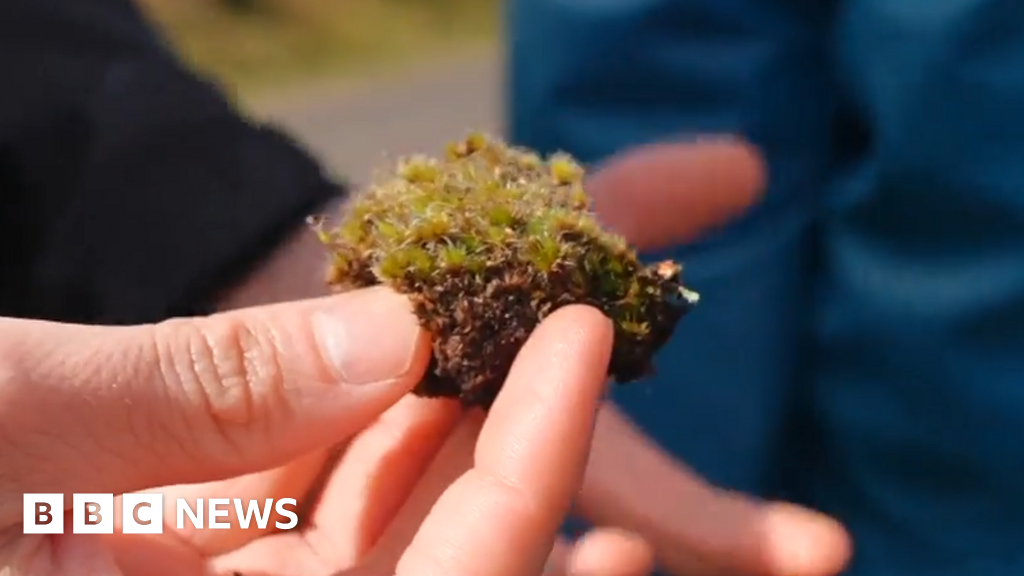
A new 'killer fungus' discovered in the UK targets invasive heath-star moss, offering hope for restoring native habitats. Will it turn the tide against invasives?
BBC Science
A Blue Origin rocket exploded during a test in Florida, prompting investigations. All personnel are safe. What does this mean for the future of space travel?
BBC Business