
Image: The Hindu
Lok Sabha passes ₹53 lakh crore grants using guillotine, stirring debate. Key agricultural reforms and opposition concerns highlighted. What’s next?
GlipzoThe method of guillotining grants is seen as a way to expedite discussions, but it bypasses detailed examination. Only two ministries—Agriculture and Railways—were subject to debate before the votes were cast. This decision has sparked a significant debate among political factions, particularly regarding its implications for fiscal responsibility and democratic engagement.
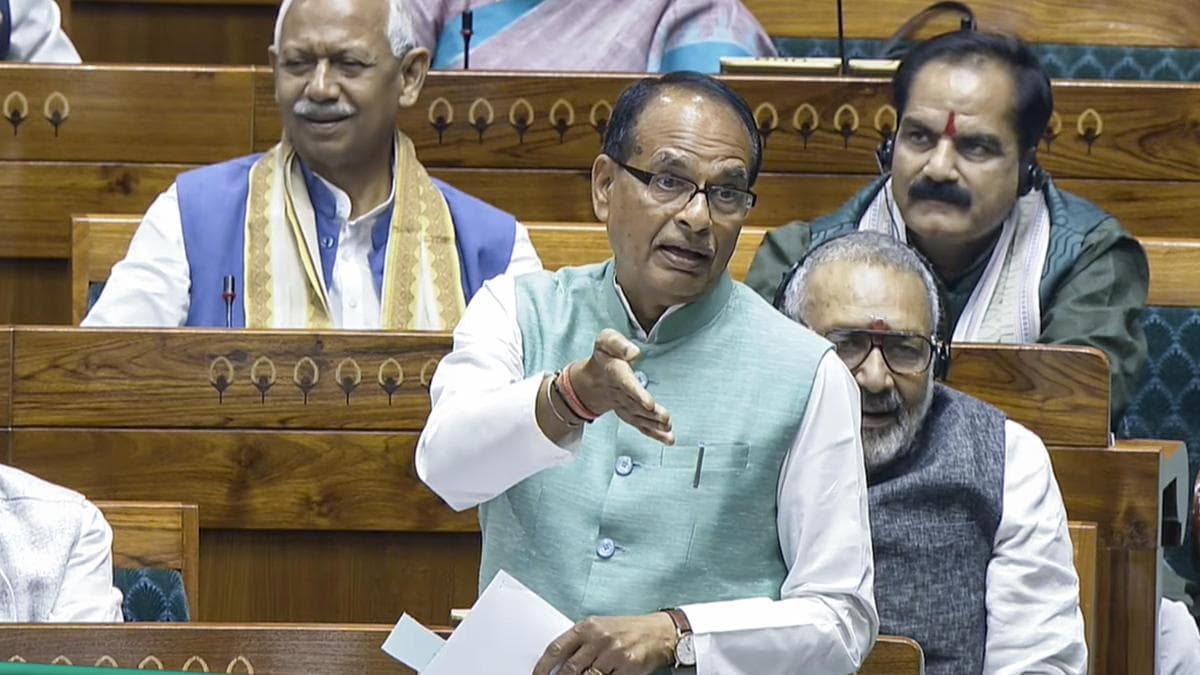
Chouhan emphasized the government's proactive measures, including the Pradhan Mantri Krishi Sinchai Yojana, which aims to facilitate irrigation for about 2.7 million hectares of farmland. He also announced upcoming legislation, including new Pesticide and Seed Bills, designed to enhance agricultural productivity by ensuring the availability of quality inputs for farmers.
Warring’s suggestions included providing ₹5,000 incentives per farmer to combat the pressing issue of stubble burning, an environmental concern exacerbated by agricultural practices.
Pratima Mondal from the Trinamool Congress echoed similar sentiments, criticizing the government’s handling of agricultural distress and demanding accountability for the fatalities linked to recent protests. Meanwhile, BJP member Konda Vishweshwar Reddy advocated for higher MSP for pulses, praising the government for its efforts in controlling inflation and enhancing purchasing power among the populace.
As the 2026-27 budget takes shape, stakeholders from various sectors will be watching closely. The ramifications of this decision could influence future sessions of Parliament and the relationship between the government and the opposition.
The ongoing dialogue about agricultural policies will likely shape the political landscape in the lead-up to the next elections. With farmers’ issues at the forefront, how the government navigates these challenges will be pivotal in maintaining its support base and addressing the growing concerns surrounding rural welfare. As the next Parliament session approaches, expect intensified scrutiny and potential debates surrounding these critical financial decisions.

Tensions soar as the US and Iran engage in air strikes near the Strait of Hormuz, raising concerns over global oil supply and regional stability.
BBC World
Trump's international interventions face serious stalemates. What will this mean for U.S. foreign policy? Explore the critical challenges ahead.
Indian Express
Tehran denies resignation of President Masoud Pezeshkian amid claims of IRGC influence. What does this mean for Iran's political stability? Click to learn more!
Indian Express