
Image: BBC Science
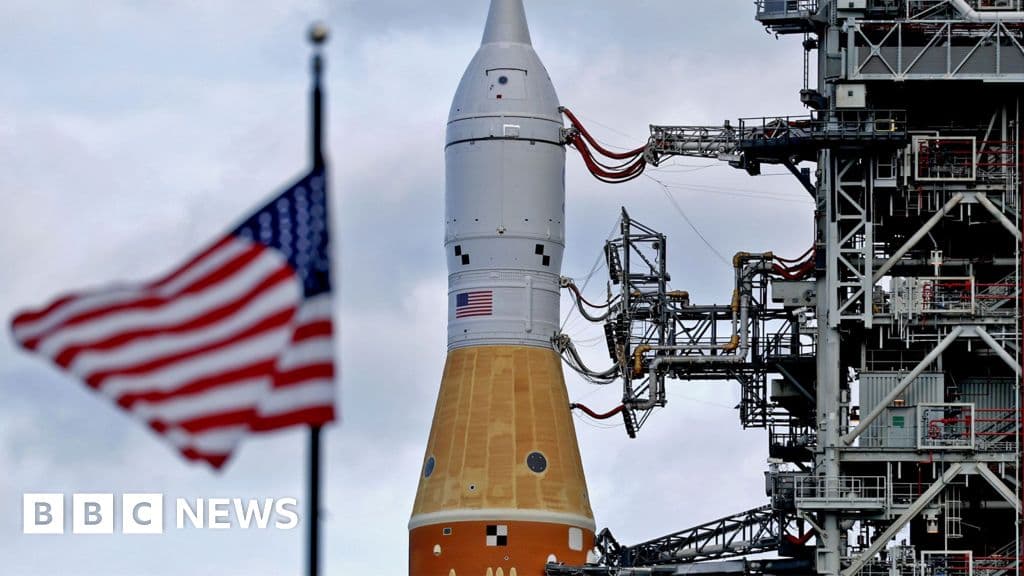
Discover the highlights of NASA's Artemis II mission, a historic journey that paves the way for future lunar exploration and human landings on the Moon.
GlipzoThe crew consists of Reid Wiseman, Victor Glover, Christina Koch, and Jeremy Hansen, marking a historic collaboration between the United States and Canada. The spacecraft, Orion, is designed to transport astronauts into deep space and demonstrate essential technologies for lunar exploration. The excitement surrounding this mission was palpable, with crowds gathering at the Kennedy Space Center to witness this significant launch.
As the spacecraft began its ascent, excitement filled the air. Astronaut Jeremy Hansen encapsulated the crew's mission with his pre-launch message, stating, "We are going for all humanity." Cheers erupted from the crowd as Orion soared into the sky, reaching speeds of over 10,000 mph (16,100 km/h). The crew officially entered orbit upon crossing the Kármán line, the boundary that separates Earth’s atmosphere from outer space.
Orion reached a remarkable maximum distance of 252,756 miles (406,771 km) from Earth during the lunar fly-by, breaking the previous record for the furthest distance humans have traveled in space. The mission provided the crew with unique experiences, including witnessing a total solar eclipse and observing small craters on the Moon's far side. In a touching tribute, the astronauts proposed naming one of these craters “Carroll” in honor of Commander Wiseman’s late wife, who passed away in 2020.
Looking ahead, NASA has outlined ambitious plans for subsequent Artemis missions. The upcoming Artemis III, scheduled for 2027, aims to rehearse the rendezvous and docking process with lunar landers, as well as test new spacesuits. Following that, Artemis IV is set to launch in 2028, with astronauts targeting the Moon's south pole for exploration. The competition between commercial partners, such as SpaceX’s Starship and Blue Origin, will play a pivotal role in determining which vehicles will support these missions.
As we look forward to the future of space exploration, the Artemis program holds the promise of revitalizing our ambitions for deep space travel. The successful completion of Artemis II will inspire a new generation of scientists, engineers, and explorers, encouraging them to reach for the stars and beyond. Keep an eye on upcoming missions, as they will continue to shape our understanding of the universe and our place within it.

Discover how the brain protein Menin could be the key to halting cognitive decline with new research that uncovers its vital role in aging.
Indian Express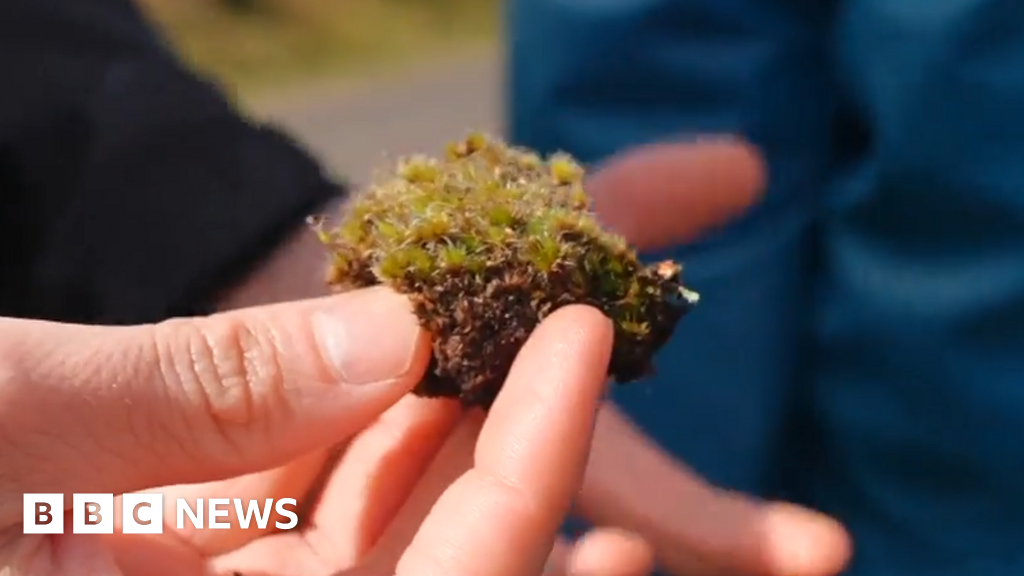
A new 'killer fungus' discovered in the UK targets invasive heath-star moss, offering hope for restoring native habitats. Will it turn the tide against invasives?
BBC Science
A Blue Origin rocket exploded during a test in Florida, prompting investigations. All personnel are safe. What does this mean for the future of space travel?
BBC Business