
Image: BBC World
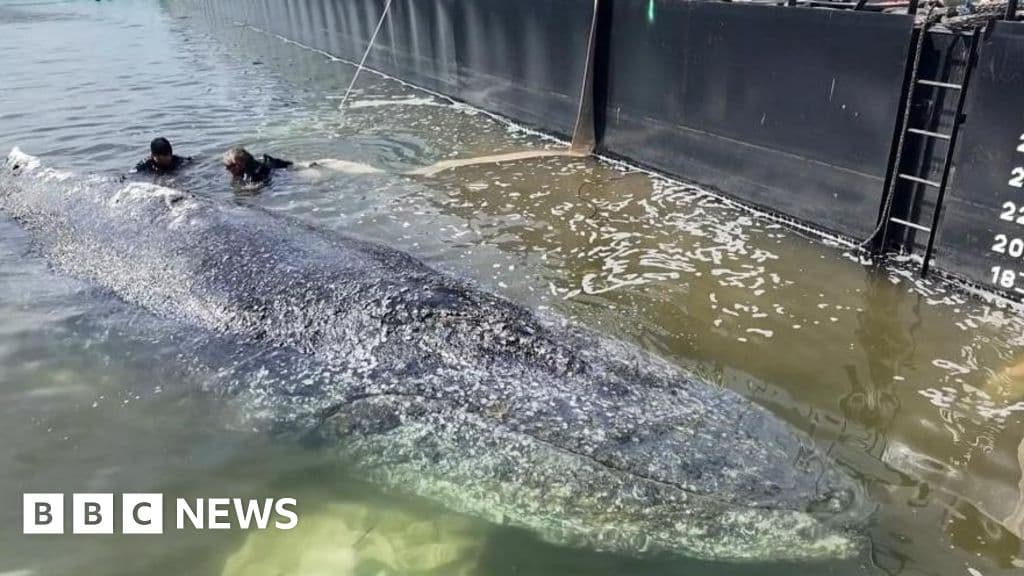
Danish officials prepare to remove a humpback whale carcass from Anholt Island due to health risks after failed rescue attempts. What’s next?
GlipzoIn a critical move, Danish environmental officials are preparing to remove the carcass of a humpback whale from Anholt Island due to rising health concerns. The unfortunate discovery was made last weekend, following a failed rescue attempt that had captured the attention of many along the Baltic Sea coast in Germany. This incident raises significant questions about marine wildlife management and the protective measures in place for stranded animals.
This particular humpback whale had been stranded for weeks along the German coastline before a private rescue operation attempted to save it. Unfortunately, the efforts were in vain, and the whale’s carcass has now drifted approximately 20-30 meters from the Anholt beach.
One local resident, who chose to remain anonymous, reported, "It's around 20-30m from the beach but it's drifting along the beach." This highlights both the proximity of the whale to populated areas and the potential risks involved.
The Danish Environmental Protection Agency has issued warnings urging island residents to keep their distance from the whale's carcass due to potential health risks. The agency is also planning to conduct a post-mortem examination to gather valuable scientific data from the whale, which could contribute to future marine conservation efforts.
While specific details about the removal process have yet to be released, the agency confirmed that plans are underway to ensure that both the examination and the collection of scientific samples can proceed effectively.
As the carcass decomposes, it has reportedly increased in size due to gas buildup, leading to concerns among some islanders about the possibility of an explosion. However, one resident expressed a more relaxed viewpoint, stating, "That's nature. I know some people are worried, but I'm not."
The journey of this humpback whale remains shrouded in mystery. After being released from a barge off the German coast, it was found approximately 70 kilometers (45 miles) from Denmark's northern tip. The whale's saga has captivated audiences in Germany since early March, resulting in significant media coverage and public interest.
As the story unfolded, islanders on Anholt have been bemused by the attention the whale has received. Some German tourists have made their way to the island to monitor the developments surrounding the whale, affectionately nicknamed “Timmy” by some media outlets, referencing the sandbank where it initially stranded. Others have opted for the more hopeful moniker, “Hope.”
Initially, two private entrepreneurs had high hopes of rescuing the whale. However, experts cautioned that it was in a weakened state and at risk of drowning. By early April, authorities acknowledged that the chances of survival were slim, leading to a somber acceptance of the situation.
The sequence of events not only highlights the challenges faced in marine rescue operations but also raises awareness of the complexities involved in wildlife management.
This incident underscores the delicate balance between human intervention and natural processes in marine ecosystems. As environmental concerns grow, understanding the factors leading to stranding incidents and the subsequent responses from authorities becomes increasingly critical. The removal of the whale’s carcass and the examination to follow could provide insights that help inform future conservation efforts.
The saga of the humpback whale is a poignant reminder of our responsibility to protect marine life. As officials work to ensure the safe removal of the carcass, the broader implications for marine health and wildlife conservation will continue to resonate within communities and across borders.
As Denmark's environmental officials finalize their plans for the whale’s removal, the focus will likely shift to the findings from the post-mortem examination. This examination could yield crucial data regarding the health and state of marine mammals in the North Sea. With ongoing public interest, particularly from Germany, it’s also anticipated that discussions on marine conservation policies will intensify.
In summary, the story of this humpback whale is far from over, and the outcomes of the forthcoming investigations could reshape future strategies for managing stranded marine wildlife. Keep an eye on updates from the Danish Environmental Protection Agency as they navigate this sensitive situation.

Discover how the brain protein Menin could be the key to halting cognitive decline with new research that uncovers its vital role in aging.
Indian Express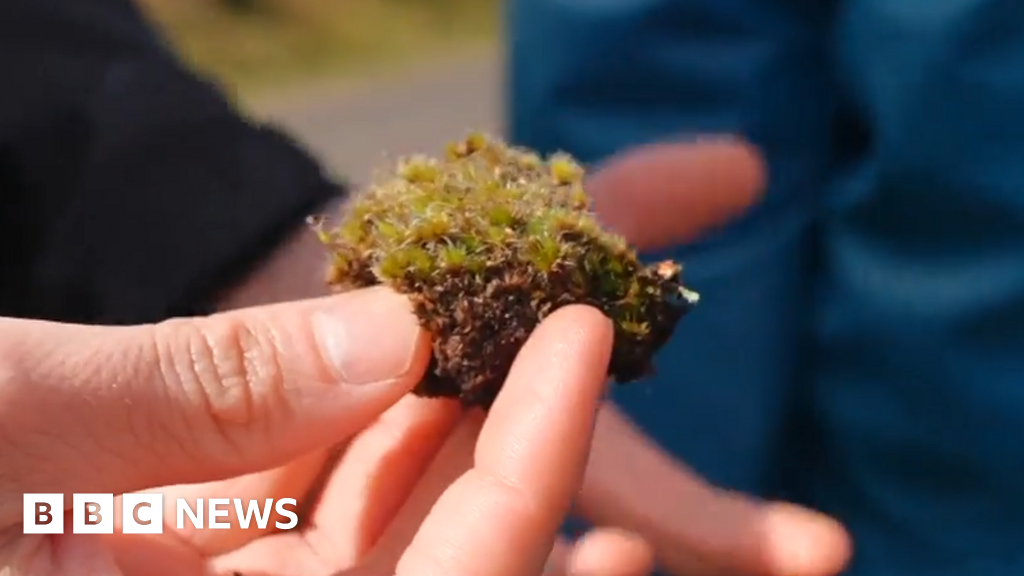
A new 'killer fungus' discovered in the UK targets invasive heath-star moss, offering hope for restoring native habitats. Will it turn the tide against invasives?
BBC Science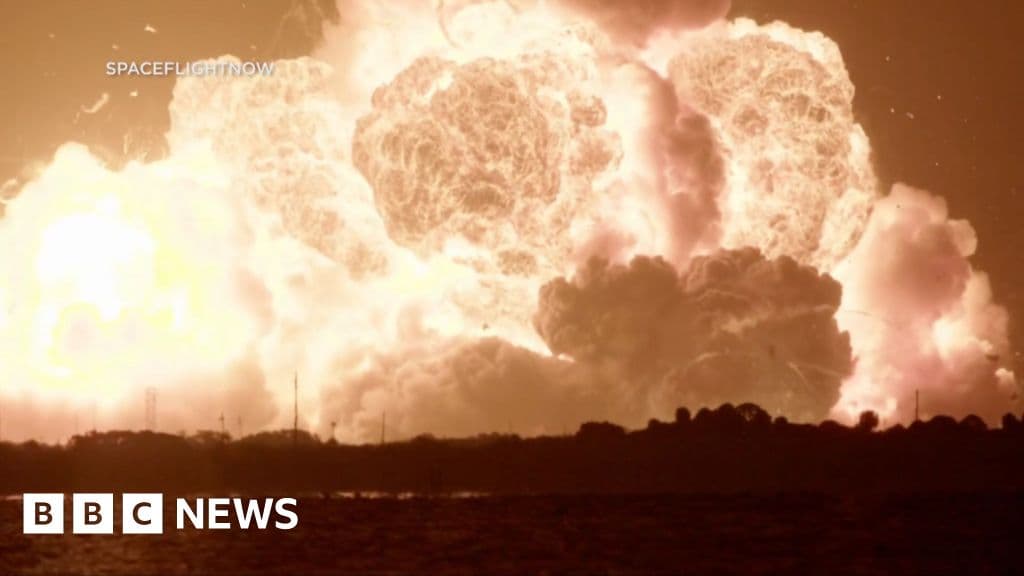
A Blue Origin rocket exploded during a test in Florida, prompting investigations. All personnel are safe. What does this mean for the future of space travel?
BBC Business