
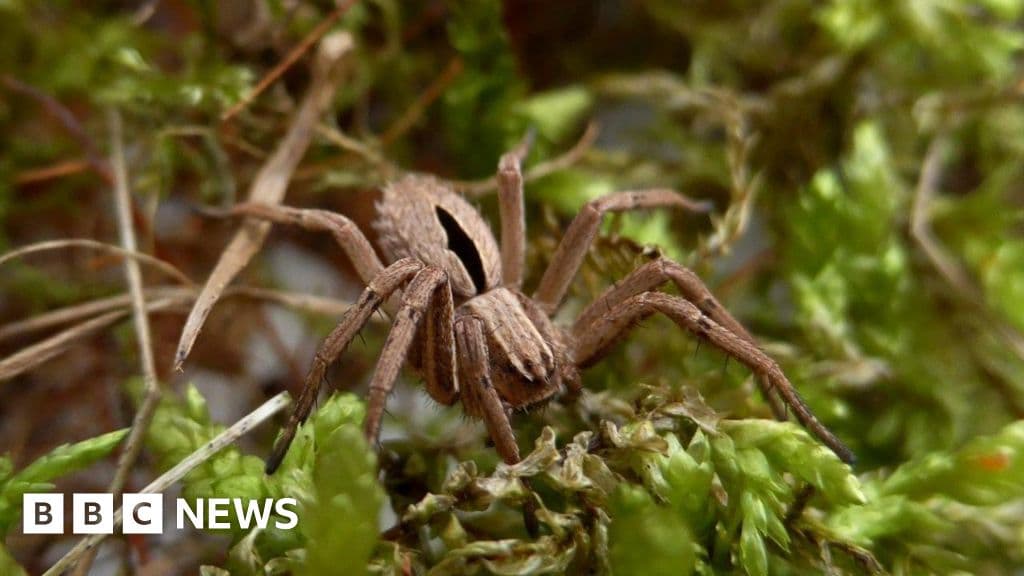
Image: BBC Science
A conservation project for the critically endangered diamond-backed spider receives £50,458 in funding, aiming to secure its future in Clumber Park and beyond.
GlipzoThe National Trust has been awarded £50,458 from the Department for Environment, Food & Rural Affairs (Defra), as part of the Species Recovery Programme managed by Natural England. This funding is poised to enhance ongoing research in collaboration with the British Arachnological Society, aiming to deepen the understanding of the spider’s behavior and habitat needs.
A critical area of focus for researchers is understanding the spider’s breeding patterns, particularly as the team has yet to identify a gravid female—a female spider carrying eggs. This information is crucial for developing effective conservation strategies to bolster the population.
Gareth Jones, the lead ranger at Clumber Park, expressed optimism about the funding’s impact, stating, "This support allows our project to move from discovery to recovery. By understanding what this species needs, we can create the right conditions for it to grow and thrive—not just here, but potentially beyond Clumber."
Dr. Helen Smith from the British Arachnological Society echoed these sentiments, noting the precarious situation facing many critically endangered species in Britain. She stated, "The future of this smart little spider, apparently restricted to a tiny pocket of heathland in Clumber Park, could not be more precarious. This support gives us renewed hope of finding ways to secure its future—not just at Clumber but more widely on heathland in Nottinghamshire and further afield."
As the project unfolds, several key areas will be closely monitored: - Success in Breeding: Will researchers finally locate a gravid female? - New Habitat Discovery: Can populations be found in nearby forests? - Long-term Conservation Strategies: What measures will be taken to ensure the spider's survival?

Discover how the brain protein Menin could be the key to halting cognitive decline with new research that uncovers its vital role in aging.
Indian Express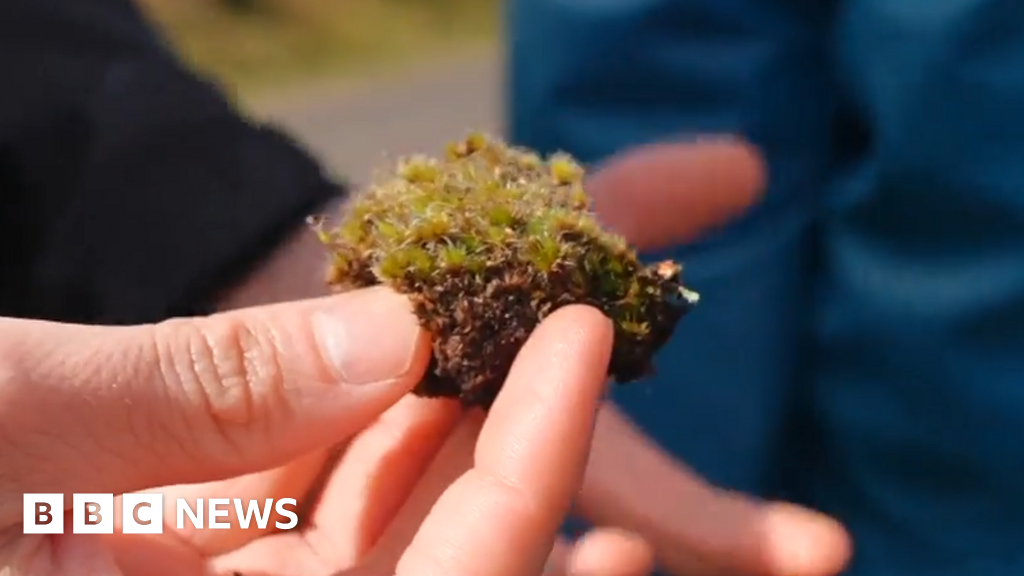
A new 'killer fungus' discovered in the UK targets invasive heath-star moss, offering hope for restoring native habitats. Will it turn the tide against invasives?
BBC Science
A Blue Origin rocket exploded during a test in Florida, prompting investigations. All personnel are safe. What does this mean for the future of space travel?
BBC Business