
Image: Science Daily
Discover how ancient DNA research reveals a farming shift in Argentina's Uspallata Valley, highlighting resilience amid environmental challenges.
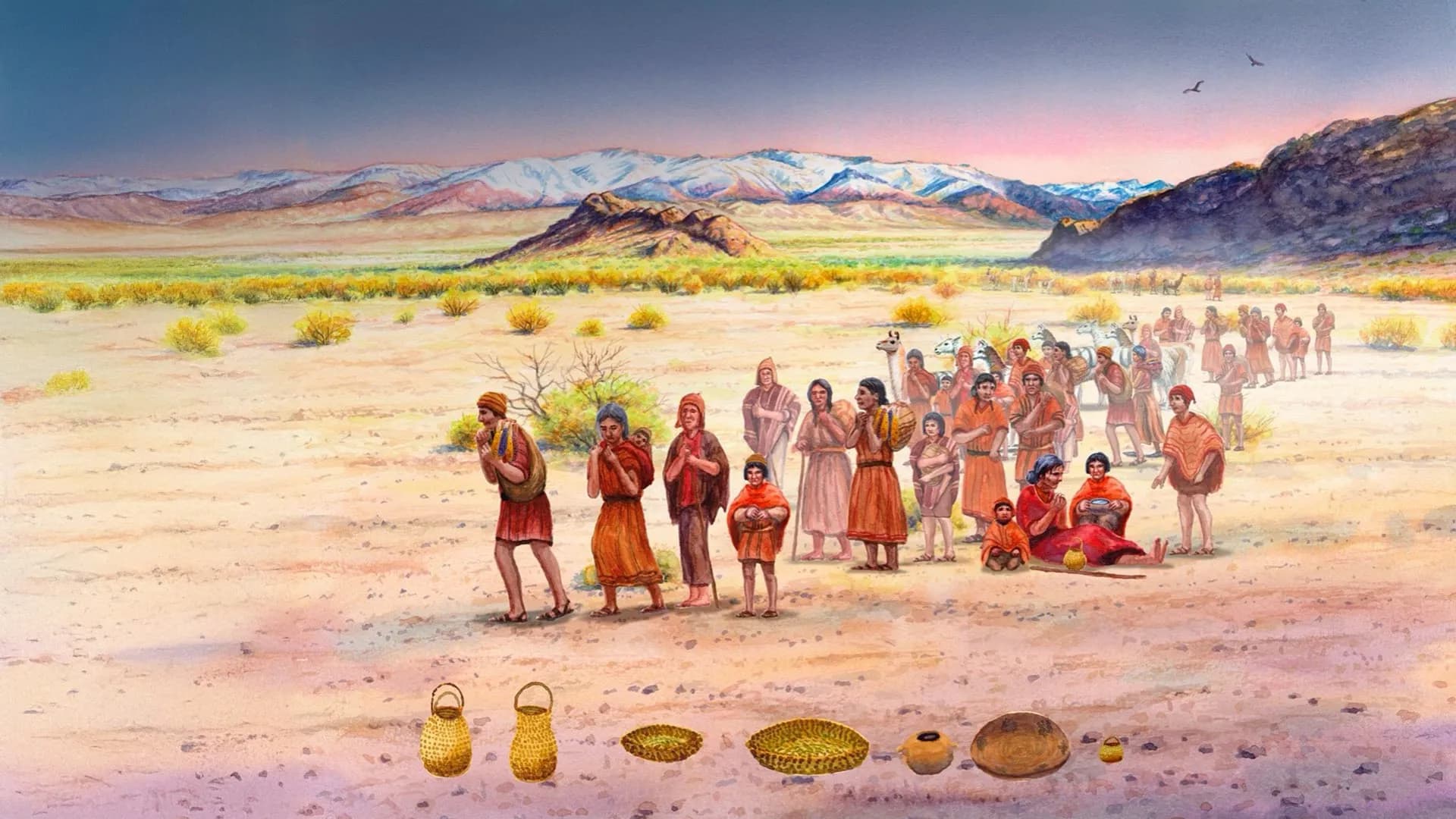
GlipzoIn a groundbreaking study published in Nature, researchers have unveiled a remarkable journey through 2,000 years of population history in Argentina's Uspallata Valley, a critical area for ancient Andean agriculture. This interdisciplinary research combines ancient human and pathogen DNA with isotopic data, archaeology, and paleoclimate records, providing fresh perspectives on how agriculture transformed societies and how communities navigated prolonged hardships. By collaborating closely with Huarpe Indigenous communities, the study highlights the transition from hunter-gatherer lifestyles to farming, the challenges faced by maize-based societies, and the strength of familial ties in enduring periods of instability.
The question of how agriculture spread remains a topic of debate among historians and archaeologists. Did it arrive through migrating farmers, or was it adopted by local groups? The archaeological record often complicates this distinction, as both scenarios can yield similar remnants. The Uspallata Valley serves as a unique case study since farming practices emerged there later than in other South American regions, allowing researchers to delve deeper into this critical question.
Leading the research were experts from the Microbial Paleogenomics Unit (MPU) at Institut Pasteur, who meticulously analyzed genome-wide ancient DNA from 46 individuals, ranging from early hunter-gatherers to subsequent farming communities. Their findings suggest a remarkable continuity in genetics between the hunter-gatherers from approximately 2,200 years ago and the maize farming population that emerged more than a millennium later. This genetic continuity strongly indicates that agriculture was predominantly adopted by local populations rather than being introduced by large groups of incoming farmers.
Pierre Luisi, co-first author of the study and a researcher at CONICET, Argentina, remarked, “Beyond the local story of Uspallata, we are also filling a gap in South American human genetic diversity by documenting a genetic component that was previously only suggested by analyzing present-day populations.” He emphasized the significance of this ancestral genetic component for understanding the region's current population and countering narratives that suggest indigenous descendants have vanished since the rise of the Argentine state.
To gain insights into the daily lives of these ancient societies, the research team analyzed stable isotopes found in human bones and teeth. The carbon and nitrogen isotopes provided critical information about long-term dietary habits, while strontium isotopes indicated individual mobility throughout their lifetimes.
The results revealed a dynamic dietary landscape, with maize consumption evolving over time. This suggests that early farmers engaged in flexible agricultural practices rather than a straightforward transition to complete agricultural reliance. However, a significant shift occurred between 800 and 600 years ago at a prominent burial site known as Potrero Las Colonias. Here, researchers noted a heavy reliance on maize, with consumption levels among the highest recorded in the southern Andes. Additionally, many individuals displayed non-local strontium signatures, hinting at migration into the area. The origins and circumstances of these migrants remain an intriguing question for further exploration.
Further investigation into the genetic and isotopic data indicated that these migrants likely came from nearby regions rather than distant lands. They were genetically related to local groups, suggesting they were part of the same broader population network. However, genomic evidence revealed a troubling trend: this group faced a sharp and prolonged population decline, signaling ongoing stress across generations.
The research points to a multifaceted crisis characterized by environmental instability. Paleoclimate records indicate extended periods of environmental upheaval that coincided with the population decline, while skeletal remains displayed signs of childhood malnutrition and disease. Furthermore, ancient DNA analyses uncovered evidence of tuberculosis, reinforcing the impact of health crises on these communities.
This study sheds light on the resilience and adaptability of ancient societies in the face of adversity. The interplay between environmental stressors and social structures, such as family connections, offers valuable lessons for contemporary societies facing similar challenges. Understanding how these ancient communities navigated crises can inform our approaches to modern issues surrounding food security and climate change.
As researchers continue to unravel the complexities of human history in the Uspallata Valley, there are several key areas to watch: - Further Genetic Studies: Continued analysis of ancient DNA may uncover more about migration patterns and genetic diversity in South America. - Environmental Research: Ongoing studies of paleoclimate data will provide deeper insights into how environmental factors influenced societal changes. - Indigenous Collaboration: Engaging with indigenous communities will be crucial in preserving and interpreting the rich history and cultural heritage of the region. - Lessons for Modern Society: The findings can guide contemporary discussions on agricultural practices and community resilience in the face of climate change.
As we look to the future, the importance of understanding the past becomes ever clearer, not just for historians but for everyone interested in the survival and adaptation of societies throughout time.

Discover how the brain protein Menin could be the key to halting cognitive decline with new research that uncovers its vital role in aging.
Indian Express
A new 'killer fungus' discovered in the UK targets invasive heath-star moss, offering hope for restoring native habitats. Will it turn the tide against invasives?
BBC Science
A Blue Origin rocket exploded during a test in Florida, prompting investigations. All personnel are safe. What does this mean for the future of space travel?
BBC Business