Glipzo
WorldTechnologyBusinessSportsEntertainmentScienceHealthPolitics
Glipzo
WorldTechnologyBusinessSportsEntertainmentScienceHealthPolitics
  1. Home
  2. /
  3. Politics
  4. /
  5. Major Bill Introduced to End Airport Privileges for Congress
Major Bill Introduced to End Airport Privileges for Congress

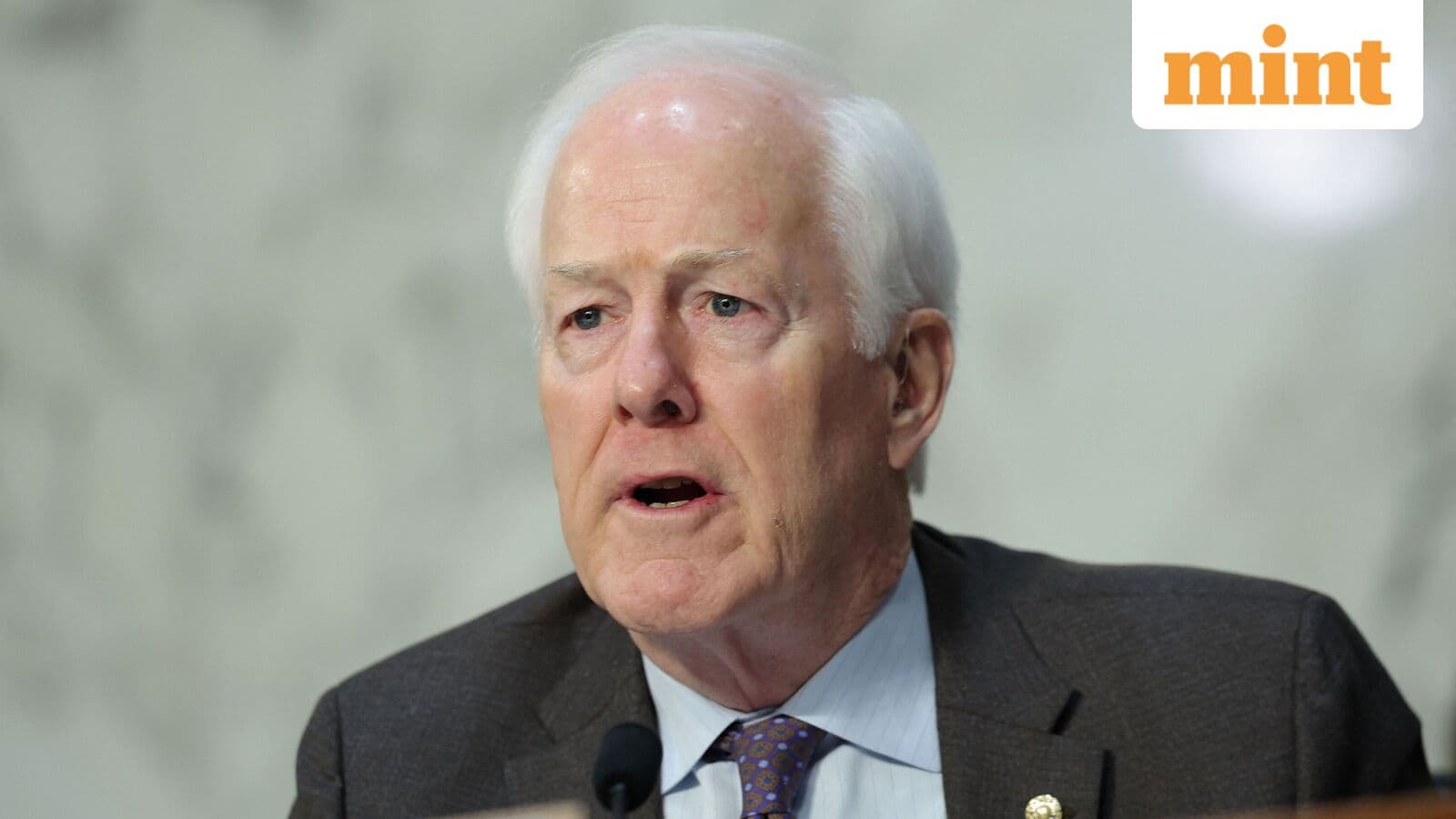
Image: Mint (Business)

Politics
Wednesday, March 18, 20264 min read

Major Bill Introduced to End Airport Privileges for Congress

Senator John Cornyn introduces a bill to eliminate special airport privileges for lawmakers, promoting equality and fairness for all travelers.

Glipzo News Desk|Source: Mint (Business)
Share
Glipzo

Key Highlights

  • Senator Cornyn's bill promotes equality at airport security.
  • Lawmakers will face the same TSA screening as all passengers.
  • The legislation bans federal funds for special airport access.
  • Calls for accountability in government resonate with the public.

In this article

  • Introduction to a Groundbreaking Proposal In a move that could reshape the way lawmakers are treated at airports, **Senator John Cornyn** has introduced a significant piece of legislation aimed at stripping members of Congress of their special airport privileges. The proposed **End Special Treatment for Congress at Airports Act** mandates that lawmakers undergo the same Transportation Security Administration (TSA) screening procedures as every other traveler. Set against the backdrop of increased scrutiny regarding travel fairness, this bill seeks to establish a level playing field for all passengers, regardless of their political status.
  • Key Provisions of the Legislation The **End Special Treatment for Congress at Airports Act** outlines several crucial components designed to ensure equality in airport security practices: - **Mandatory TSA Screening:** Members of Congress will be required to undergo standard TSA screening just like any other traveler. - **Ban on Federal Funding for Special Access:** The use of federal funds to facilitate expedited security access for lawmakers will be prohibited. - **No Bypassing Standard Procedures:** Lawmakers will no longer have the ability to evade standard screening based on their official status. - **Participation in Public Security Programs:** They will still be allowed to enroll in public programs such as TSA PreCheck. - **Maintaining TSA’s Risk-Based Programs:** The TSA retains the authority to implement risk-based security programs without interference.
  • Background: Why This Legislation Matters For years, members of Congress have enjoyed various perks at airports, including expedited screening and even “courtesy escorts” through terminals provided by TSA or airport personnel. However, these privileges have come under scrutiny, especially in light of the ongoing **partial shutdown of the Department of Homeland Security** and the accompanying staffing shortages that have led to long wait times for travelers.
  • Public Reaction and Implications As news of this legislation spreads, reactions from the public and fellow lawmakers are expected to vary. Many citizens have expressed support for the initiative, viewing it as a necessary step toward ensuring fairness and transparency in government. The push for equality at airport checkpoints resonates with a wider desire for lawmakers to demonstrate that they are not above the very rules they enforce.
  • Looking Ahead: What Does This Mean for Travelers? As this legislation progresses through Congress, it will be essential to monitor its evolution and potential impact on airport security protocols. If passed, the **End Special Treatment for Congress at Airports Act** could set a precedent for how lawmakers interact with federal systems and may inspire similar reforms in other areas of governance.

Introduction to a Groundbreaking Proposal In a move that could reshape the way lawmakers are treated at airports, **Senator John Cornyn** has introduced a significant piece of legislation aimed at stripping members of Congress of their special airport privileges. The proposed **End Special Treatment for Congress at Airports Act** mandates that lawmakers undergo the same Transportation Security Administration (TSA) screening procedures as every other traveler. Set against the backdrop of increased scrutiny regarding travel fairness, this bill seeks to establish a level playing field for all passengers, regardless of their political status.

Cornyn has made it clear that he believes no individual should enjoy preferential treatment in a democratic society. He stated, “Nobody should be above the rules and regulations imposed on the American people,” emphasizing that a lapel pin shouldn’t grant members the ability to circumvent airport security lines while average citizens wait patiently. This legislation not only aims to redefine airport security for lawmakers but also seeks to restore public trust in the system.

Key Provisions of the Legislation The **End Special Treatment for Congress at Airports Act** outlines several crucial components designed to ensure equality in airport security practices: - **Mandatory TSA Screening:** Members of Congress will be required to undergo standard TSA screening just like any other traveler. - **Ban on Federal Funding for Special Access:** The use of federal funds to facilitate expedited security access for lawmakers will be prohibited. - **No Bypassing Standard Procedures:** Lawmakers will no longer have the ability to evade standard screening based on their official status. - **Participation in Public Security Programs:** They will still be allowed to enroll in public programs such as TSA PreCheck. - **Maintaining TSA’s Risk-Based Programs:** The TSA retains the authority to implement risk-based security programs without interference.

By putting these measures in place, the bill aims to eliminate perceptions of privilege and foster a sense of fairness among all passengers navigating airport checkpoints.

Background: Why This Legislation Matters For years, members of Congress have enjoyed various perks at airports, including expedited screening and even “courtesy escorts” through terminals provided by TSA or airport personnel. However, these privileges have come under scrutiny, especially in light of the ongoing **partial shutdown of the Department of Homeland Security** and the accompanying staffing shortages that have led to long wait times for travelers.

The timing of Cornyn's proposal is particularly significant. With millions of Americans enduring extended security lines, the perceived disparities between the treatment of ordinary travelers and elected officials have become a hot-button issue. Cornyn’s initiative is not just about airport security; it represents a broader call for accountability and equality among public servants.

In a statement, Cornyn expressed his pride in introducing this legislation, urging his colleagues to join him in “restoring democracy at the TSA security line.” This call to action highlights a growing sentiment among constituents who feel that elected officials should not enjoy privileges that are inaccessible to the general public.

Public Reaction and Implications As news of this legislation spreads, reactions from the public and fellow lawmakers are expected to vary. Many citizens have expressed support for the initiative, viewing it as a necessary step toward ensuring fairness and transparency in government. The push for equality at airport checkpoints resonates with a wider desire for lawmakers to demonstrate that they are not above the very rules they enforce.

However, some politicians may resist the bill, arguing that the unique demands of their roles necessitate certain accommodations, particularly in light of heightened security concerns post-9/11. The debate surrounding the bill could ignite discussions on the broader implications of privilege in politics, especially as many Americans grapple with the impacts of government shutdowns and bureaucratic inefficiencies.

Looking Ahead: What Does This Mean for Travelers? As this legislation progresses through Congress, it will be essential to monitor its evolution and potential impact on airport security protocols. If passed, the **End Special Treatment for Congress at Airports Act** could set a precedent for how lawmakers interact with federal systems and may inspire similar reforms in other areas of governance.

Travelers will be watching closely to see if this legislation successfully levels the playing field at airports, potentially leading to shorter wait times and a more efficient screening process for everyone.

In conclusion, Senator Cornyn's initiative represents a pivotal moment in the ongoing conversation about government accountability and public trust. As the debate unfolds, it will be crucial to consider how such reforms can enhance the travel experience for all citizens, ensuring that everyone is treated equally, regardless of their status.

Stay tuned for further developments on this important legislative initiative and its implications for travelers across the nation.

Did you find this article useful? Share it!

Share

Related Articles

Major Milestone: Indonesia Finally Recognizes Domestic Workers
Politics
Apr 22, 2026

Major Milestone: Indonesia Finally Recognizes Domestic Workers

Indonesia's new law recognizes domestic workers' rights after 22 years. Discover how this legislative change impacts millions and what comes next.

BBC World
Japan's Major Shift: Arms Export Restrictions Eased
Politics
Apr 22, 2026

Japan's Major Shift: Arms Export Restrictions Eased

Japan has relaxed arms export rules, marking a major shift from post-WW2 pacifism amid rising regional tensions. What does this mean for global security?

BBC World
Shocking Mass Trial of 486 Alleged MS-13 Gang Members in El Salvador
Politics
Apr 22, 2026

Shocking Mass Trial of 486 Alleged MS-13 Gang Members in El Salvador

El Salvador's mass trial of 486 alleged MS-13 gang members raises critical questions about justice, human rights, and the fight against crime. What’s next?

BBC World

Categories

  • World
  • Technology
  • Business
  • Sports

More

  • Entertainment
  • Science
  • Health
  • Politics

Explore

  • Web Stories
  • About Us
  • Contact

Legal

  • Privacy Policy
  • Terms of Service

© 2026 Glipzo. All rights reserved.