Glipzo
WorldTechnologyBusinessSportsEntertainmentScienceHealthPolitics
Glipzo
WorldTechnologyBusinessSportsEntertainmentScienceHealthPolitics
  1. Home
  2. /
  3. Science
  4. /
  5. Major 6.7 Magnitude Earthquake Hits South Shetland Islands
Major 6.7 Magnitude Earthquake Hits South Shetland Islands

Image: Mint (Business)

Science
Friday, March 20, 20263 min read

Major 6.7 Magnitude Earthquake Hits South Shetland Islands

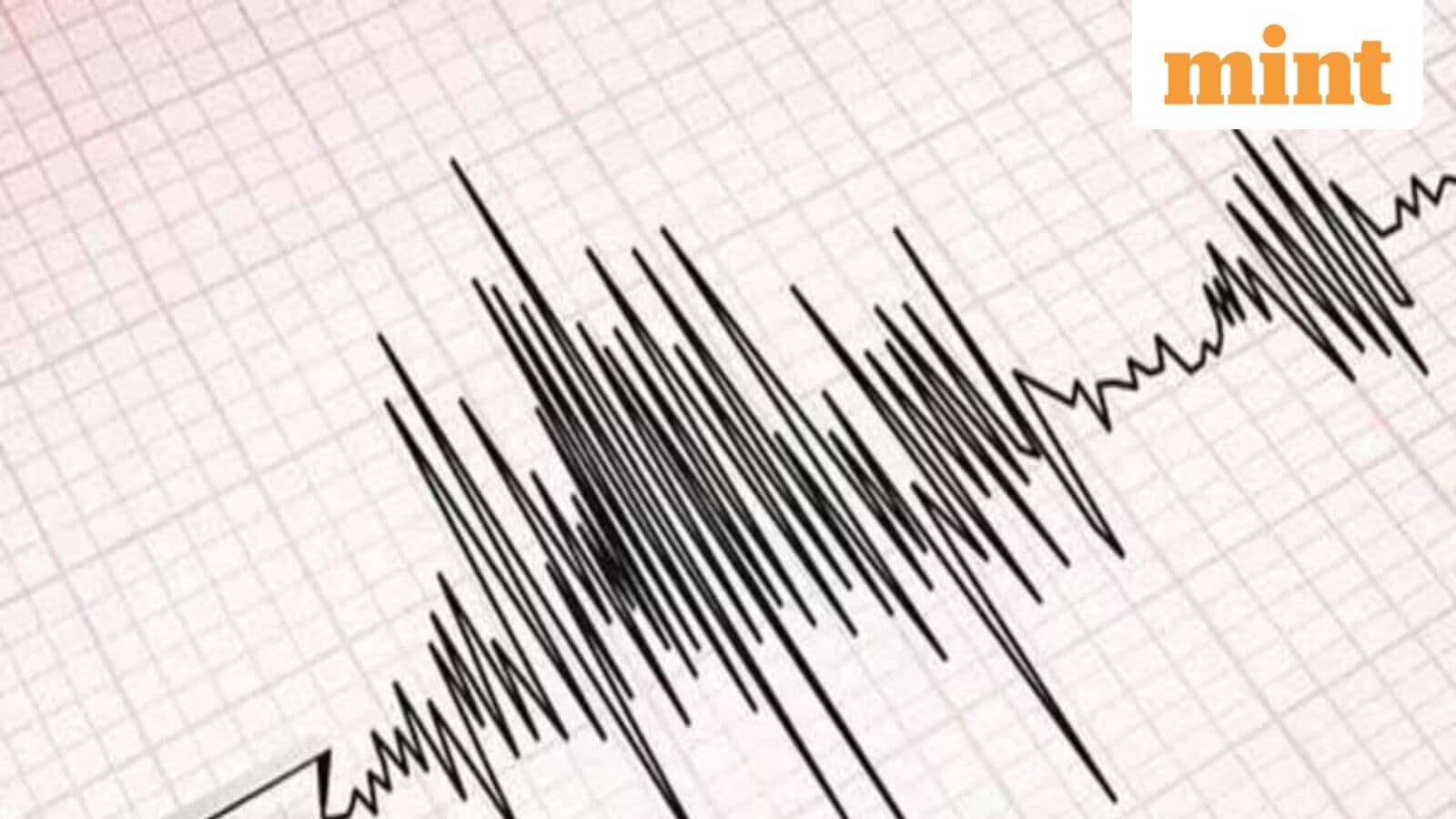
A magnitude 6.7 earthquake struck the South Shetland Islands. No tsunami threat detected. Learn more about its implications and future monitoring.

Glipzo News Desk|Source: Mint (Business)
Share
Glipzo

Key Highlights

  • A magnitude 6.7 quake hit South Shetland Islands on Thursday.
  • The earthquake occurred at a depth of 10 km, no tsunami threat.
  • Antarctica's seismic activity could affect global sea levels.
  • Research institutions are critical for monitoring earthquakes.
  • Future monitoring is essential for understanding geological impacts.

In this article

  • A Powerful Earthquake Shakes the South Shetland Islands On **Thursday**, a powerful **magnitude 6.7 earthquake** struck the **South Shetland Islands**, located off the coast of Antarctica. This seismic event, reported by the **German Research Centre for Geosciences (GFZ)**, has raised concerns among researchers and environmentalists alike. The earthquake occurred at a depth of **10 kilometers (6.21 miles)**, making it a significant event in the region known for its seismic activity.
  • No Tsunami Threat Detected According to the **U.S. Tsunami Warning System**, there is currently no tsunami threat associated with this earthquake. This news is a relief to scientists and residents in the area, as tsunamis can cause devastating damage to coastal communities. The absence of a tsunami warning allows for a sense of stability, despite the earthquake's strength.
  • Understanding the Region's Seismic Activity The **South Shetland Islands** are no stranger to seismic events, as they lie within the **Ring of Fire**, an area in the Pacific Ocean where a large number of earthquakes and volcanic eruptions occur. This particular earthquake, while strong, is part of a pattern of natural geological processes that frequently affect this remote region.
  • Why It Matters: The Implications of Earthquakes in Antarctica The occurrence of such earthquakes in **Antarctica** is significant for several reasons. First, it highlights the ongoing geological changes in the region, which can impact global sea levels and climate patterns. As ice sheets and glaciers respond to seismic activities, the potential for changes in ice mass and subsequent rising sea levels becomes a pressing concern for scientists.
  • The Role of Research Institutions Institutions like the **GFZ** play a crucial role in monitoring seismic activity across the globe. Their ability to detect and analyze earthquakes helps in understanding how these events affect the environment and human activities. Continuous monitoring is essential to prepare for future seismic occurrences and to assess any potential risks associated with them.
  • What’s Next: Keeping an Eye on Future Activity As the world continues to grapple with the implications of climate change and geological activity, monitoring the South Shetland Islands becomes increasingly important. Researchers will be keeping a close watch on the region for any aftershocks or further seismic activity that might arise as a result of this earthquake.
  • Conclusion: A Call for Awareness While this particular earthquake did not pose an immediate threat, it serves as a reminder of the dynamic nature of our planet. The South Shetland Islands are a critical area for research, and understanding the seismic activity there is vital for predicting future events. As climate change continues to affect our world, the implications of geological activity in places like Antarctica could have far-reaching consequences.

A Powerful Earthquake Shakes the South Shetland Islands On **Thursday**, a powerful **magnitude 6.7 earthquake** struck the **South Shetland Islands**, located off the coast of Antarctica. This seismic event, reported by the **German Research Centre for Geosciences (GFZ)**, has raised concerns among researchers and environmentalists alike. The earthquake occurred at a depth of **10 kilometers (6.21 miles)**, making it a significant event in the region known for its seismic activity.

No Tsunami Threat Detected According to the **U.S. Tsunami Warning System**, there is currently no tsunami threat associated with this earthquake. This news is a relief to scientists and residents in the area, as tsunamis can cause devastating damage to coastal communities. The absence of a tsunami warning allows for a sense of stability, despite the earthquake's strength.

Understanding the Region's Seismic Activity The **South Shetland Islands** are no stranger to seismic events, as they lie within the **Ring of Fire**, an area in the Pacific Ocean where a large number of earthquakes and volcanic eruptions occur. This particular earthquake, while strong, is part of a pattern of natural geological processes that frequently affect this remote region.

  • **Key Facts about the Earthquake:**

Why It Matters: The Implications of Earthquakes in Antarctica The occurrence of such earthquakes in **Antarctica** is significant for several reasons. First, it highlights the ongoing geological changes in the region, which can impact global sea levels and climate patterns. As ice sheets and glaciers respond to seismic activities, the potential for changes in ice mass and subsequent rising sea levels becomes a pressing concern for scientists.

The Role of Research Institutions Institutions like the **GFZ** play a crucial role in monitoring seismic activity across the globe. Their ability to detect and analyze earthquakes helps in understanding how these events affect the environment and human activities. Continuous monitoring is essential to prepare for future seismic occurrences and to assess any potential risks associated with them.

What’s Next: Keeping an Eye on Future Activity As the world continues to grapple with the implications of climate change and geological activity, monitoring the South Shetland Islands becomes increasingly important. Researchers will be keeping a close watch on the region for any aftershocks or further seismic activity that might arise as a result of this earthquake.

  • **What to Watch For:**

Conclusion: A Call for Awareness While this particular earthquake did not pose an immediate threat, it serves as a reminder of the dynamic nature of our planet. The South Shetland Islands are a critical area for research, and understanding the seismic activity there is vital for predicting future events. As climate change continues to affect our world, the implications of geological activity in places like Antarctica could have far-reaching consequences.

In the coming weeks, staying informed about seismic activities in the region will be essential. Researchers will likely release further analyses that could shed light on how such earthquakes can impact the environment and what measures can be taken to mitigate potential risks.

Did you find this article useful? Share it!

Share

Related Articles

Exclusive Footage: Historic Hatch Opening of Artemis II Orion
Science
Apr 15, 2026

Exclusive Footage: Historic Hatch Opening of Artemis II Orion

Catch the historic moment as the hatch of Artemis II's Orion capsule opens, reuniting astronauts with a cheering recovery crew after their groundbreaking mission.

BBC Science
Critical Consultation for Golden Eagle Reintroduction in England
Science
Apr 14, 2026

Critical Consultation for Golden Eagle Reintroduction in England

Discover the critical consultation for the golden eagle reintroduction in northern England, aiming to restore this majestic species by 2027.

BBC Science
Transforming Coastal Ecosystems with Floating Wetlands
Science
Apr 14, 2026

Transforming Coastal Ecosystems with Floating Wetlands

Discover how floating wetlands aim to restore vital coastal ecosystems in the UK, offering a sustainable solution to environmental degradation.

BBC Science

Categories

  • World
  • Technology
  • Business
  • Sports

More

  • Entertainment
  • Science
  • Health
  • Politics

Explore

  • Web Stories
  • About Us
  • Contact

Legal

  • Privacy Policy
  • Terms of Service

© 2026 Glipzo. All rights reserved.