
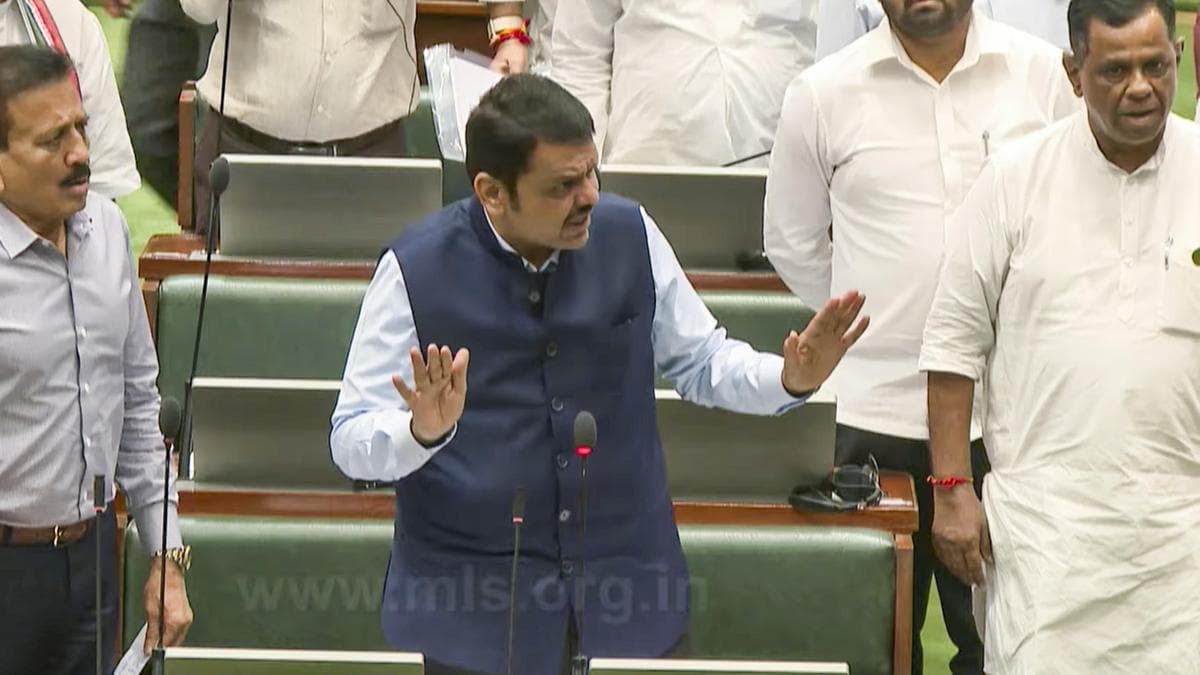
Image: The Hindu
Maharashtra's Freedom of Religion Bill passes with surprising support from opposition parties. What does this mean for religious freedom in India? Find out more.
GlipzoOn March 16, 2026, Maharashtra's legislature made a pivotal move by passing the Freedom of Religion Bill, a significant piece of legislation aimed at curbing forced conversions. This follows a budget session where the bill swiftly moved through both houses, with the Legislative Assembly approving it on the 16th and the Legislative Council following suit on the 17th. Once the Governor provides his assent, Maharashtra will become the 13th state in India to enact laws against forced conversions, a topic that has sparked heated debates across the political spectrum.
What is particularly noteworthy about this legislative process is the unexpected backing from opposition parties, including the Shiv Sena UBT and the NCP SP. Their support has raised eyebrows, especially given the typical contentious nature of such bills. The dynamics of opposition were also intriguing; many parties chose to abstain from voting during the crucial voice votes, indicating a complex relationship with the bill.
The Freedom of Religion Bill's passage comes amidst ongoing discussions about religious freedom and the protection of individual rights in India. Advocates for the bill argue that it is essential to prevent coercion and protect vulnerable populations from being forced into religious conversions. However, critics warn that such legislation could infringe upon constitutional rights to religious freedom.
During the discussions in the Maharashtra Legislative Assembly, several concerns emerged:
While most opposition parties, including the Shiv Sena (UBT), lent their support to the bill, the Congress and the Samajwadi Party stood in opposition. The Shiv Sena's backing came as a surprise to many, as they articulated their view that the bill does not target any specific religion. Bhaskar Jadhav, an MLA from Shiv Sena (UBT), stated, "We support the bill. It does not mention any particular religion. Humans have made religion; religion hasn’t made humans. There is nothing wrong with the bill. I welcome it with open arms."
In sharp contrast, Congress MLA Aslam Sheikh voiced strong dissent, questioning the necessity of a new law when existing provisions could effectively address the issue of forced conversions. He asked the government, "What is the need to bring about such a bill? Is it to target a particular community?"
The Nationalist Congress Party (NCP) displayed a complex stance during the legislative debates. While the party is part of the ruling coalition, its ally expressed reservations in the upper house. NCP (SP) members supported the bill but raised concerns about its implications, indicating a cautious approach towards the legislation.
In a notable exchange, Shiv Sena (UBT) MLC Anil Parab brought forward critical questions regarding the state's obligation to ensure basic services like education and healthcare to prevent coercion in religious conversions. This highlighted a broader issue of social responsibility alongside legislative measures.
The passage of the Freedom of Religion Bill is a significant moment in Maharashtra's political landscape, reflecting a delicate balance between protecting individual rights and addressing societal concerns about coercion in religious practices. The bill's implications extend beyond Maharashtra, potentially influencing similar legislative efforts in other states across India.
As Maharashtra prepares for the Governor’s approval, several points remain under scrutiny:
The ongoing discourse surrounding the Freedom of Religion Bill underscores the tension between legislative action and the preservation of individual freedoms, a core tenet of Indian democracy. As citizens and political entities continue to engage with these issues, the outcomes will be pivotal in shaping the future of religious freedom in India.
The Freedom of Religion Bill's passage in the Maharashtra assembly marks an important chapter in India's legislative framework concerning religious practices. With a blend of support and concern from various political factions, it is clear that the debate over forced conversions will remain a prominent issue in Indian politics. As the bill awaits the Governor's approval, all eyes will be on its potential implications and the responses it elicits from the public and political spectrum at large.

Tensions soar as the US and Iran engage in air strikes near the Strait of Hormuz, raising concerns over global oil supply and regional stability.
BBC World
Trump's international interventions face serious stalemates. What will this mean for U.S. foreign policy? Explore the critical challenges ahead.
Indian Express
Tehran denies resignation of President Masoud Pezeshkian amid claims of IRGC influence. What does this mean for Iran's political stability? Click to learn more!
Indian Express