

Image: Indian Express
Major discrepancies in West Bengal voter rolls raise concerns. Can over 20 million households uplift their status by quitting tobacco? Explore the impact.
GlipzoWest Bengal is currently facing a significant controversy as the Election Commission of India (EC) has flagged over 1.36 crore names for having what it terms ‘logical discrepancies’ in the electoral rolls. This alarming situation means that many individuals who have been part of the electoral system since 2002 will find themselves unable to vote in the upcoming Assembly elections. The implications of this decision are profound, as it could disenfranchise millions of citizens across the state.
The EC’s methodology has raised eyebrows, especially since this classification of voters is unprecedented. This new approach has left many eligible voters confused and frustrated, prompting discussions around the transparency and reliability of the electoral process. The stakes are high as these elections will play a critical role in shaping the political landscape of West Bengal.
According to the EC, the term ‘logical discrepancy’ refers to inconsistencies found in voter registration data. Of the 1.36 crore names reviewed, 60.06 lakh have been placed under scrutiny, leading to a staggering 27.10 lakh deletions following adjudication. This unprecedented action has drawn criticism from former chief election commissioners and political analysts alike, who argue that such a large-scale removal of voters is not just unusual but potentially damaging to democracy.
In a separate yet equally important matter, a recent study published in BMJ Global Health highlights the economic implications of tobacco consumption in India. The findings reveal that more than 20.49 million Indian households could elevate their economic status simply by redirecting their tobacco expenditures towards essential needs. This shift could potentially uplift 10.6% of households out of lower income brackets, showcasing the vast economic potential of reducing tobacco use.
The study emphasizes that rural families, who spend a larger proportion of their income on tobacco compared to urban dwellers (6.6% vs. 5.6%), are particularly vulnerable. The analysis suggests that 7.12 million lower-middle-income households could significantly benefit from ceasing tobacco use, highlighting a critical public health and economic issue that could transform lives across the nation.
Amid these domestic issues, international tensions are reshaping energy dynamics in the Gulf region. As Tehran continues to assert control over the Strait of Hormuz, a crucial passage for global oil and gas shipments, Gulf nations including the United Arab Emirates and Saudi Arabia are accelerating efforts to enhance their infrastructure. This strategic pivot comes as a response to the ongoing conflict in West Asia, which has dramatically affected global oil supply chains.
The implications of these geopolitical maneuvers are substantial: - Gulf states are exploring collaborations to revive old pipelines and construct new ones, aiming to reduce their vulnerability to external threats. - The global economic landscape is already shifting, with a notable increase in coal usage and a renewed commitment to renewable energy sources, especially in Asia. - The crisis has underscored the fragility of global energy supplies, as a relatively small area can disrupt the entire market, impacting economies worldwide.
In Tamil Nadu, a unique bond between Hindus and Muslims in the town of Thiruparankundram has been highlighted, showcasing a harmonious relationship amidst recent tensions. The colloquial term “mama-machan” symbolizes the close ties between communities, even as they navigate challenges posed by religious disputes and property disagreements. The recent calmness in the area, particularly ahead of the Assembly elections, reflects a community determined to maintain peace and unity despite external pressures.
As India approaches a pivotal election season, the issues surrounding voter disenfranchisement, economic disparities due to tobacco use, and geopolitical tensions in energy supply chains continue to unfold. The Election Commission must address the concerns regarding voter eligibility transparently, while also ensuring that electoral integrity is maintained. Additionally, the findings from the tobacco study could inform public health policies aimed at economic upliftment.
On the international front, the Gulf states’ response to geopolitical challenges will likely influence global energy dynamics for years to come. As countries adapt to these changes, we can expect ongoing debates around energy consumption patterns and their socioeconomic impacts. The coming months will be crucial for monitoring how these issues evolve and shape the future of India and its place in the global arena.
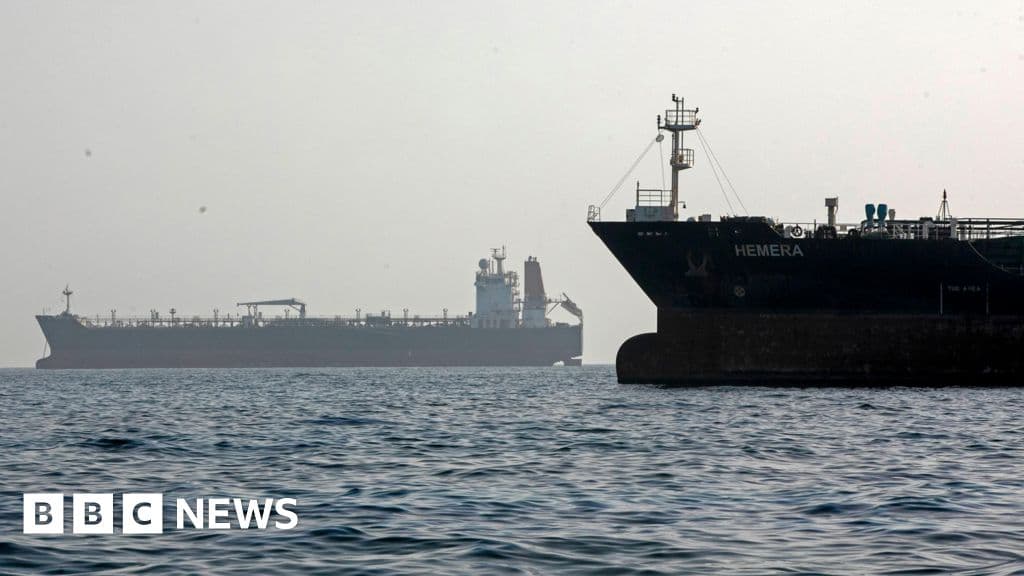
Tensions soar as the US and Iran engage in air strikes near the Strait of Hormuz, raising concerns over global oil supply and regional stability.
BBC World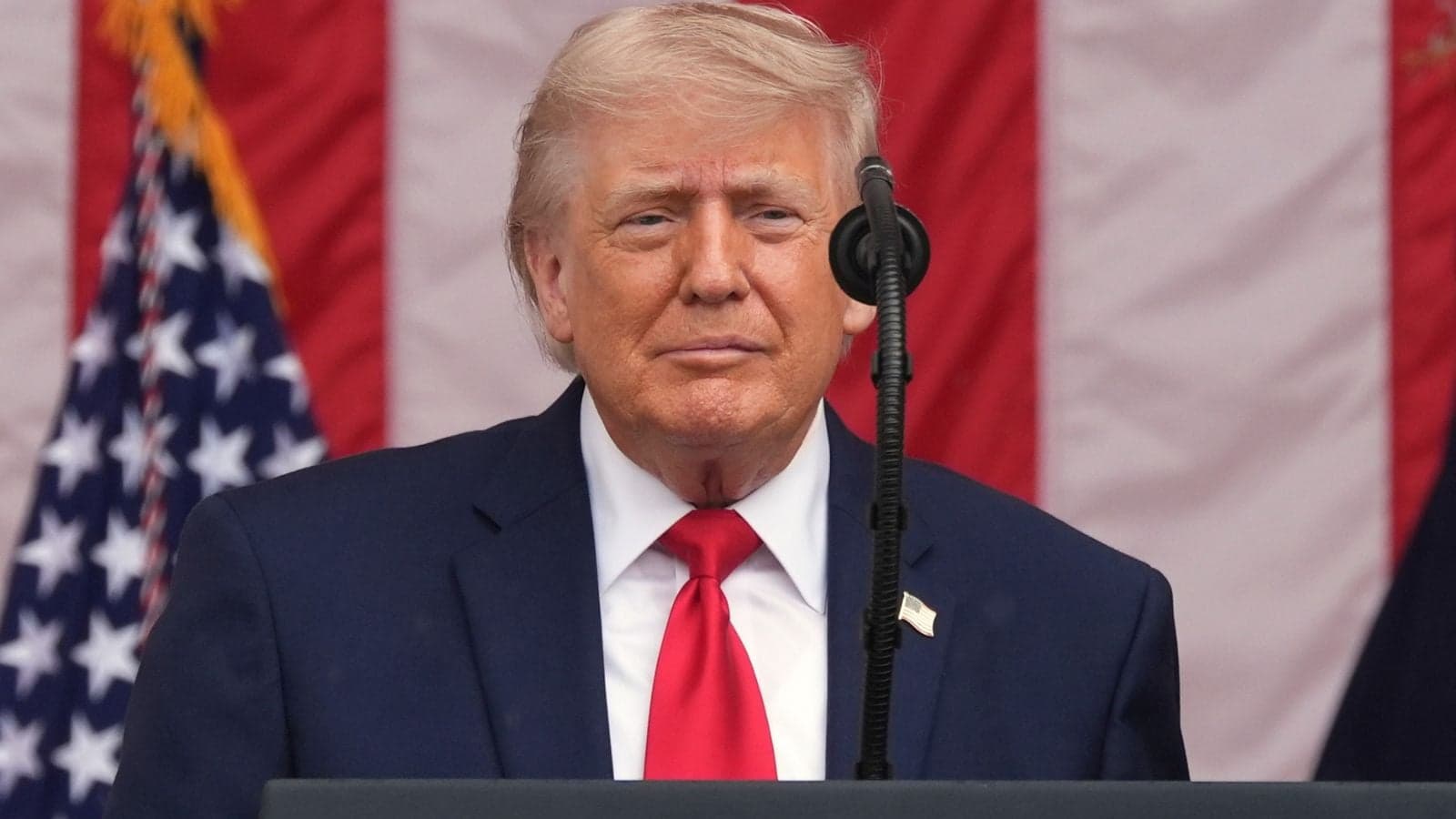
Trump's international interventions face serious stalemates. What will this mean for U.S. foreign policy? Explore the critical challenges ahead.
Indian Express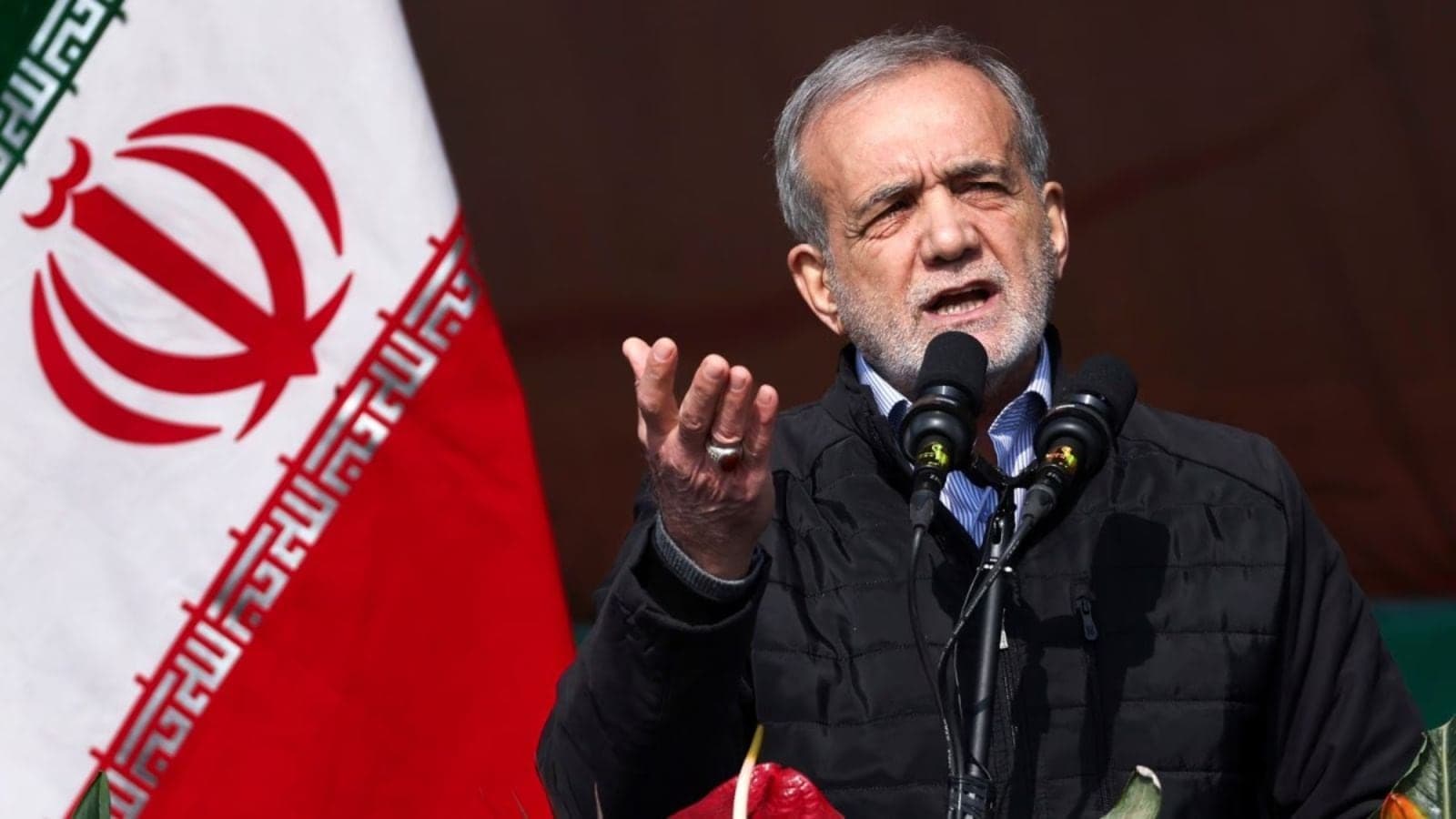
Tehran denies resignation of President Masoud Pezeshkian amid claims of IRGC influence. What does this mean for Iran's political stability? Click to learn more!
Indian Express