
Image: BBC Science
Cornwall Council plans to reintroduce glyphosate for weed control, facing backlash from locals concerned about health and environmental impacts. What’s next?
GlipzoIn a significant development concerning local environmental policy, Cornwall Council has announced plans to reintroduce the use of glyphosate, a controversial weedkiller, after a decade-long hiatus. This decision, set to take effect next month, has ignited a wave of public concern regarding the potential health and environmental impacts of this chemical.
The council aims to use glyphosate in a targeted and diluted form for maintaining local highways. However, residents, environmental activists, and local leaders have raised alarms about the implications of this move, expressing fears over its safety and the timeline for towns and villages to opt out of the program.
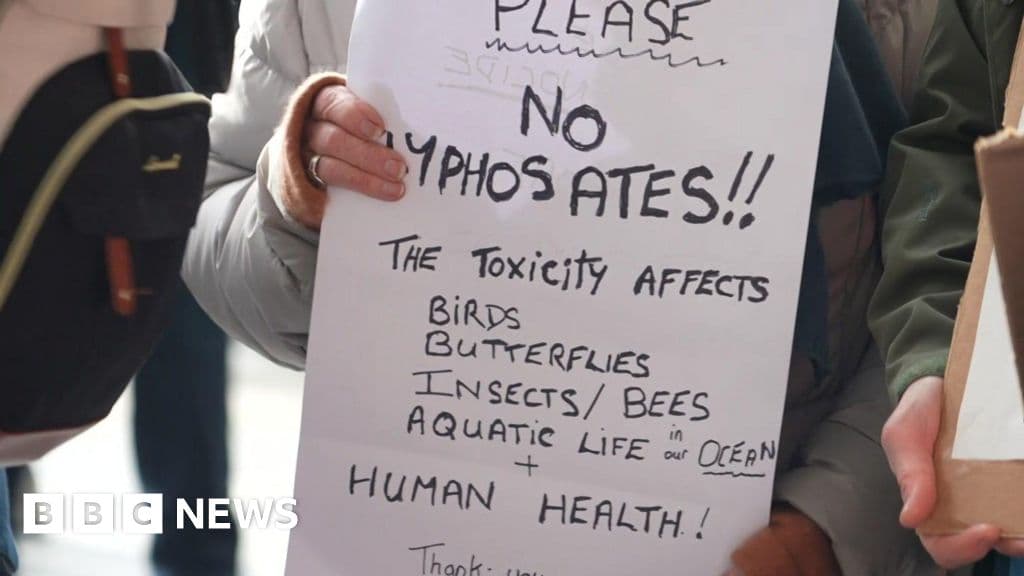
The council's announcement has been met with strong opposition, highlighted by demonstrations outside the council’s headquarters in Truro during the full council meeting. Activists and concerned citizens gathered to voice their objections, emphasizing the need for thorough consideration of alternative weed control methods.
Drew Creek, the leader of the Green group, articulated the concerns of many, stressing that the reintroduction of glyphosate poses risks not only to environmental health but also to public safety. Creek expressed hope that the council would engage in collaborative discussions with local town and parish councils to explore more sustainable options for weed management.
The debate surrounding glyphosate is underscored by political tensions within the council. Kate Ewert, the leader of the Labour group, criticized the council for allegedly sidelining smaller councils in the decision-making process. She described the situation as akin to holding a gun to their heads, stating that they had insufficient time to devise alternative plans before being pressured to opt into the glyphosate program. Ewert's comments reflect a broader frustration among local leaders who feel their voices have been neglected.
In the wake of the protests and advisory motions passed by members during the meeting, Loic Rich, the cabinet portfolio holder for the environment, acknowledged the “clear message” emerging from the council. He affirmed that the authority would heed the concerns raised by the community.
Rich stated, “I just don’t think we could ignore that,” emphasizing the need for the council to reconsider its approach based on the feedback from towns and parishes across Cornwall. The cabinet’s commitment to listening suggests that there may still be room for negotiation and alternative solutions.
The reintroduction of glyphosate in Cornwall raises important questions about the balance between effective weed control and public health. Glyphosate has been at the center of numerous debates globally due to its classification as a possible carcinogen by the International Agency for Research on Cancer. As communities grapple with the decision to reinstate its use, this situation serves as a critical case study in the ongoing conflict between agricultural practices, environmental stewardship, and public health considerations.
Moreover, the outcome of this situation could set a precedent for other councils facing similar dilemmas. If Cornwall Council reconsiders its decision in light of community feedback, it may encourage other local authorities to prioritize public opinion and environmental health in their policy decisions. Conversely, a failure to adequately address these concerns could lead to increased public dissent and further demonstrations, potentially impacting the council's reputation and future decision-making processes.
As the council prepares to move forward, the community is left wondering about the next steps. Will they take the concerns seriously and explore alternative methods of weed control? Or will they proceed with their original plan, disregarding the voices of those they serve? The coming weeks will be crucial in determining the path forward for Cornwall and its approach to environmental management.
In conclusion, Cornwall Council's decision to reintroduce glyphosate is a complex issue that encapsulates the challenges faced by local governments in balancing effective weed management with the health and safety of their constituents. As discussions continue, all eyes will be on how the council navigates this contentious issue and whether they will take meaningful steps to address the significant concerns raised by residents and environmental advocates alike.

Tensions soar as the US and Iran engage in air strikes near the Strait of Hormuz, raising concerns over global oil supply and regional stability.
BBC World
Trump's international interventions face serious stalemates. What will this mean for U.S. foreign policy? Explore the critical challenges ahead.
Indian Express
Tehran denies resignation of President Masoud Pezeshkian amid claims of IRGC influence. What does this mean for Iran's political stability? Click to learn more!
Indian Express