
Image: Mint (Business)
TSA wait times soar as staff shortages hit major airports due to a government shutdown. Discover the impact on air travel and what's next.
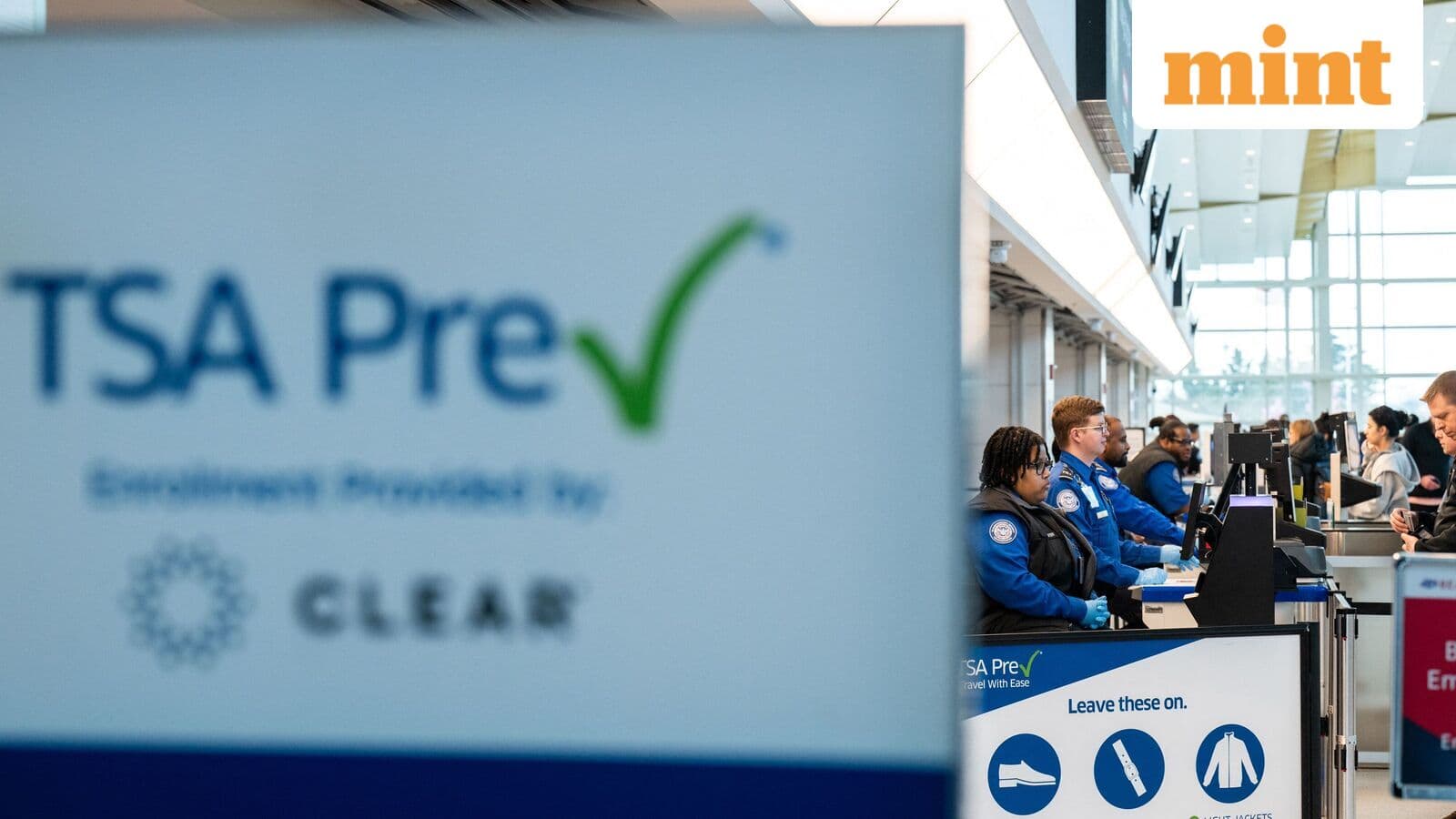
GlipzoSecurity lines at U.S. airports are becoming increasingly lengthy, with travelers facing significant delays due to staff shortages stemming from a partial government shutdown. As of March 18, some airports are experiencing wait times that could stretch passengers' patience to the limit, while others remain relatively manageable. Notably, George Bush Intercontinental Airport has seen delays of up to 120 minutes, raising alarms for travelers planning their journeys.
The situation is critical at several major travel hubs. As of 9:48 AM ET, Dallas Fort Worth International Airport reported an average wait time of 40 minutes, while Salt Lake City International Airport recorded a delay of 39 minutes at 9:51 AM ET. Other airports such as Orlando International Airport and Newark Liberty International Airport faced moderate delays, with wait times of 32 minutes and 28 minutes, respectively.
In New York, John F. Kennedy International Airport and LaGuardia Airport also contributed to the trend, with delays of 23 minutes and 22 minutes, respectively, at around 9:50 AM ET. The disparities in wait times across the country highlight the unequal impact of staffing shortages on air travel and the urgency for a resolution.
The prolonged security lines can be traced back to a partial government shutdown, which has been in effect since mid-February. This shutdown has disrupted operations at the Transportation Security Administration (TSA), leaving approximately 50,000 TSA officers working without pay. This has led to a nationwide absenteeism rate exceeding 10%, with even higher rates at major airports like John F. Kennedy and Hartsfield-Jackson Atlanta International Airport.
The staffing crisis has compelled some airports to close checkpoints temporarily, exacerbating the delays. Furthermore, over 300 TSA personnel have resigned during the shutdown, raising concerns about the ability to manage security effectively as passenger numbers increase. Authorities have indicated that if the crisis continues, smaller airports may face the risk of temporary closures as well.
The ongoing delays and operational challenges at the TSA are part of a larger political impasse regarding funding for the Department of Homeland Security (DHS). Funding for the DHS lapsed on February 13 after Congress could not reach an agreement on immigration reforms. The deadlock has left TSA operations underfunded, contributing to the current crisis.
Democrats have stated that they will block further DHS funding until new restrictions are imposed on federal immigration actions, particularly in light of the recent tragic shootings of Alex Pretti and Renée Good. This political standoff is not just about budgets; it’s about national security and public safety, as the TSA plays a critical role in ensuring the safety of air travel in the U.S.
This current shutdown marks the third significant disruption to TSA operations within the past year. Each incident has left TSA workers unpaid, with promises of back pay only forthcoming once the government reopens. This ongoing uncertainty not only affects TSA employees but also has broader implications for air travel safety and efficiency.
As the political deadlock continues, travelers should prepare for the likelihood of more extended security wait times at airports across the nation. The TSA and airport authorities are urging Congress to act quickly to resolve the funding issues to restore normal operations. The potential for smaller airport closures adds another layer of complexity to the situation, making it crucial for travelers to stay informed about current conditions and plan accordingly.
In the coming days, observers should watch for any developments in Congress regarding DHS funding and potential resolutions to the staffing crisis at the TSA. The stakes are high—not only for the travel industry but also for the safety and security of all air travelers in the United States.

Tensions soar as the US and Iran engage in air strikes near the Strait of Hormuz, raising concerns over global oil supply and regional stability.
BBC World
Trump's international interventions face serious stalemates. What will this mean for U.S. foreign policy? Explore the critical challenges ahead.
Indian Express
Tehran denies resignation of President Masoud Pezeshkian amid claims of IRGC influence. What does this mean for Iran's political stability? Click to learn more!
Indian Express