
Image: The Hindu
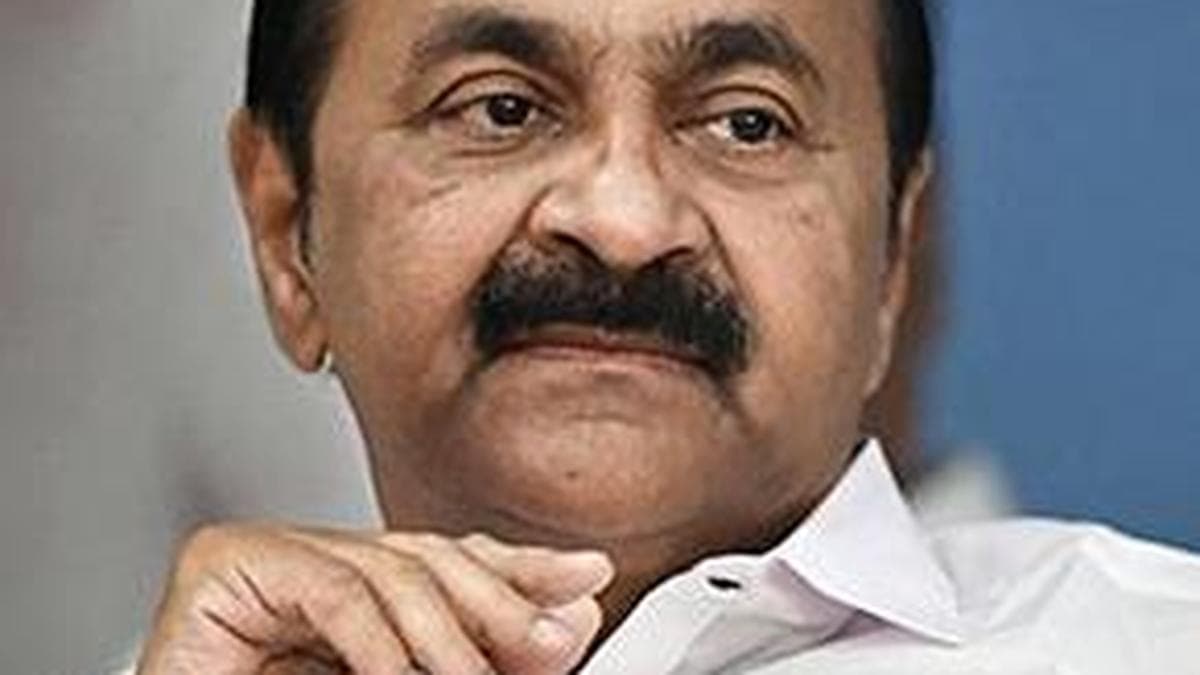
Kerala's V.D. Satheesan calls for the removal of LDF hoardings, citing Model Code of Conduct violations as assembly elections approach. What will the EC decide?
GlipzoIn a significant move ahead of the 2026 Kerala Assembly elections, Leader of the Opposition V.D. Satheesan has formally requested the Election Commission of India (EC) to remove all hoardings and advertisements that celebrate the achievements of the Left Democratic Front (LDF) government. His appeal, made on March 18, 2026, underscores concerns regarding the integrity of the electoral process in Kerala.
Satheesan's complaint was directed to Rathan U. Kelkar, the Chief Electoral Officer of Kerala. He emphasized that the presence of these promotional materials in public spaces constitutes a breach of the Model Code of Conduct (MCC), which is designed to ensure a level playing field for all political parties during elections.
In his statement, Satheesan pointed out that these advertisements create an “uneven playing field” that could sway voters and undermine the fairness of the electoral process. He expressed alarm over the visible government promotions on Kerala State Road Transport Corporation (KSRTC) buses and in various public areas, which he claims violate the MCC guidelines that mandate the immediate removal of such content once elections are announced.
V.D. Satheesan not only called for the removal of the hoardings but also urged the EC to take action against those responsible for these apparent breaches of conduct. He proposed the implementation of strong monitoring mechanisms to prevent any future violations, underscoring the need for strict adherence to the MCC as the election date approaches.
The Congress party, which Satheesan represents, had previously raised this issue during a meeting with political parties convened by Kelkar on March 16, 2026. During that meeting, members of the Communist Party of India (Marxist) (CPI(M)) suggested that the Election Commission should adopt a practical approach to the matter, indicating that actions taken against state advertisements should consider the implications for Union government promotions displayed on trains.
The Model Code of Conduct is a crucial element of India's electoral framework, aimed at ensuring free and fair elections. It prohibits the ruling party from using government resources for campaigning and mandates the removal of any government publicity once the election process officially begins. By raising these concerns, Satheesan is highlighting the potential risks to democracy posed by non-compliance with these regulations.
The ongoing visibility of government advertisements during the election period can significantly impact voters' perceptions, potentially leading to biases that affect electoral outcomes. This situation calls for immediate attention to maintain the integrity of the electoral process in Kerala.
As the situation unfolds, it is crucial to monitor the response from the Election Commission of India. Will they take decisive action to uphold the MCC, or will the government hoardings remain in place, potentially influencing voter decisions? The outcome of this conflict will not only impact the upcoming elections but also set a precedent for how electoral conduct is managed in the future.
Political observers should keep an eye on: - The EC's decision regarding the removal of the hoardings. - Potential repercussions for those found violating the MCC. - How the situation may evolve in the lead-up to the elections, especially as other parties may weigh in on the matter.
The stakes are high, and the integrity of the electoral process in Kerala hangs in the balance as these developments unfold. As the opposition presses for accountability, the response from the ruling party and the Election Commission will be critical in shaping the electoral landscape ahead of the elections.
In conclusion, the actions taken by the Election Commission in response to Satheesan's allegations will be pivotal. The outcome could influence not just the immediate electoral competition in Kerala but also the broader discourse on electoral integrity across India. With the assembly elections looming, all eyes will be on how electoral authorities enforce the Model Code of Conduct in a region known for its vibrant political activity.

Tensions soar as the US and Iran engage in air strikes near the Strait of Hormuz, raising concerns over global oil supply and regional stability.
BBC World
Trump's international interventions face serious stalemates. What will this mean for U.S. foreign policy? Explore the critical challenges ahead.
Indian Express
Tehran denies resignation of President Masoud Pezeshkian amid claims of IRGC influence. What does this mean for Iran's political stability? Click to learn more!
Indian Express