
Image: Mint (Business)
Kangana Ranaut sharply criticizes Rahul Gandhi as a 'tapori,' claiming women feel uncomfortable around him. This exchange raises questions about political conduct.
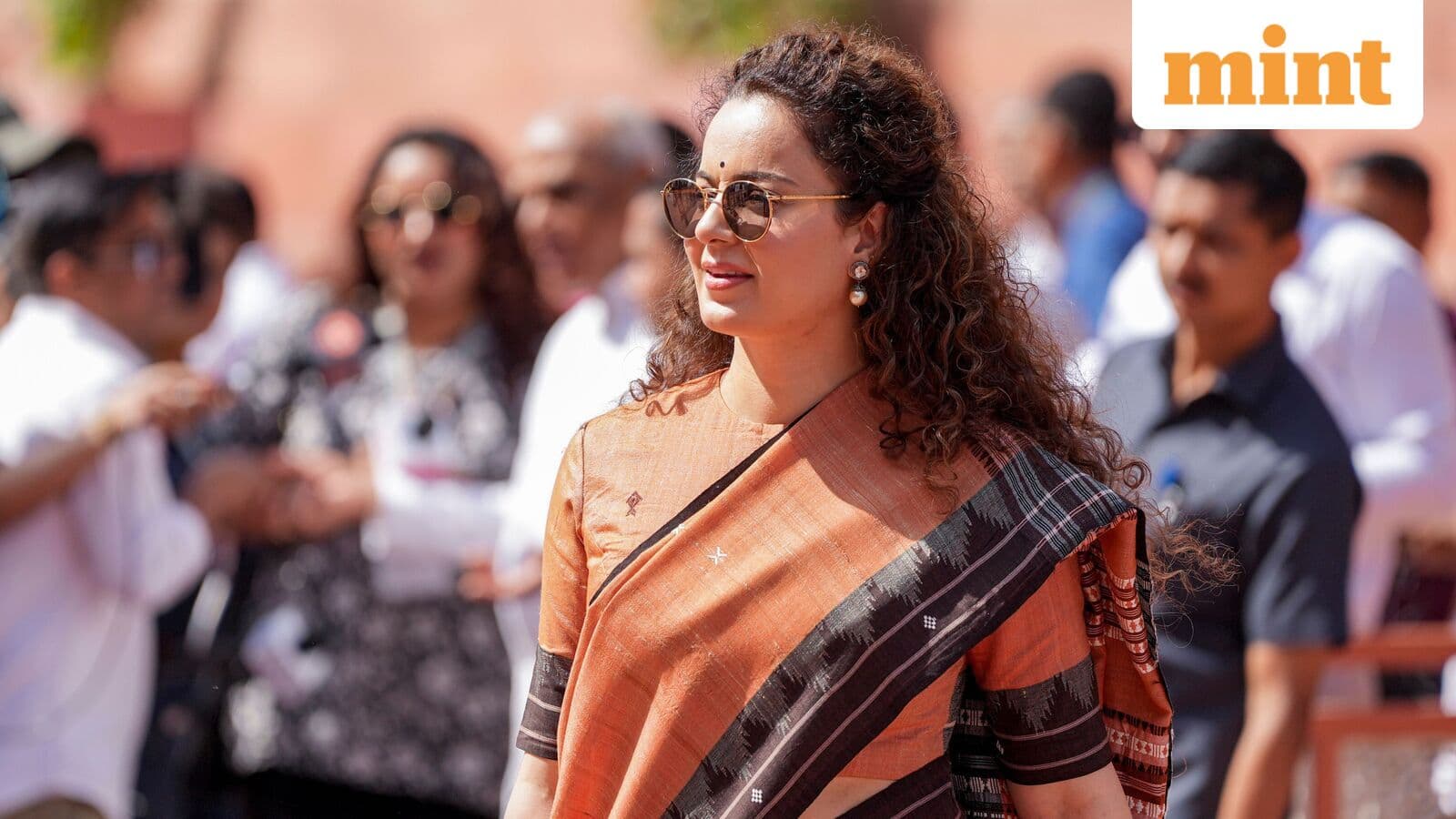
GlipzoIn a striking revelation that has taken political discourse by storm, Kangana Ranaut, the prominent actress and Bharatiya Janata Party (BJP) Member of Parliament, has directed a scathing critique at Congress leader Rahul Gandhi. During a media interaction, she labeled Gandhi as a 'tapori', a term implying rowdiness, and emphasized that women feel uncomfortable in his presence. This comment, made amidst a backdrop of ongoing political tensions, is likely to deepen the already charged atmosphere between the Congress and BJP.
Ranaut conveyed her sentiments during a session in the Parliament complex, stating, “Hum mahilao ko unko dekhkar bohot hi zyada uncomfortable feel hota hai... ekdum jaise tapori ki tarha aate hain.” This translates to, "We women feel very uncomfortable seeing him... he comes like a vagabond." The actress went on to compare Rahul Gandhi unfavorably with his sister, Priyanka Gandhi Vadra, suggesting a stark difference in their public demeanor.
Kangana Ranaut's comments come on the heels of a controversial incident involving Rahul Gandhi on March 12, when he was spotted enjoying tea and snacks at the Makar Dwar entrance of the Parliament during a protest. This act was met with backlash from various corners, including an open letter signed by 84 former bureaucrats, 116 veterans, and four lawyers, calling for Gandhi to apologize for what they described as a “deeply concerning” display of disrespect towards parliamentary norms.
The letter, spearheaded by former Jammu and Kashmir Director General of Police SP Vaid, criticized Gandhi's behavior as indicative of a “sense of entitlement and arrogance.” Vaid asserted that such actions are unbecoming of a Leader of the Opposition, a role that carries significant responsibility within the political framework of India.
Ranaut's remarks have ignited a firestorm of reactions across the political spectrum. With leaders from various parties expected to chime in, the discourse surrounding Rahul Gandhi's conduct is likely to escalate further. In her statements, Ranaut not only condemned Gandhi's actions but also accused him of turning himself into a “laughingstock” within the political arena. This sentiment echoes the frustrations expressed in the open letter, which stated that Parliament is not a venue for political theatrics.
Former DGP Vaid elaborated that Gandhi's actions during the protests, including sitting on the steps of Parliament and sipping tea amid sloganeering, demonstrated a blatant disregard for the dignity of his position. He noted that Gandhi's behavior is reflective of a broader issue concerning the respect and decorum expected from those in high office.
As political tensions mount, the fallout from Kangana Ranaut's remarks will likely extend beyond immediate reactions. It poses critical questions about the roles and responsibilities of public figures in maintaining decorum, especially within the hallowed halls of Parliament. The Congress Party may feel pressured to address the criticisms levied against Rahul Gandhi, while the BJP is poised to capitalize on the moment to reinforce its narrative of accountability and respect in politics.
In the coming days, observers should keep a close watch on how this situation unfolds. Will Rahul Gandhi respond to the call for an apology? How will the Congress party strategize its response to this critique? And what impact will this have on the upcoming political landscape as India gears up for significant electoral contests?
Kangana Ranaut's bold comments not only highlight individual perspectives on political leadership but also reflect the evolving dynamics of public discourse in India, where every statement can ignite a larger conversation about respect, responsibility, and the very essence of political engagement.

Tensions soar as the US and Iran engage in air strikes near the Strait of Hormuz, raising concerns over global oil supply and regional stability.
BBC World
Trump's international interventions face serious stalemates. What will this mean for U.S. foreign policy? Explore the critical challenges ahead.
Indian Express
Tehran denies resignation of President Masoud Pezeshkian amid claims of IRGC influence. What does this mean for Iran's political stability? Click to learn more!
Indian Express