
Image: BBC Science
NASA's Artemis II mission has surpassed expectations, showcasing the Orion spacecraft's capabilities and inspiring hope for future Moon landings by 2028.
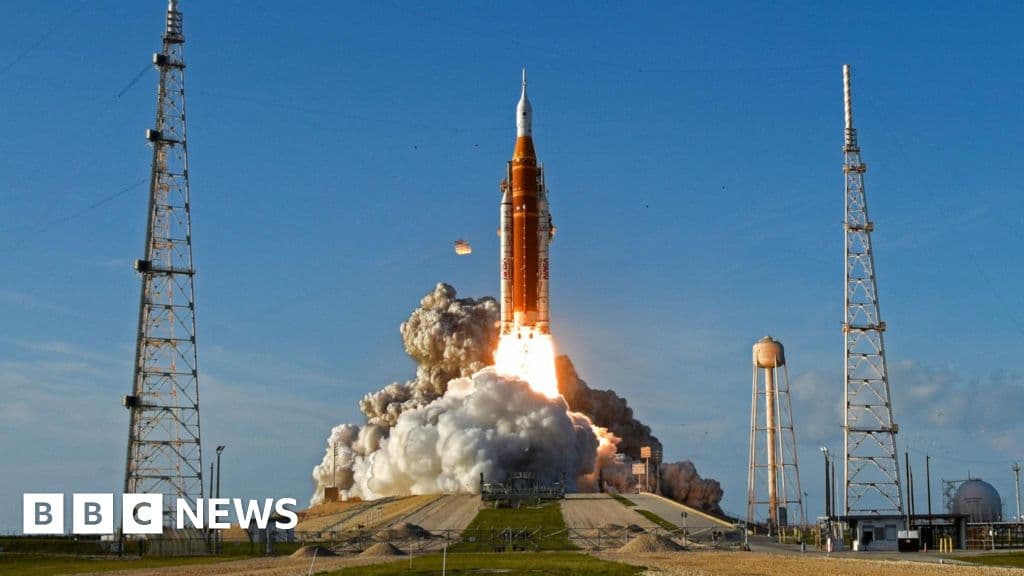
GlipzoOn April 1, NASA's Artemis II mission launched, marking a pivotal moment for lunar exploration. The mission has so far exceeded expectations, showcasing the capabilities of the Orion spacecraft and its crew. With every test passed successfully, NASA is now exploring the potential for returning humans to the Moon by 2028, a goal supported by both the agency and former President Trump.
This mission isn't just about technology; it symbolizes hope and inspiration during a time when the world craves innovation and discovery. The achievements of the Artemis II crew—Reid Wiseman, Victor Glover, Christina Koch, and Jeremy Hansen—have sparked optimism and renewed interest in space exploration.
Before the mission even began, the challenges faced during previous attempts to launch the Space Launch System (SLS) underscored the need for a change in approach. After two launch scrubs in February and March due to technical difficulties, NASA Administrator Jared Isaacman emphasized that launching complex rockets like the SLS every three years is not a sustainable strategy. He called for a shift away from treating each rocket as a unique work of art to adopting a more efficient launch cadence.
This perspective is critical as it reframes the mission's achievements. In the first six days since the launch, the SLS produced an impressive 8.8 million pounds of thrust, executing each ascent phase with precision. According to mission control, every aspect of the launch was “nominal,” indicating that it went according to plan without any major hitches.
One of the most critical moments of the mission came shortly after launch when the Orion spacecraft performed its translunar injection burn. This engine burn, lasting five minutes and fifty-five seconds, successfully set Orion on a trajectory toward the Moon without needing additional major maneuvers. Dr. Lori Glaze, head of the Artemis program, described the burn as “flawless.”
The primary objective of Artemis II is to gather data on how humans interact with the spacecraft, providing insights that a simulator simply cannot offer. Early reports reveal both challenges and successes during this phase of the mission. Issues with the toilet system and a malfunctioning water dispenser prompted the crew to adapt, evidencing the importance of human factors in space travel.
As the mission progresses, engineers are monitoring the CO2 removal system and conducting various tests to assess the spacecraft's performance. Dr. Simeon Barber, a space scientist at the Open University, emphasized the necessity of human presence in the mission, pointing out that testing how systems perform with actual crew members is crucial. He stated, “This is all about putting humans in the loop.”
The overall assessment of Orion's systems has been positive, particularly regarding propulsion. Dr. Barber noted that the spacecraft has performed well in critical areas, reinforcing confidence in its ability to ferry astronauts safely to the Moon's surface.
NASA has also highlighted the scientific gains from the Artemis II mission. The crew conducted extensive observations during their lunar flyby, noting approximately 35 geological features in real-time. These observations can provide valuable insights into the Moon's surface and geological history.
The success of Artemis II raises fundamental questions about the future of lunar exploration. If the program continues to evolve and adapt, it could pave the way for regular manned missions to the Moon and beyond. As NASA aims for a Moon landing by 2028, the agency is not only setting ambitious goals but also reigniting public interest in space exploration.
Looking ahead, the Artemis II mission stands as a testament to human ingenuity and resilience. The challenges faced, and the successes achieved during this mission, will undoubtedly shape the future of lunar exploration. As NASA moves forward, key areas to watch include: - The resolution of any ongoing technical challenges. - The progression towards a 2028 Moon landing. - The potential for establishing a sustained human presence on the Moon.
In summary, the Artemis II mission has already made significant strides, showcasing not just the technological capabilities of NASA but also rekindling a sense of wonder and exploration. As the mission progresses, the world will be watching closely, eager to see how this journey unfolds and what it means for the future of humanity in space.
This mission is crucial not only for its scientific and technological implications but also for its potential to inspire future generations. As we explore the cosmos, we’re reminded of our shared curiosity and drive for discovery—qualities that unite us all.

Discover how the brain protein Menin could be the key to halting cognitive decline with new research that uncovers its vital role in aging.
Indian Express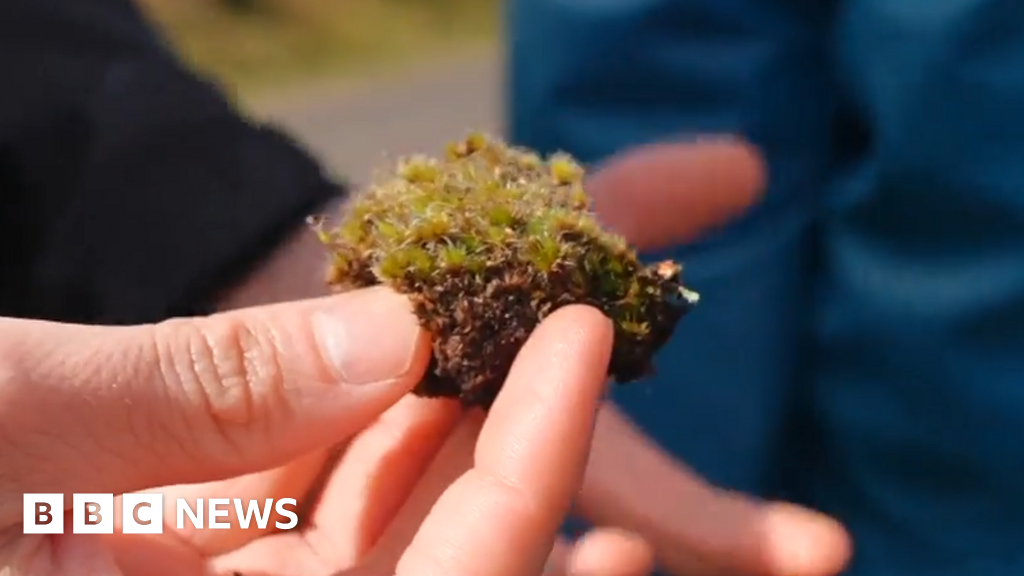
A new 'killer fungus' discovered in the UK targets invasive heath-star moss, offering hope for restoring native habitats. Will it turn the tide against invasives?
BBC Science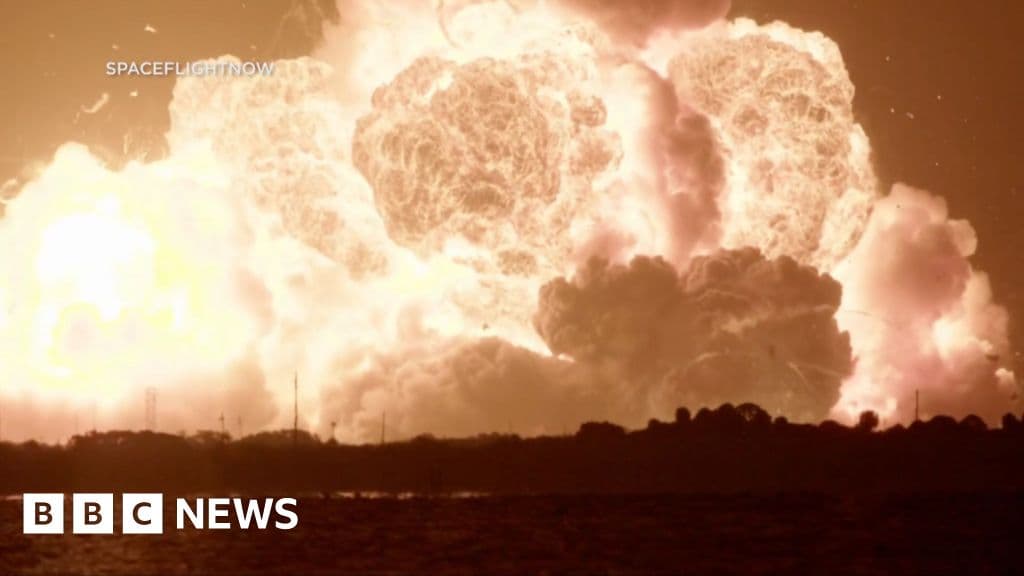
A Blue Origin rocket exploded during a test in Florida, prompting investigations. All personnel are safe. What does this mean for the future of space travel?
BBC Business