
Image: Wired
Discover how one man's obsession with the Epstein case led to the creation of a groundbreaking database, revealing unsettling truths in the process.
GlipzoThe Reddit post quickly gained traction, amassing an astonishing 5.5 million views and drawing hundreds of thousands of visitors to the site. For EricKeller2, whose true identity remains undisclosed to shield himself and his family from Epstein's influential associates, this was just the beginning of an intense journey.
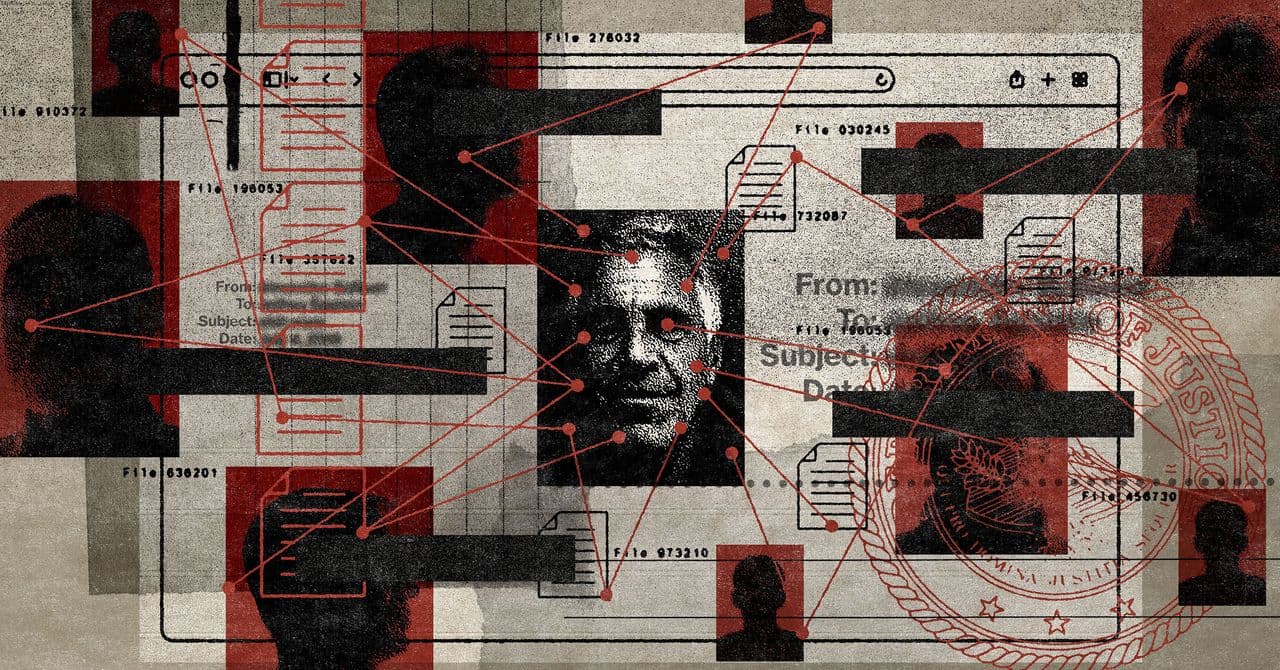
At the heart of this initiative is a thirtysomething data engineer, who has been following the Epstein saga for years. He meticulously analyzed court documents and materials from the Giuffre v. Maxwell case. By the fall of 2025, as the deadline for the Epstein Files Transparency Act loomed, he decided it was time to transform his passion into a structured database. This decision quickly evolved into an obsession.
Yet the journey has not been without its emotional toll. Keller reflects, "There were nights I had to stop. There are descriptions of things no human being should have experienced.” Among the most disturbing pieces of evidence he encountered was a 2017 email exchange in which Epstein offered $300 for a young girl to give him a topless massage, only to increase his offer to $400 when she was unavailable due to school commitments.
His personal connection to the project runs deep. Keller is a survivor of childhood sexual abuse, which fuels his relentless pursuit to expose the horrors documented in the Epstein files. This emotional investment makes it impossible for him to turn away from the grim realities contained within the data he compiles.
One particularly arduous night, Keller spent four hours trying to trace a specific name across 30 different documents. It was during this painstaking process that he realized he was manually conducting work that could easily be automated through a database. This revelation propelled him into action. He fired up a code editor and began crafting a database prototype that quickly took shape, culminating in a working search function by 3 AM.
Around the same time, a project called Jmail.world was gaining popularity. This platform allowed users to sift through Epstein’s emails in a format reminiscent of Gmail, showcasing his photos, flight records, and even his Amazon purchase history. Keller found inspiration in Jmail, acknowledging it as evidence that the community could create superior tools than those offered by the government.
The implications of Keller’s work extend beyond mere information storage. By presenting the data in an organized, searchable format, he aims to empower individuals to explore and understand the complexities surrounding the Epstein case. This initiative is not just an academic pursuit; it serves as a form of advocacy for survivors and a call for accountability among those who enabled Epstein's actions.
As Keller continues to expand his database, he hopes that it will serve as a tool for education and awareness. The path ahead is laden with challenges, but the potential for this project to influence public discourse and promote justice is undeniable.
In a world grappling with issues of justice and accountability, Keller’s project stands out as a beacon of hope for those seeking truth in the aftermath of one of the most notorious criminal cases in recent history. The exploration of these connections could prove pivotal, not only for understanding the past but also for shaping the future of how society handles cases of abuse and exploitation.

Tensions soar as the US and Iran engage in air strikes near the Strait of Hormuz, raising concerns over global oil supply and regional stability.
BBC World
Trump's international interventions face serious stalemates. What will this mean for U.S. foreign policy? Explore the critical challenges ahead.
Indian Express
Tehran denies resignation of President Masoud Pezeshkian amid claims of IRGC influence. What does this mean for Iran's political stability? Click to learn more!
Indian Express