
Image: Mint (Business)
India denies claims of Iran's demand for vessel return amid rising tensions. Discover the implications for maritime security and energy supply.
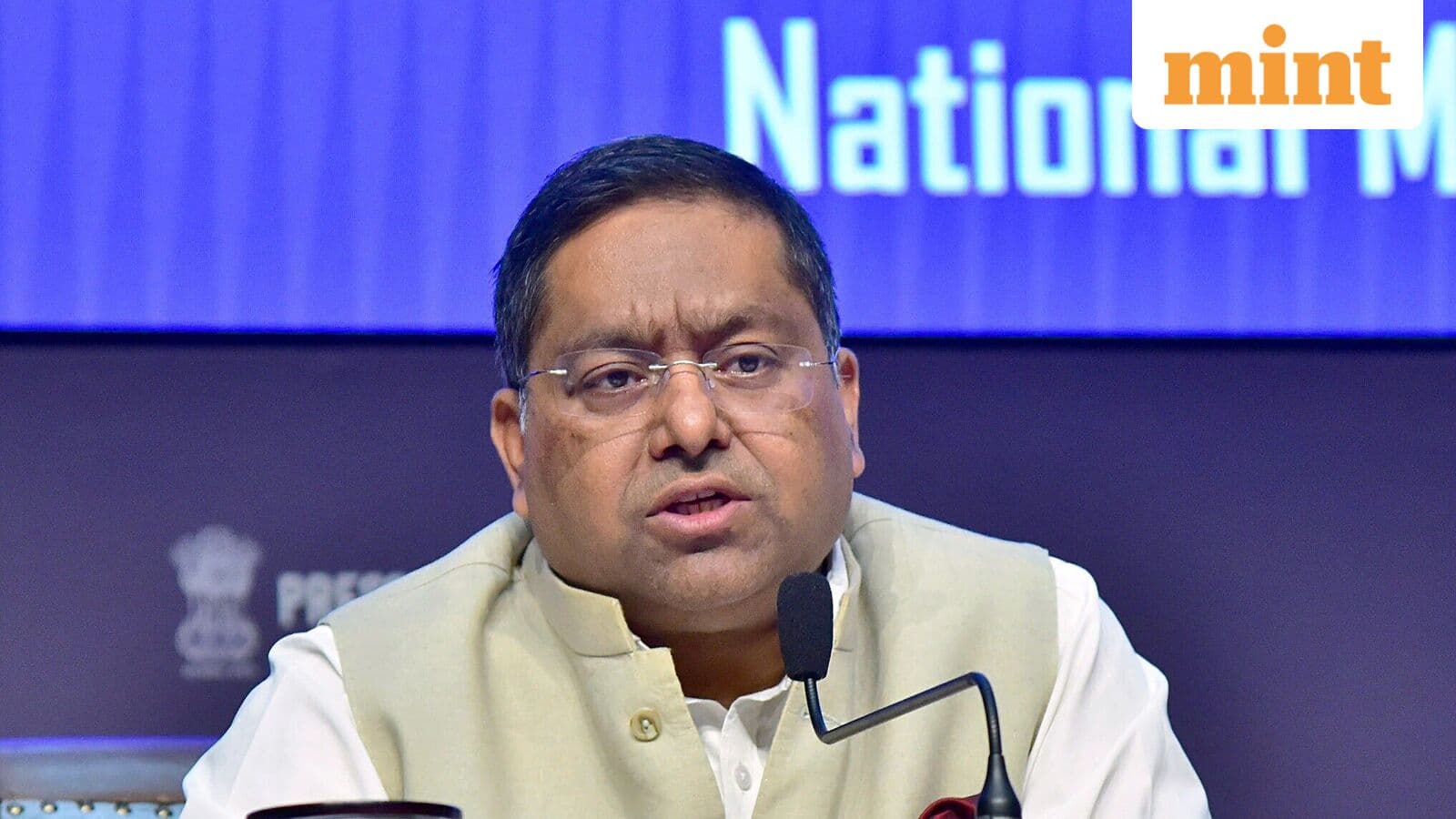
GlipzoIn a recent statement, Indian Ministry of External Affairs (MEA) spokesperson Randhir Jaiswal labeled reports suggesting that Iran had requested the return of three seized vessels in exchange for safe passage through the Strait of Hormuz as "baseless." Jaiswal firmly stated, "This report is baseless. There has been no discussion between Indian and Iranian authorities of this nature." He also emphasized that the vessels in question are not Iranian-owned and do not have Iranian crews.
This clarification comes amid rising tensions in the region, especially following significant geopolitical events, including recent military strikes by the United States and Israel. These strikes culminated in the death of Ayatollah Ali Khamenei, the Supreme Leader of Iran, on February 28, which has escalated retaliatory actions from Tehran.
The Strait of Hormuz is critical for global trade, serving as a vital maritime corridor for approximately 20 million barrels of oil daily, which constitutes nearly one-fifth of the world's oil consumption. The strait is also a crucial passage for liquefied natural gas (LNG), with about 85-90% of India's LPG imports coming from West Asian countries, including Saudi Arabia and Qatar. Disruptions in this strategic route have already led to LPG shortages in major Indian cities like Mumbai, Bengaluru, Kolkata, and Chennai.
Given the importance of this route, any potential blockage or conflict could have serious implications not just for India but for the global energy market as well. Additionally, the ongoing geopolitical dynamics have raised concerns about the safety and security of maritime operations in the region.
Despite the denial of the vessel negotiations, Jaiswal confirmed that India is actively engaged in discussions with Iran and other nations regarding several ships still located in the Strait of Hormuz. He stated, “We are in talks with Iran and other countries. As our Special Secretary mentioned, many ships are still there in the Strait of Hormuz area.”
The MEA's focus appears to be on facilitating the safe return of these vessels, alongside humanitarian efforts. Jaiswal reiterated, “It is our intention to work with Iran and other countries to bring those ships back home safely. This is our objective.” These ongoing dialogues are crucial for maintaining maritime security and ensuring the flow of essential supplies to India.
In light of the rising tensions in the region, Mohammad Fathali, Iran's ambassador to India, has assured that Tehran will uphold its commitment to ensuring the secure passage of vessels headed to India through the Strait of Hormuz. Fathali highlighted the "friendly relations" between the two countries, which may play a significant role in navigating these turbulent waters.
As both nations continue to engage diplomatically, India has reiterated its longstanding position advocating for de-escalation through dialogue amid the ongoing tensions in West Asia. This diplomatic stance underscores India's commitment to regional stability and its strategic partnerships.
The developments in the Strait of Hormuz are not merely a regional concern but have far-reaching implications for global energy security. India's dependence on imports from this region makes it imperative for the government to ensure safe maritime operations. With potential disruptions, the Indian economy could face significant challenges, particularly with rising energy costs affecting consumers and industries alike.
Moreover, the geopolitical landscape is shifting rapidly, with military actions and diplomatic negotiations playing a delicate balancing act. How India navigates these turbulent waters will be crucial not just for its energy security but also for maintaining its influence and relationships in the broader region.
As the situation evolves, eyes are on ongoing diplomatic negotiations between India and Iran. The next steps will likely involve further discussions aimed at ensuring maritime security and addressing any underlying tensions in the region.
Observers should watch for: - Updates on vessel negotiations: Will India and Iran reach any agreements regarding the ships still in the Strait? - Impact of geopolitical tensions: How will the ongoing US and Israeli actions influence Iran's responses? - Energy supply stability: Will India succeed in securing its energy needs amidst these tensions?
With these factors hanging in the balance, the coming weeks will be pivotal for India's strategic and energy security interests in the region.

Tensions soar as the US and Iran engage in air strikes near the Strait of Hormuz, raising concerns over global oil supply and regional stability.
BBC World
Trump's international interventions face serious stalemates. What will this mean for U.S. foreign policy? Explore the critical challenges ahead.
Indian Express
Tehran denies resignation of President Masoud Pezeshkian amid claims of IRGC influence. What does this mean for Iran's political stability? Click to learn more!
Indian Express