

Image: Mint (Business)
India plans to increase seismometers five-fold to enhance earthquake alerts, potentially extending warning time to 45 seconds. Learn how this can save lives.
GlipzoIn a groundbreaking initiative aimed at improving disaster preparedness, India is set to increase its seismometer network five-fold. This enhancement is designed to extend the earthquake warning lead time from mere seconds to a potential 45 seconds, according to leading experts. The effort comes amidst increasing concerns about seismic activity in the region, particularly given that 59% of India is at risk due to its placement on the Indian and Eurasian tectonic plate boundary.
The National Disaster Management Authority (NDMA) has announced plans to install 1,200 new seismometers, bringing the total count to 1,500 across the country. This significant upgrade will enable the detection of the non-destructive primary waves, known as P-waves, which travel faster than the more destructive secondary waves, or S-waves. Krishna S. Vatsa, a member of the NDMA, emphasized that this additional lead time could be crucial for protecting critical infrastructure, such as metro systems, power plants, and industrial facilities.
Currently, India operates approximately 300 seismometers that monitor seismic activity and provide early warnings. These devices play a vital role in understanding earthquake dynamics and improving safety protocols. However, the country’s existing infrastructure is often deemed insufficient, especially when considering the annual $31.6 billion losses that natural disasters, including earthquakes, inflict on various sectors such as health, education, telecommunications, and transportation.
According to the Coalition for Disaster Resilient Infrastructure (CDRI), earthquakes alone account for about 5.5% of these losses, amounting to approximately $1.73 billion each year. By enhancing the seismometer network, India aims not only to reduce economic losses but also to improve the safety and resilience of its communities.
Earthquake Early Warning (EEW) systems are already in use in several countries, providing alerts that range from a few seconds to a minute before the shaking occurs. This brief warning period is critical for minimizing damage and saving lives. For instance, a seismometer can transmit real-time data, enabling scientists to analyze an earthquake's magnitude, depth, and epicenter swiftly.
Key benefits of the upcoming seismometer expansion include: - Increased lead time for alerts—potentially up to 45 seconds. - Better detection of smaller tremors, aiding in more precise seismic mapping. - Enhanced capabilities similar to advanced systems used in Japan, where lead times can reach up to 60 seconds.
Understanding seismic wave dynamics is essential for effective early warning systems. The P-wave travels at about 6 km/s, while the slower S-wave moves at approximately 3.8 km/s. This difference allows for a window of opportunity for alerts, particularly if the earthquake's epicenter is located 250 km away. However, the warning time decreases as the distance shortens.
Vatsa noted, “Our objective is to detect the occurrence of the P-wave and use that short window to anticipate the arrival of the damaging S-wave.” By boosting the density and coverage of monitoring stations, the NDMA expects a significant improvement in the accuracy and speed of alerts, ultimately enhancing public safety during seismic events.
Insurance companies are expressing optimism regarding the proposed upgrades. Timely alerts can significantly reduce secondary damage resulting from earthquakes, such as fires, chemical spills, machinery failures, and disruptions in infrastructure. This proactive approach not only aims to save lives but also minimizes the extensive economic repercussions associated with such disasters.
The cost of each seismometer is around ₹6 lakh. However, the investment is justified considering the potential savings in lives and property, as well as the broader economic implications of reduced disaster-related losses.
As India moves forward with this ambitious seismometer expansion plan, stakeholders from various sectors will be watching closely. The integration of advanced monitoring technology and early warning systems could transform how the nation responds to seismic threats.
Key aspects to monitor moving forward include: - The timeline for installation and operational readiness of the new seismometers. - Improvements in the accuracy of earthquake predictions and alerts. - Ongoing training and public awareness initiatives to ensure communities understand how to respond to earthquake alerts effectively.
In conclusion, while earthquakes cannot be predicted with certainty, India's proactive measures to enhance its earthquake monitoring capabilities signify a critical step toward safeguarding its population and infrastructure. As the nation prepares for this substantial upgrade, the focus will be on creating a more resilient society in the face of natural calamities.

Discover how the brain protein Menin could be the key to halting cognitive decline with new research that uncovers its vital role in aging.
Indian Express
A new 'killer fungus' discovered in the UK targets invasive heath-star moss, offering hope for restoring native habitats. Will it turn the tide against invasives?
BBC Science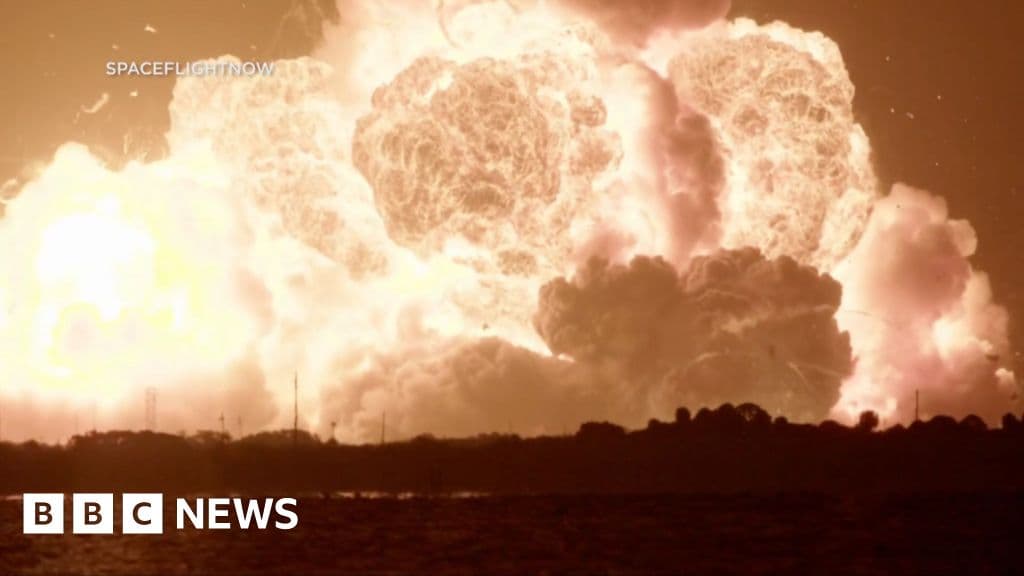
A Blue Origin rocket exploded during a test in Florida, prompting investigations. All personnel are safe. What does this mean for the future of space travel?
BBC Business