
Image: Mint (Business)
Gurugram's Uppal Southend RWA sparks debate by threatening to halt services over unpaid dues. Is this a necessary measure or an extreme approach?
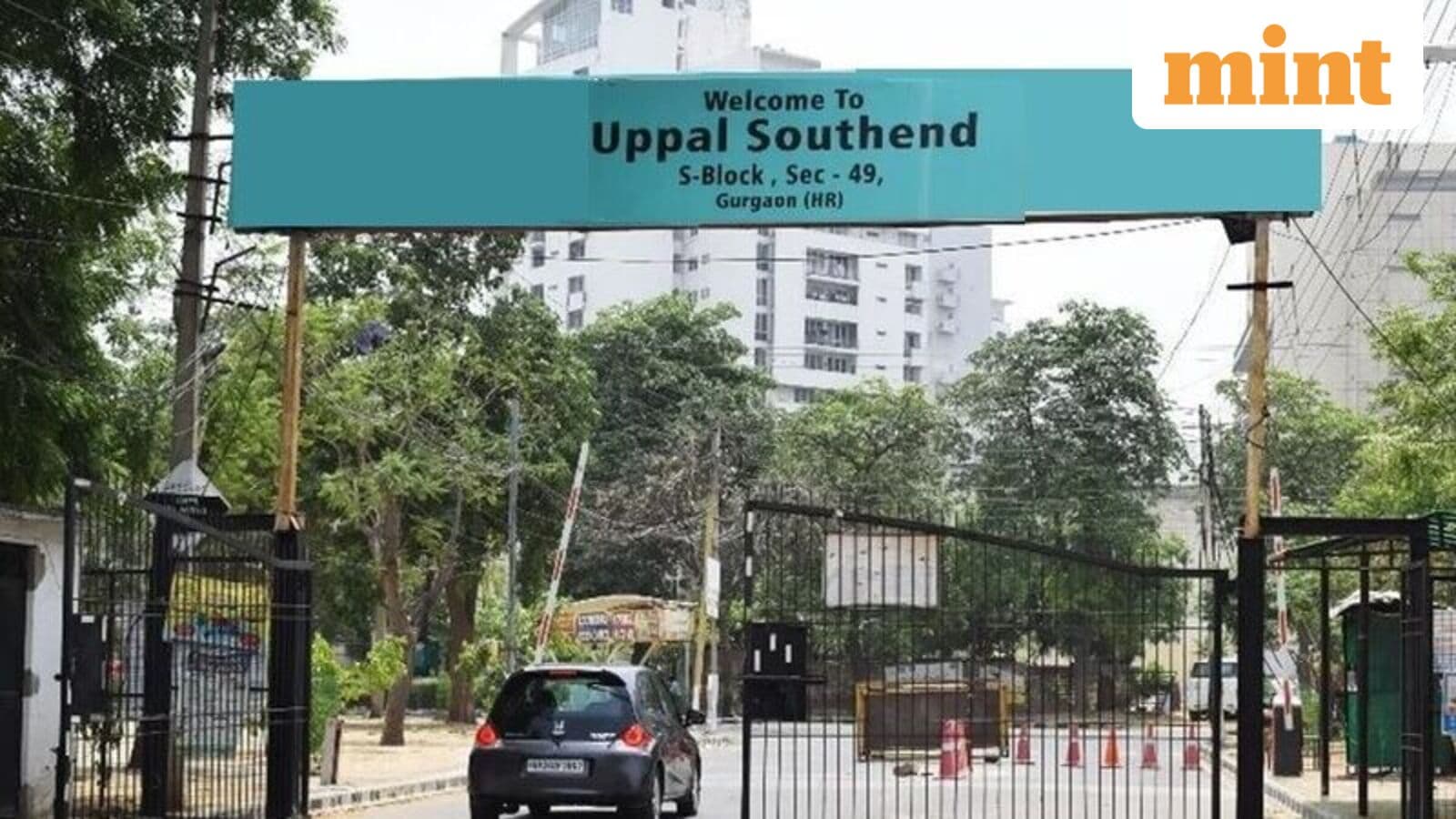
GlipzoIn a bold and controversial move, a housing society in Gurugram has stirred significant debate by threatening to halt essential services for residents who fail to pay their maintenance dues. The Uppal Southend Residential Welfare Association (RWA) has implemented a policy where access to domestic help, car-washing, and even popular delivery services like Zomato and Swiggy could be cut off for defaulters.
This drastic measure has raised eyebrows and divided opinions among the community's residents, with some expressing support for the RWA's efforts while others criticize the approach as excessively harsh. The residential colony, which occupies approximately 100 acres and is home to several hundred families, is located about 10 kilometers from the upscale DLF Camellias complex.
To underscore the seriousness of the situation, a bright yellow board has been placed outside the society's main entrance, publicly listing the names of residents who have outstanding payments. According to reports from the Hindustan Times, the monthly maintenance fees range from ₹1,100 to ₹1,300, depending on the size of the residence.
A notice disseminated throughout the community outlined the consequences for non-compliance, stating that, "effective today, all non-essential services – including maid services, car washing, and delivery services – will be suspended until the dues are fully cleared." This message was circulated via the society's Telegram group, the MyGate application, and was also posted on physical notice boards within the colony.
SK Yadav, the president of the RWA, indicated that the society had been pursuing overdue payments for several months and had sent multiple reminders to residents via the MyGate app. He noted that the decision was not made lightly but was prompted by a General Body Meeting held on March 8, where residents voiced the need for stricter measures against those who had not settled their dues.
According to the RWA, the warning has already yielded results; they reported recovering about ₹10 lakh of the nearly ₹44 lakh owed in outstanding maintenance fees. Yadav emphasized that these funds are crucial for maintaining essential services within the colony, including: - CCTV camera upkeep - Maintenance of security gates - Repair of pipelines - Street lighting - Efforts to mitigate waterlogging
Despite the RWA's rationale, not all residents are on board with this approach. Rajesh Khantana, a former RWA president who held the position from 2019 to 2023, criticized the board for not engaging more directly with residents before taking such a public stance. "The board should have followed up with the residents and tried to understand the grievances before putting such a notice," Khantana asserted.
Others echoed similar sentiments, arguing that publicly naming defaulters and suspending services could potentially deepen divisions within the community. Parmod Goyal, whose name appeared on the public list, voiced his discontent, stating, "The action taken by the RWA is not correct; they should have tried to contact the families personally."
Biram Prakash, another resident, expressed even more fervent criticism, asserting that the board's actions were misguided. He claimed that many residents would pay their dues if they felt the RWA was providing adequate maintenance services. He highlighted that residents of the W Block had to take matters into their own hands, building boundary walls around their homes because the RWA had not acted.
The ongoing situation in Uppal Southend highlights a significant tension between the need for community governance and the rights of residents. As more residential societies grapple with maintenance fees and services, the actions taken by this RWA could set a precedent for similar communities across India. While the RWA aims to ensure compliance and maintain community standards, the backlash against their methods raises important questions about governance, transparency, and community engagement.
This incident also underscores the importance of effective communication and relationship-building between residents and their governing bodies. Engaging with residents before taking punitive measures could foster a more collaborative atmosphere, ultimately leading to better outcomes for both the RWA and the community.
As the situation unfolds, residents and observers will be keenly watching how the RWA responds to the backlash. Will they soften their stance and seek a more diplomatic approach to debt collection, or will they continue to enforce these drastic measures? The residents of Uppal Southend are likely to voice their opinions in the upcoming meetings, which could lead to further discussions about governance and responsibility within the community.
In a broader sense, this case may serve as a catalyst for other residential societies to evaluate their own policies regarding outstanding dues and the methods used to enforce them. With many communities striving for harmony and cooperation, finding the right balance between accountability and empathy will be critical moving forward.

Tensions soar as the US and Iran engage in air strikes near the Strait of Hormuz, raising concerns over global oil supply and regional stability.
BBC World
Trump's international interventions face serious stalemates. What will this mean for U.S. foreign policy? Explore the critical challenges ahead.
Indian Express
Tehran denies resignation of President Masoud Pezeshkian amid claims of IRGC influence. What does this mean for Iran's political stability? Click to learn more!
Indian Express