
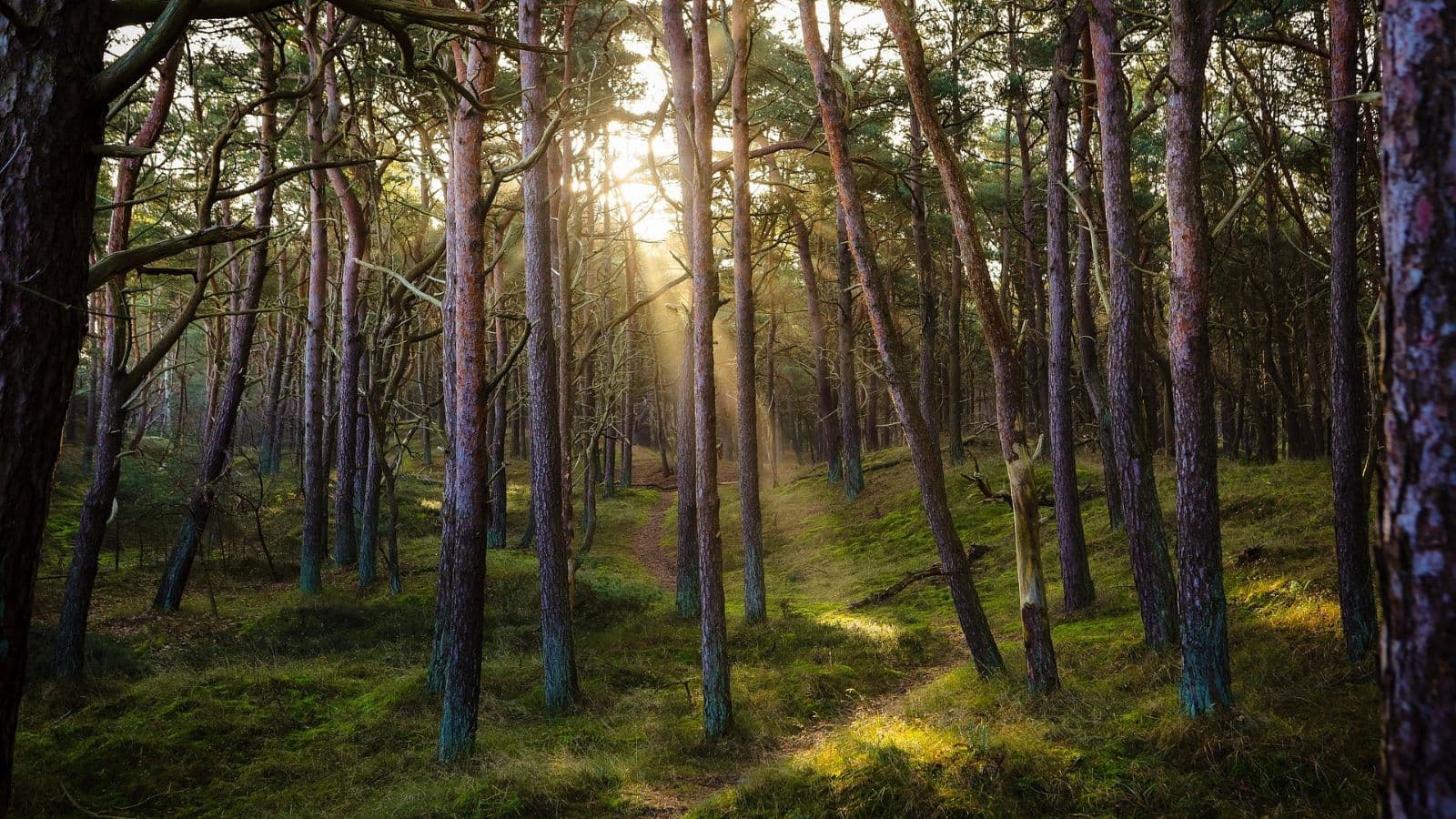
Image: Indian Express
Discover how a unique school project connects students to trees and the wisdom they offer, enhancing environmental awareness through immersive learning.
GlipzoEarth Day recently passed, prompting numerous educational institutions to focus on environmental consciousness. This year, a fascinating initiative from a government school near Kota, led by biology teacher Divyendu Sen, has caught attention. Sen's project, titled Tree Talk: Every Tree Has Something to Say, encourages students to delve into the ecological and cultural importance of trees.
Over a hundred trees representing 85 different species have been outfitted with QR codes that hang from their branches. Scanning these codes reveals audio recordings, crafted by the students in Hindi and the local Malvi dialect. Each recording introduces listeners to the specifics of the tree, including its significance and characteristics. For instance, a Casuarina equisetifolia, commonly known as the Australian pine, welcomes you with a friendly, "Namaste, I am a Casuarina tree. My leaves look like needles, but these are actually tiny green branches..."
This innovative approach not only promotes environmental education but also fosters a sense of connection between the students and the natural world. Sen explained that despite the lush gardens surrounding the school, many students were unaware of the trees' contributions to the ecosystem. By allowing students to use their phones to engage with these QR codes, the project creates an immersive learning experience that blends technology with nature.
As I ponder this initiative, I find myself increasingly captivated by the grounded stillness of trees. Their symmetry, the way light filters through their leaves, and the tranquility they exude resonate deeply within me. This fascination often leads me to reflect on my childhood memories, especially a conversation with my grandmother. She recounted her involvement in the Chipko movement, a grassroots initiative aimed at forest conservation. I recall the lemon trees in her garden, where we would pluck gondhoraj lebu to enhance our fish curry. Recently, I planted a lemon tree on my terrace—a small yet meaningful connection to her legacy.
Much like the trees, we often find ourselves resonating with particular ones during different seasons. This reminds me of Sumana Roy, who muses in her work, How I Became a Tree, about the existence of trees—whether they are freelancers or salaried employees. Ultimately, Roy concludes that they are akin to daily wage laborers, their roles intricately tied to the passage of time.
During our evening walks back from the bus stop, my son and I often stroll beneath the canopies of ancient trees. This shared experience, which we affectionately call our "tree time," creates a sense of tranquility. The gardens, devoid of crowds at that hour, are alive with the sounds of swaying branches, chirping birds, and playful squirrels. As we walk, I share intriguing facts about the trees we encounter. For example, we discuss why the massive Indian almond tree outside our condominium turned brilliant red at the beginning of spring, or the banyan tree whose young leaves emerge in a delicate copper hue before maturing into deep green.
These observations highlight the natural cycle of life and the resilience that trees embody. They stand tall through various seasons, adapting to change without breaking, and offer invaluable lessons on nurturing and protecting one another amidst transitions. This quiet wisdom from trees is something we can embrace, pass on to the next generation, and carry forward into our lives.
The Tree Talk project not only serves as an educational tool but also plays a critical role in fostering environmental awareness among students. In a world where ecological issues are becoming increasingly urgent, initiatives like these illuminate the significance of nature in our lives. Through technology and storytelling, students are encouraged to form deeper connections with their surroundings, which is essential for cultivating a generation of environmentally conscious individuals.
The lessons imparted by trees extend beyond mere observation; they teach us about resilience, adaptability, and the importance of nurturing our environment. These are qualities that resonate not only in nature but also in our daily lives, guiding us through challenges and changes.
As we move forward, it is crucial to consider how projects like Tree Talk can inspire similar initiatives in schools across the globe. In an era where technology and environmental education can intersect, there is a unique opportunity to engage young minds in meaningful ways. Future projects can expand on this foundation, possibly incorporating more interactive elements or focusing on local flora and fauna to enhance community awareness.
In conclusion, the grounded stillness of trees offers profound lessons that we can all learn from. As we honor these natural giants, let us also reflect on how we can integrate their wisdom into our lives and our education systems. By doing so, we not only enrich our own experiences but also ensure that future generations understand the value of the trees that surround them.
Why It Matters: Nature has much to teach us, and as we foster connections with the environment, we cultivate a more sustainable future for everyone. Let’s continue to explore and learn from the trees around us!

Discover how the brain protein Menin could be the key to halting cognitive decline with new research that uncovers its vital role in aging.
Indian Express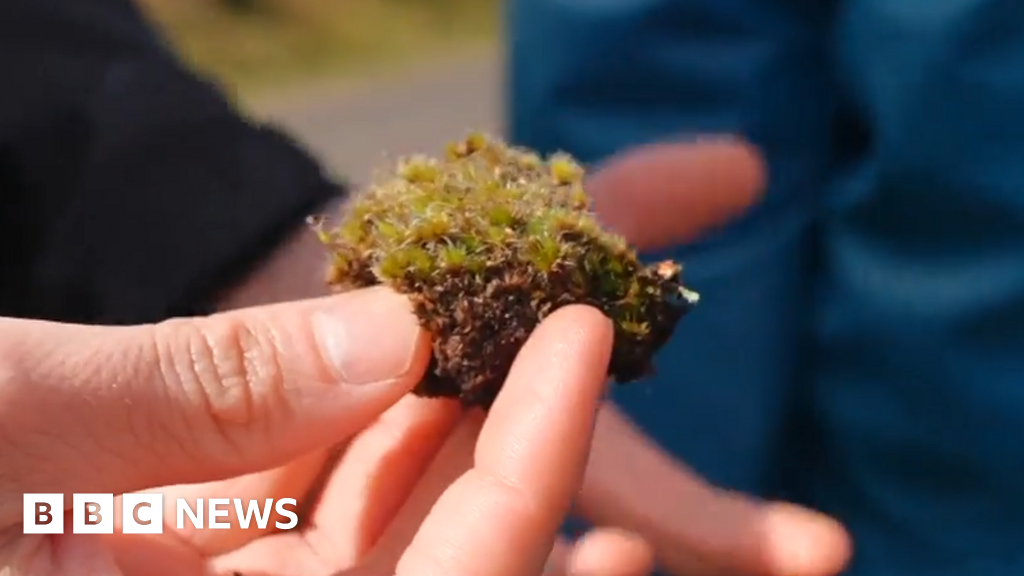
A new 'killer fungus' discovered in the UK targets invasive heath-star moss, offering hope for restoring native habitats. Will it turn the tide against invasives?
BBC Science
A Blue Origin rocket exploded during a test in Florida, prompting investigations. All personnel are safe. What does this mean for the future of space travel?
BBC Business