Discover how groundbreaking DNA mapping of a Barbary macaque is revolutionizing conservation efforts against extinction and wildlife trafficking.
A Revolutionary Step in Conservation
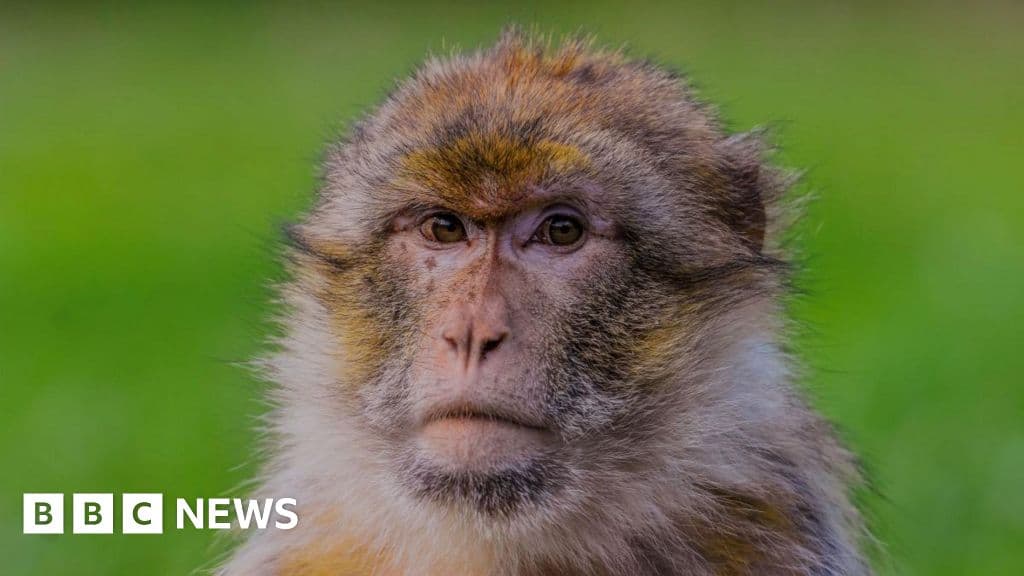
In a **historic achievement**, researchers have successfully mapped the DNA of a **Barbary macaque** named Crinkle, marking the first time a monkey's complete genetic code has been sequenced. This groundbreaking project took place at the **Trentham Monkey Forest** in **Stoke-on-Trent**, Staffordshire, and is expected to significantly enhance conservation efforts for this endangered species.
The team behind this scientific breakthrough believes that this comprehensive genetic mapping will serve as a vital tool in the ongoing battle against extinction. Matt Lovatt, the park director, expressed the significance of this research, stating, "Knowing that her DNA could help protect Barbary macaques from poaching and illegal trade is something truly special."
Significance of the Barbary Macaque's Genome
Crinkle's genome sequencing is not just a milestone for the species, but it opens up new avenues for conservation strategies. Scientists noted that until now, the lack of a complete genetic reference for Barbary macaques has hindered efforts to monitor their populations, assess their genetic health, and determine the origins of trafficked individuals. The availability of Crinkle's genetic data is being hailed as a **"master key"** to unlocking these challenges.
With the newly mapped genome, the researchers have traced Crinkle's ancestry back to wild populations residing in Ifrane National Park and Khenifra National Park in Morocco—two crucial habitats for the Barbary macaques. Lovatt remarked, "We're incredibly proud that a Barbary macaque from Trentham Monkey Forest is at the heart of such a groundbreaking scientific achievement. Crinkle represents not just our forest, but a species facing real threats in the wild."
A Glimpse into the Past and Future of Barbary Macaques
The **Barbary macaque**, once widespread across the Mediterranean, has found its habitat shrinking significantly. Today, these monkeys are primarily confined to a few isolated pockets in **North Africa** and **Gibraltar**. Dr. **Patrick Tkaczynski** from **Liverpool John Moores University**, who contributed to the research, emphasized the historical range of the species, highlighting their plight due to habitat loss and illegal wildlife trade.
Lovatt further elaborated on the implications of this research: "If this kind of science can help identify where trafficked animals have been taken from, it becomes a powerful tool in the fight against wildlife crime. Ultimately, it gives us a better chance of protecting these incredible monkeys in the wild."
Why It Matters: The Broader Impact on Wildlife Conservation
The significance of Crinkle's genetic mapping extends beyond the immediate benefits for Barbary macaques. This research exemplifies how advances in genetic science can bolster conservation efforts for various endangered species. Here are a few reasons why this achievement is crucial:
- **Improved Tracking:** Enhanced genetic data allows for more effective monitoring of wild populations.
- **Combatting Wildlife Crime:** Understanding genetic lineage aids in pinpointing the origins of trafficked animals, facilitating law enforcement efforts.
- **Conservation Strategies:** With a clearer picture of genetic diversity, conservationists can develop targeted strategies to maintain healthy populations.
- **Public Awareness:** Projects like these raise awareness about endangered species and the threats they face, encouraging public support for conservation initiatives.
The Road Ahead: What to Watch For
As this project unfolds, several key developments can be anticipated:
- **Expansion of Genetic Mapping:** Other endangered species may benefit from similar genome sequencing projects, paving the way for broader conservation efforts.
- **Collaborative Efforts:** The collaboration between academic institutions and conservation parks could lead to more innovative approaches in wildlife protection.
- **Policy Implications:** Data derived from genetic studies may influence wildlife protection policies and enhance international cooperation against illegal wildlife trade.
- **Increased Funding and Support:** Successful outcomes from this project may attract more funding and resources for conservation initiatives focused on endangered species.
In conclusion, the successful sequencing of Crinkle's DNA is not just a scientific triumph; it represents a hopeful future for Barbary macaques and potentially other endangered species. As researchers continue to analyze and utilize this data, the conservation community remains optimistic about the future of these remarkable animals in the wild.