
Image: Indian Express
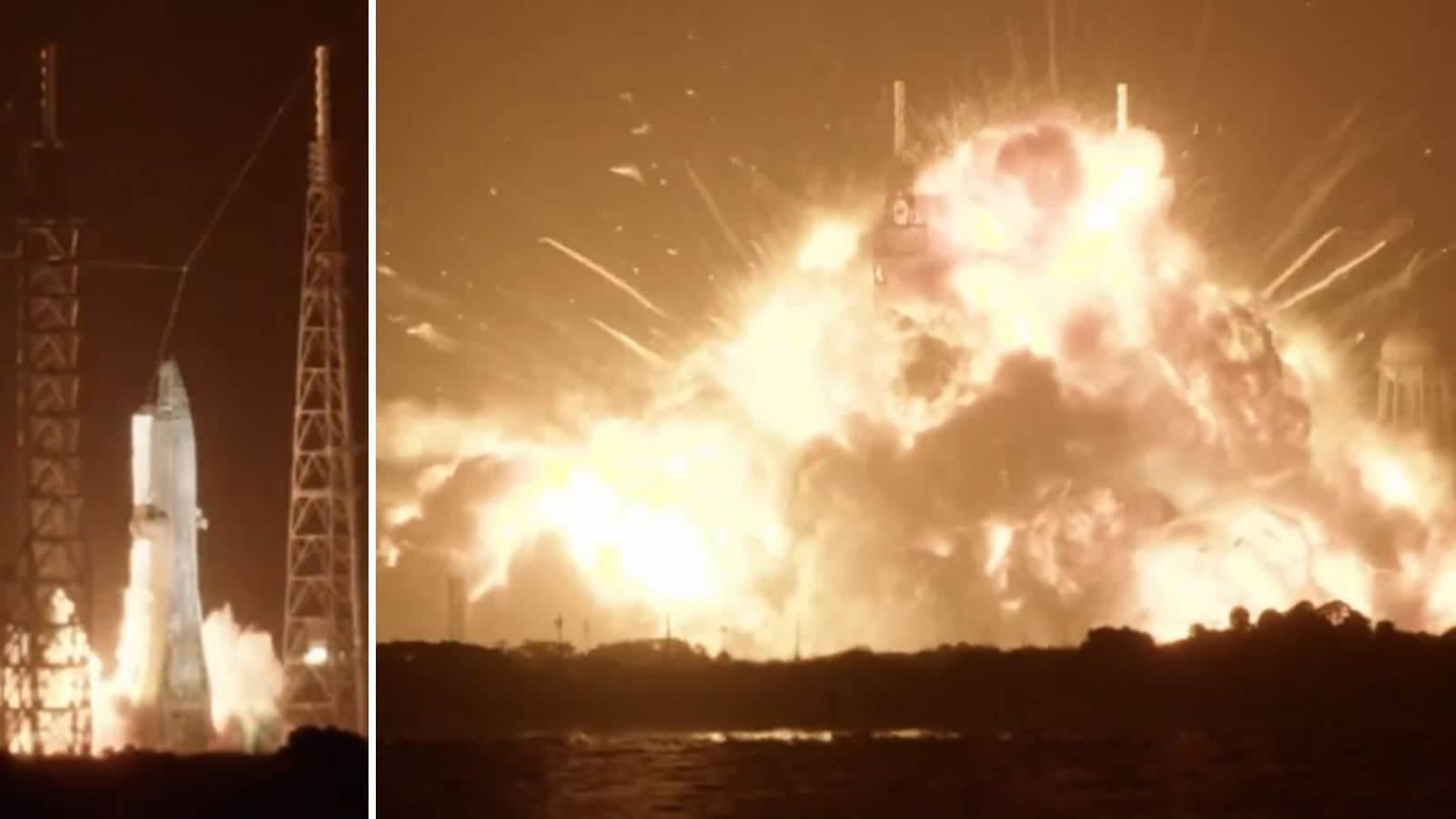
A Blue Origin rocket exploded in Florida during a test, prompting Jeff Bezos to address the incident. What does this mean for the future of space exploration?
GlipzoIn a dramatic incident on May 29, 2026, Blue Origin’s New Glenn rocket exploded during a test at Cape Canaveral. This incident, described as an “anomaly” by the company, has raised significant concerns about the safety and reliability of the aerospace firm founded by Jeff Bezos, who is also the CEO of Amazon. Eyewitnesses reported hearing a loud noise and feeling their homes shake as a massive fireball erupted from the launch site.
Blue Origin quickly reassured the public that all personnel involved in the test were safe. In a statement shared on X (formerly Twitter), the company expressed, “All personnel have been accounted for. We will provide updates as we learn more.” This prompt communication helped alleviate fears regarding the safety of those at the testing site.
The explosion was vividly captured on video from a nearby restaurant, where patrons filmed the fiery spectacle. The footage, which circulated widely on social media, showcased the dramatic moment of the explosion, prompting some observers to describe it as resembling a “mini-nuke.”
Residents from Cape Canaveral and Cocoa Beach reported feeling vibrations in their homes, leading to widespread discussions about the intensity of the blast. “Pretty wild Blue Origin test… looked like a mini nuke,” one user tweeted, capturing the sentiment of many.
In the aftermath of the explosion, Jeff Bezos expressed his commitment to resolving the situation. He stated, “It’s too early to know the root cause but we’re already working to find it. Very rough day, but we’ll rebuild whatever needs rebuilding and get back to flying. It’s worth it.” This determination reflects Blue Origin's resilience in the face of adversity, underscoring their commitment to ongoing space exploration and technology development.
The explosion is particularly significant as it comes at a time when Blue Origin was preparing to launch a batch of satellites for Amazon, intended to compete against Elon Musk’s Starlink satellite network. An Amazon spokesperson clarified that no satellites were aboard the New Glenn rocket during the test.
This incident is not the first setback for Blue Origin. In April, the Federal Aviation Administration (FAA) had grounded the New Glenn rocket due to an engine-related issue, which the company was directed to investigate. The FAA has yet to comment on whether this latest explosion will trigger a new investigation, but the implications could be far-reaching for the company’s future endeavors.
The explosion adds to a series of challenges Blue Origin faces as it strives to establish itself as a key player in the space industry. The company recently received a significant boost when NASA selected Blue Origin to conduct one of the first three uncrewed lunar missions aimed at establishing a $20 billion moon base. This selection pits them directly against SpaceX, as both companies compete for contracts related to future Artemis missions.
Elon Musk, the founder of SpaceX, quickly reacted to the explosion with a post on X, stating, “Most unfortunate. Rockets are hard.” His comment reflects a shared understanding within the aerospace community of the challenges involved in space travel and technology development.
Despite the setbacks, Blue Origin continues to push boundaries in both space tourism and satellite logistics. The company previously made headlines with its all-women crew launch, which included notable personalities such as Gayle King and Katy Perry.
As Blue Origin works to understand the causes behind this latest explosion, several factors will be critical to watch: - Investigation Results: Insights from the FAA and internal reviews could reshape future test protocols. - Impact on Lunar Missions: Delays or setbacks could affect Blue Origin's role in upcoming lunar missions and contracts. - Public Perception and Investor Confidence: How the company manages this incident will be crucial for maintaining public trust and investor confidence.
The aerospace industry is known for its unpredictability, and Blue Origin's latest challenge underscores the complexities inherent in space exploration. As the company navigates these hurdles, its future endeavors, including satellite launches and lunar missions, will be closely monitored by both industry experts and the public alike. The path forward will require strategic adjustments and a commitment to innovation, as Blue Origin aims to solidify its position in an increasingly competitive space landscape.
This incident not only highlights the inherent risks associated with aerospace technology but also serves as a reminder of the ambitious goals set forth by private space companies. As Blue Origin seeks to contribute to the future of space exploration, the outcomes of this event may influence the trajectory of the company and the broader industry. With both public and private stakes high, the focus will remain on how Blue Origin responds and what innovations may emerge as a result of this setback.

Discover how the brain protein Menin could be the key to halting cognitive decline with new research that uncovers its vital role in aging.
Indian Express
A new 'killer fungus' discovered in the UK targets invasive heath-star moss, offering hope for restoring native habitats. Will it turn the tide against invasives?
BBC Science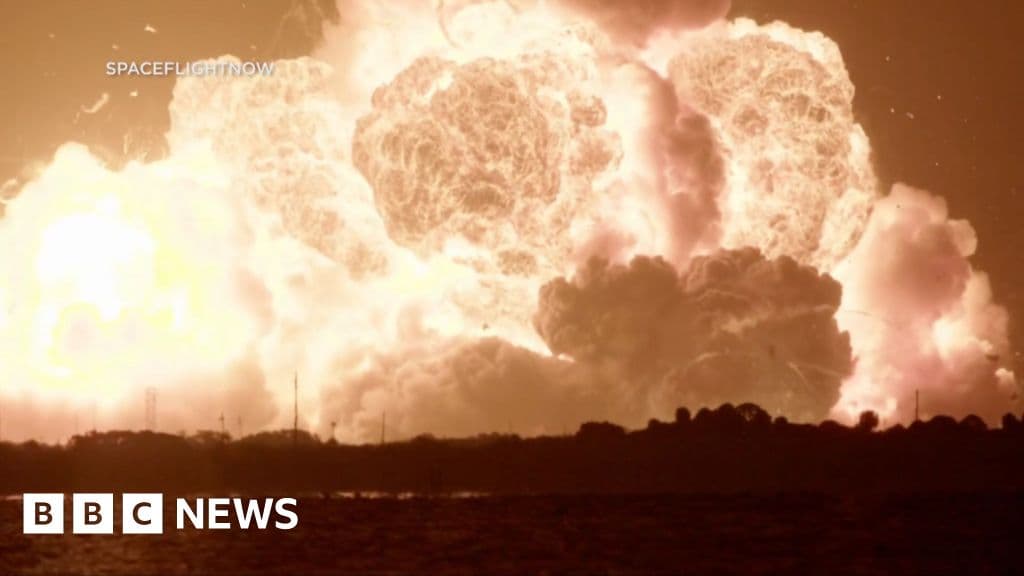
A Blue Origin rocket exploded during a test in Florida, prompting investigations. All personnel are safe. What does this mean for the future of space travel?
BBC Business