Discover how Gloucestershire is preparing for the exciting reintroduction of beavers, aiming to enhance biodiversity and community resilience.
Gloucestershire's Ambitious Beaver Reintroduction Initiative
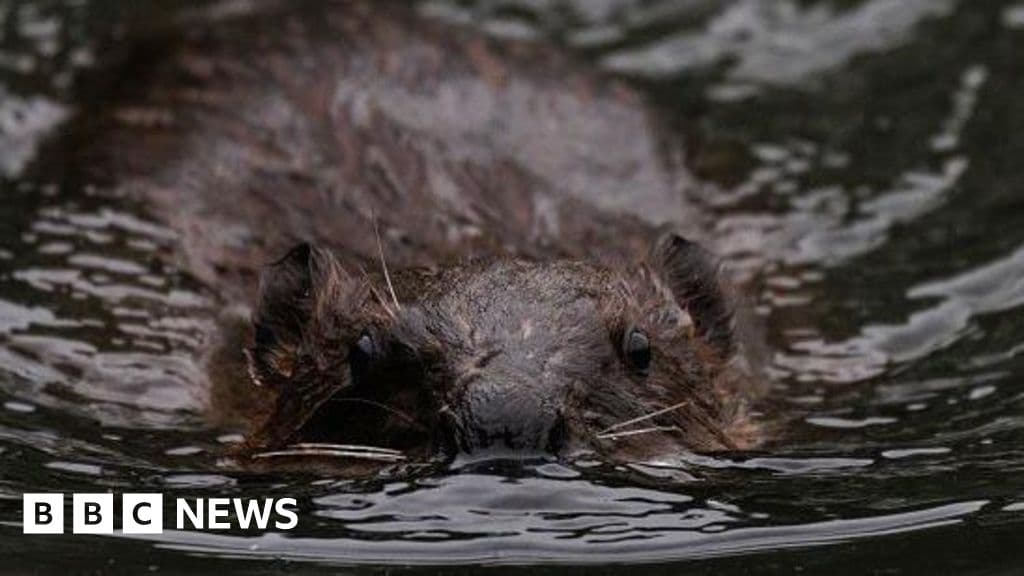
Gloucestershire is taking significant steps to become "beaver ready" as part of an ambitious project aimed at reintroducing these native mammals into the area. The **Severn Vale Beaver Project**, spearheaded by **Gloucestershire Wildlife Trust** and **Forestry England**, is entering a pivotal phase to expand the habitats of beavers in the **Forest of Dean**. With the first pair having arrived in **2018**, the project is now set to welcome more of these essential creatures into the ecosystem.
Public enthusiasm for the initiative has been noteworthy, with the Gloucestershire Wildlife Trust reporting strong community support. As the project progresses, preparations are underway to engage stakeholders further and plan effectively for the successful reintroduction of beavers.
## Key Developments in Beaver Recovery
One of the primary steps in this next phase includes the recruitment of two assistant species recovery officers. These officers will play a crucial role in coordinating efforts to support beavers while collaborating with landowners and local communities.
However, it’s essential to note that the reintroduction of the **Eurasian beaver** is not yet a certainty. The Gloucestershire Wildlife Trust has emphasized that any further actions will hinge on receiving licensing approval from **Natural England**.
**Emma Hutchins**, the director of nature's recovery at Gloucestershire Wildlife Trust, expressed optimism about the potential benefits of reintroducing beavers to the Severn Vale. She stated, "We believe that reintroducing beavers to the Severn Vale will be positive for both people and wildlife, helping to recreate lost habitats, increase biodiversity, and reduce downstream flooding for at-risk properties."
## Historical Context and Ecological Impact
The latest developments follow a comprehensive feasibility study that identified suitable locations for beaver reintroduction. This study revealed that **91%** of the surveyed public supports the return of beavers to Gloucestershire, reflecting a strong community desire to reconnect with the region's natural heritage.
Historically, beavers were prevalent across Britain for over **two million years** until they were hunted to extinction approximately **400 years ago**. Their reintroduction is viewed as a significant step toward restoring the ecological balance in the area.
**Dr. Amy Fitzmaurice**, a species recovery officer with Forestry England, highlighted the positive impact of existing beaver populations in enclosures within the Forest of Dean. She noted that these beavers are already playing a vital role in restoring wetlands, creating diverse habitats, and regulating water flow. "Across the country, beavers are starting to return to the wild too, but that kind of change takes time and careful planning," she said.
## Opportunities and Challenges Ahead
The collaboration between Gloucestershire Wildlife Trust and Forestry England represents a proactive approach to understanding the implications of beaver reintroduction for the Severn catchment area. By assessing both the opportunities and challenges that these mammals present, stakeholders aim to develop strategies that benefit both wildlife and the local community.
The next steps will involve ongoing discussions with local residents to address concerns regarding beaver-related impacts on agriculture and land use. Hutchins reiterated the commitment to working collaboratively with the community to balance the needs of beavers and the interests of local landowners.
## Looking Forward: What’s Next for Gloucestershire?
As Gloucestershire prepares for this exciting ecological endeavor, it is crucial to keep an eye on how the project unfolds. The upcoming licensing decisions by Natural England will be pivotal in determining the timeline and extent of the reintroduction.
The potential for beavers to enhance biodiversity and mitigate flooding is a promising prospect for the region. With continued public support and cooperative planning, Gloucestershire could see a thriving population of these keystone species return to their natural habitat, fostering a healthier ecosystem for future generations.
This initiative not only signifies a pivotal moment for wildlife conservation in Gloucestershire but also sets a precedent for similar projects across the UK aiming to restore native species and their habitats.
## Why It Matters
The return of beavers to Gloucestershire is more than just an ecological project; it represents a critical step towards restoring natural landscapes and enhancing biodiversity. As keystone species, beavers have the power to transform ecosystems, making this initiative vital for both environmental health and community resilience.
Key Highlights
- Gloucestershire is becoming "beaver ready" with a new reintroduction project.
- The Severn Vale Beaver Project aims to expand habitats in the Forest of Dean.
- 91% of the public supports bringing beavers back to Gloucestershire.
- Beavers are recognized for their ecological benefits, including wetland restoration.
- The project hinges on licensing approval from Natural England for success.