
Image: BBC Science
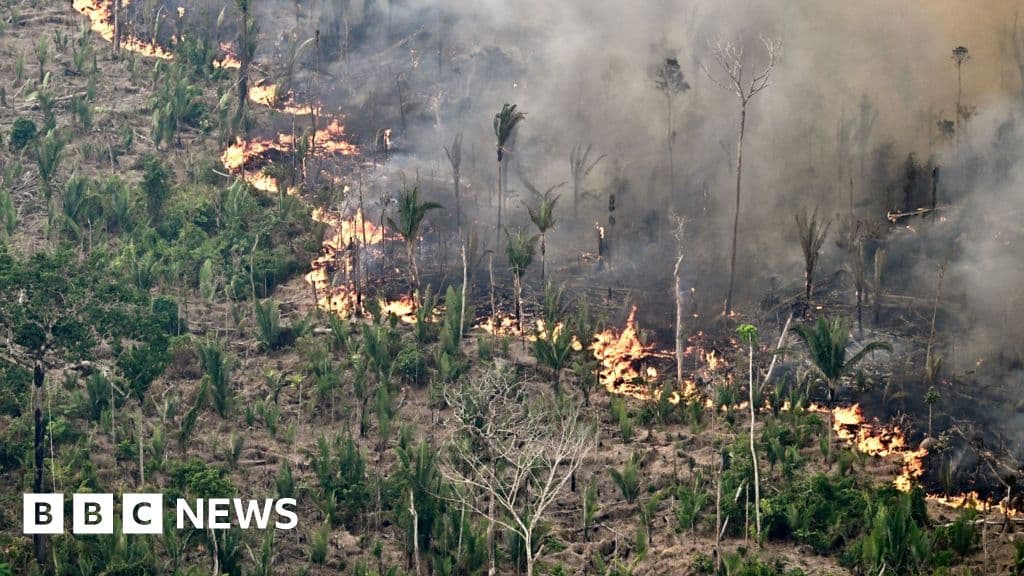
Recent data shows a decline in global tropical forest loss, but El Niño fires pose a significant threat to progress. What’s next for our forests?
GlipzoIn a significant development for environmental conservation, recent satellite data indicates a slowing in global tropical rainforest loss for the year 2025. This positive trend is largely attributed to Brazil’s intensified efforts to combat deforestation in the Amazon, the largest rainforest on the planet.
According to research, the planet lost approximately 43,000 square kilometers (or 17,000 square miles) of old-growth tropical forests last year, an area roughly comparable to the size of Denmark. Notably, this figure represents a 36% reduction compared to the record losses witnessed in 2024, signaling a potential turning point in forest conservation efforts.
However, experts caution that while the recent data shows improvement, the pace of rainforest disappearance remains alarmingly rapid, especially compared to figures from a decade ago. The ongoing threat from climate change and the anticipated effects of the El Niño weather pattern could further exacerbate forest fires, posing a significant risk to these vital ecosystems.
The latest statistics reveal that while the loss of tropical forests declined in 2025, the future may hold challenges. Researchers from the World Resources Institute and the University of Maryland have noted that the decline in deforestation was partly due to the cooler La Niña conditions that prevailed instead of the warmer El Niño conditions that are expected to develop.
Elizabeth Goldman, co-director of Global Forest Watch, expressed optimism about the trends: > "It’s incredibly encouraging to see the decline in 2025. It highlights how when we have political will and the right leadership, we can achieve tangible results in forest conservation."
This sentiment is echoed in Brazil, where stronger environmental policies and reinforced law enforcement have contributed to a notable decrease in deforestation. Last year, deforestation in Brazil was recorded at 5,700 square kilometers (or 2,200 square miles), marking the lowest level of forest loss since monitoring began in 2002.
Tropical rainforests serve as essential ecosystems, housing millions of species and playing a crucial role in carbon sequestration. A healthy rainforest can absorb vast amounts of carbon dioxide, acting as a natural buffer against climate change. However, decades of land clearance for agriculture and logging have placed these vital landscapes under unprecedented stress.
The COP26 climate summit in Glasgow in 2021 saw world leaders commit to halting and reversing forest loss by 2030. Despite this pledge, progress remains significantly off track. The alarming pace of forest loss in 2024, driven largely by intensified fires linked to climate change, highlighted the urgent need for effective action.
Rod Taylor, the global director for forest and nature conservation at the World Resources Institute, emphasized the adaptability of forests to regular climate fluctuations. However, the increasing intensity of fires and droughts necessitates a re-evaluation of strategies aimed at enhancing forest resilience.
> “With these new intense fires and droughts, we really have to think about how to make forests more resilient and protect them against climate and fire,” Taylor states.
The looming threat of forest fires later this year raises alarm bells among researchers. A combination of climate change and the onset of a new El Niño phase could heighten the risk of catastrophic fires, although precise predictions remain uncertain.
Professor Matthew Hansen of the University of Maryland warned: > “Climate change and land clearing have shortened the fuse on global forest fires. Without urgent action to manage fire more effectively, we risk pushing the world’s most important forests past recovery.”
In a related report, the EU's Copernicus Climate Service highlighted how climate change is fueling extreme weather events across Europe. Last year, 95% of Europe experienced above-average annual temperatures, which created conditions conducive to widespread wildfires. The continent's rapid warming poses a broader threat to ecosystems and biodiversity, demonstrating that the challenge of climate-related disasters extends far beyond tropical rainforests.
As we move forward, the interplay between climate change and significant weather patterns like El Niño will be critical in shaping the future of global forests. While 2025 brought some encouraging signs of reduced deforestation, the potential for increased fire activity looms large. Continued advocacy for stronger forest management practices and climate resilience strategies will be essential to protect these ecosystems.
In summary, while there is hope in the form of slower deforestation rates, the battle against climate change and environmental degradation is ongoing. Stakeholders must remain vigilant to safeguard the future of our forests.

Discover how the brain protein Menin could be the key to halting cognitive decline with new research that uncovers its vital role in aging.
Indian Express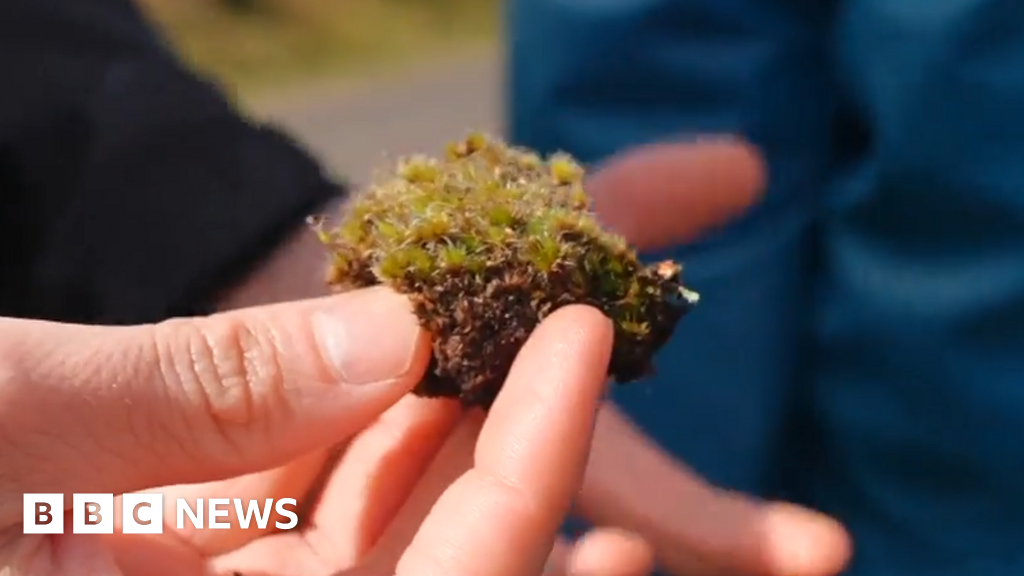
A new 'killer fungus' discovered in the UK targets invasive heath-star moss, offering hope for restoring native habitats. Will it turn the tide against invasives?
BBC Science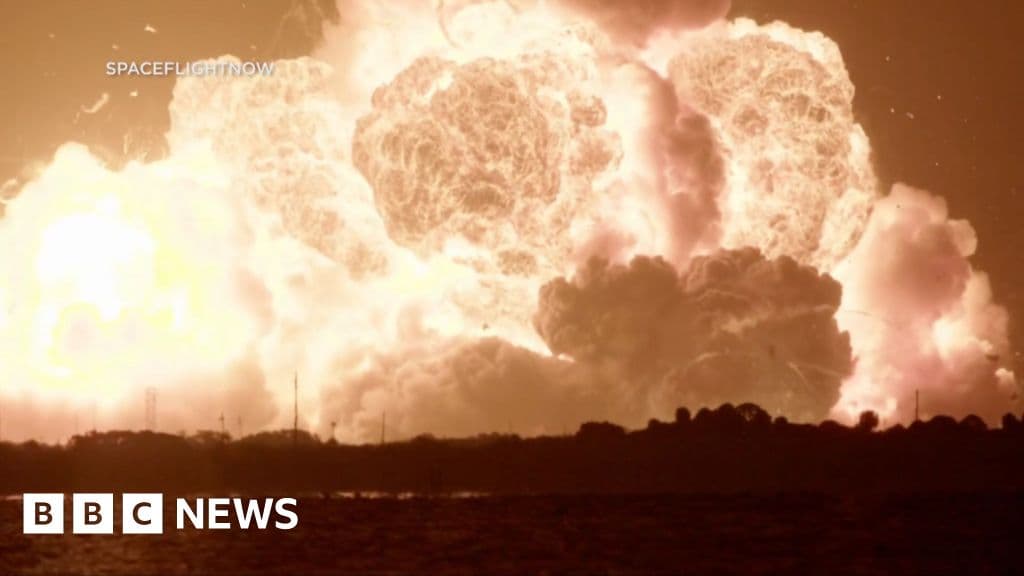
A Blue Origin rocket exploded during a test in Florida, prompting investigations. All personnel are safe. What does this mean for the future of space travel?
BBC Business