
Image: Ars Technica
TransAstra's ambitious plan to capture an asteroid could revolutionize space exploration. Discover how this project aims to reshape resource utilization beyond Earth.
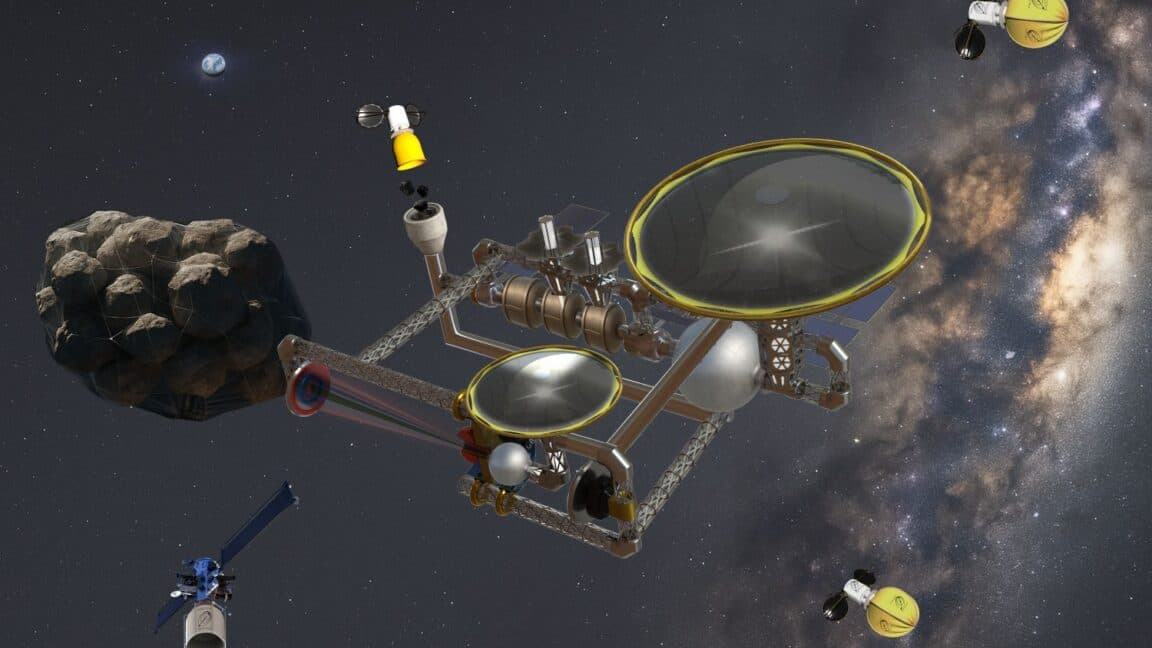
GlipzoIn a groundbreaking announcement, Los Angeles-based TransAstra has unveiled an audacious plan to capture a near-Earth asteroid. The company aims to send a mission to envelop a small asteroid in a specialized bag and return it to a designated area near Earth. This bold initiative, named the "New Moon" mission, has gained the backing of a yet-to-be-named customer, who is funding a feasibility study that may pave the way for a new era in space exploration and resource utilization.
According to Joel Sercel, CEO of TransAstra, the proposed asteroid is about the size of a house, weighing approximately 100 metric tons. Sercel envisions this captured asteroid becoming a hub for robotic research and development, focusing on processing materials and manufacturing in space. He articulated the long-term vision of harvesting propellant and resources directly from asteroids, rather than relying on Earth-bound supplies.
Sercel highlighted that there are around 250 potential asteroids that could be targeted for this mission, each with a diameter of up to 20 meters. Utilizing reusable robotic spacecraft, TransAstra plans to reach these celestial bodies within the next decade. The ultimate goal is to gather multiple asteroids at the “New Moon” facility, potentially located at the Earth-Sun L2 point, which lies about 1.5 million kilometers from our planet.
The resources from these asteroids could be revolutionary: - Water for propellant - Metals for construction, including materials for solar panels and radiation shielding - Various minerals tailored to specific needs based on the asteroid type
This concept may sound far-fetched, but it is precisely the aim of the feasibility study that TransAstra is currently conducting, set to be completed by May 2024. This study will refine the mission plan, trajectory, and the spacecraft required to execute the mission. If everything goes according to plan, the company could potentially rendezvous with an asteroid as early as 2028 or 2029.
TransAstra has already made strides in developing its asteroid capture technology. The "capture bag", made from advanced laminates like Kapton, is designed to expand around an asteroid, facilitating its transport to a new location. Last September, a 1-meter prototype of this bag was successfully tested aboard the International Space Station. An astronaut opened and closed the bag in the vacuum of space, demonstrating its feasibility.
Moreover, TransAstra received a significant boost in funding, winning a $2.5 million contract from NASA to scale the inflatable capture bag system to 10 meters in diameter, which is essential for seizing smaller asteroids. Coupled with private investments, this funding has accelerated the development and testing of the larger capture system.
To execute this ambitious mission, TransAstra is exploring partnerships with various providers for a spacecraft capable of deep space travel and asteroid rendezvous. Sercel noted, “We are studying the entire industrial base for who would provide the spacecraft.” The company aims to evaluate potential partners based on performance and cost-effectiveness, ultimately leaving the final decision to the mission’s customer.
Bringing back several kilograms of asteroid material is an ambitious undertaking, especially when considering the NASA OSIRIS-REx mission, which returned to Earth with 121.3 grams of material from the asteroid Bennu at a cost exceeding $1 billion. Contrarily, TransAstra's mission is projected to return vastly more material for a budget estimated at a “few hundred million dollars.”
The implications of TransAstra's mission extend beyond mere curiosity. If successful, it could mark a significant milestone for humanity's future in space. The ability to utilize materials from asteroids could revolutionize how we approach space exploration and colonization, allowing for sustainable development beyond Earth.
The mission presents an opportunity to shift from Earth-based resource dependence to in-situ resource utilization (ISRU) in space. This could lead to advancements in: - Space infrastructure development - Sustainable space missions - Economic opportunities in the emerging space economy
As TransAstra moves forward, the completion of the feasibility study will be a critical milestone to watch. The outcomes could reshape our understanding of asteroid mining and resource extraction in space. Furthermore, potential partnerships with major aerospace companies may emerge, setting the stage for collaborative efforts in the realm of deep space missions.
In conclusion, TransAstra's New Moon mission could redefine humanity's relationship with space resources. As the company pushes the boundaries of technology and innovation, the world will be watching closely to see if they can turn this ambitious vision into reality. The countdown to a new frontier in space resource utilization has begun, and the possibilities are limitless.

Discover how the brain protein Menin could be the key to halting cognitive decline with new research that uncovers its vital role in aging.
Indian Express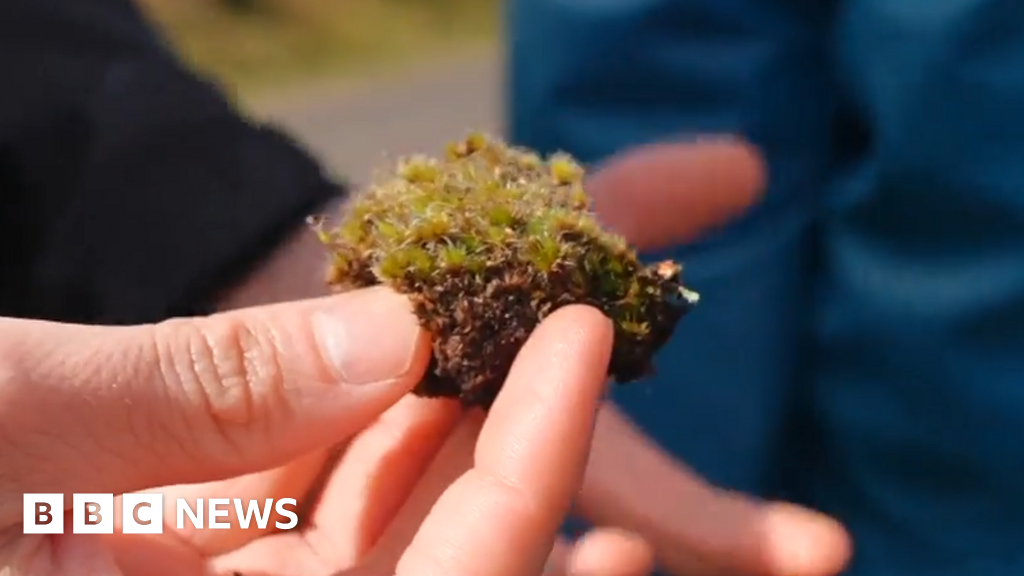
A new 'killer fungus' discovered in the UK targets invasive heath-star moss, offering hope for restoring native habitats. Will it turn the tide against invasives?
BBC Science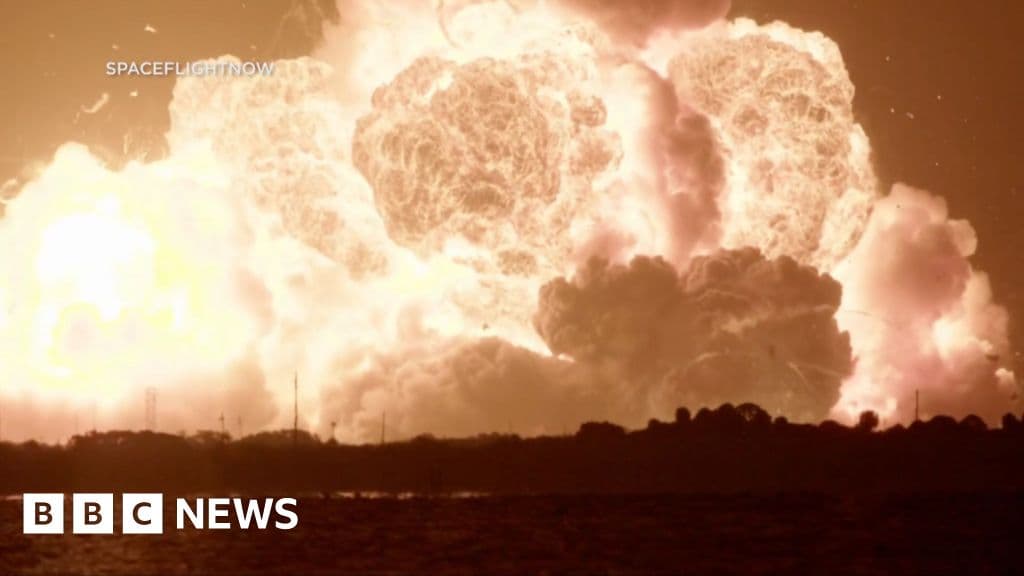
A Blue Origin rocket exploded during a test in Florida, prompting investigations. All personnel are safe. What does this mean for the future of space travel?
BBC Business