

Image: BBC Science
Catch the historic moment as the hatch of Artemis II's Orion capsule opens, reuniting astronauts with a cheering recovery crew after their groundbreaking mission.
GlipzoA newly released video has captured a moment of pure elation as a recovery crew opened the hatch of the Orion capsule from the historic Artemis II mission. This touching reunion took place after the capsule's splashdown on April 10, 2023, with astronauts Reid Wiseman, Victor Glover, Christina Koch, and Jeremy Hansen inside, all reported safe and in high spirits.
As cheers erupted from the recovery team, the significance of this mission was palpable. The Artemis II mission marked a groundbreaking achievement, with the astronauts traveling further from Earth than any human has ventured before. This mission not only pushes the boundaries of human spaceflight but also lays the groundwork for future exploration, including potential missions to Mars.
The Orion spacecraft, part of NASA's ambitious Artemis program, is designed for deep-space missions, and its successful re-entry and recovery are a testament to years of dedicated work by scientists and engineers. The launch of the Space Launch System (SLS), coupled with the Orion capsule, underscores NASA’s commitment to returning humans to the Moon and eventually enabling crewed missions to Mars.
The recovery operation commenced shortly after the capsule splashed down in the ocean, with the crew quickly assessed for their health and safety. This successful recovery operation highlights the meticulous planning and execution that have gone into the Artemis program.
In a show of solidarity and celebration for this monumental achievement, several iconic landmarks around the world dimmed their lights for an hour. Among them were France's Eiffel Tower and Barcelona's Sagrada Família Basilica, both of which went dark in recognition of humanity's latest leap into the cosmos. Such gestures serve to inspire and unite people worldwide, emphasizing the importance of space exploration in our shared future.
The Artemis II mission is not just about the astronauts' journey; it represents a collective human endeavor. The public's response, demonstrated through various global landmarks, reflects a shared excitement about what lies ahead in space exploration.
While the focus remains on the success of the Artemis II mission, Earth is also facing its own set of challenges. Storm Therese has recently battered the Canary Islands, bringing unusual weather patterns to regions not accustomed to such extremes, including snowfall in Tenerife. The Met Office has issued yellow weather warnings for wind and rain across the UK, illustrating the growing impact of climate change on our planet.
In addition, discussions around energy sources have taken center stage. Former President Donald Trump recently suggested that wind power is contributing to rising energy costs in the UK, prompting an examination of the data behind these claims and their implications for future energy policies.
Beyond space exploration, there are pressing environmental issues that require attention. Baroness Kathy Willis has been vocal about the importance of incorporating green and blue spaces in urban planning. These areas are critical for biodiversity and improving the quality of life in cities.
Researchers are also making strides in understanding our planet's climate history. By studying samples from the Antarctic ice sheet, scientists have gathered an environmental record spanning over a million years. This data is invaluable for understanding past climate changes and predicting future trends.
As the world celebrates the success of the Artemis II mission, attention turns to what lies ahead. The Artemis program is set to continue its momentum with plans for Artemis III, which aims to land astronauts on the Moon by 2025. This mission will not only pave the way for future lunar exploration but also serves as a stepping stone for Mars missions.
The prospect of human colonization of Mars remains on the horizon, with each successful mission building crucial experience and knowledge. As we look to the stars, it is equally important to remember our responsibilities on Earth. Balancing space exploration with environmental stewardship will be essential for future generations.
The Orion capsule's successful recovery is more than a moment of joy; it symbolizes a pivotal achievement in human history. The Artemis program ignites hope and curiosity, inspiring a new generation of scientists, engineers, and dreamers. As we push the boundaries of what is possible in space, we must also strive to care for our planet, ensuring a sustainable future for all.

Discover how the brain protein Menin could be the key to halting cognitive decline with new research that uncovers its vital role in aging.
Indian Express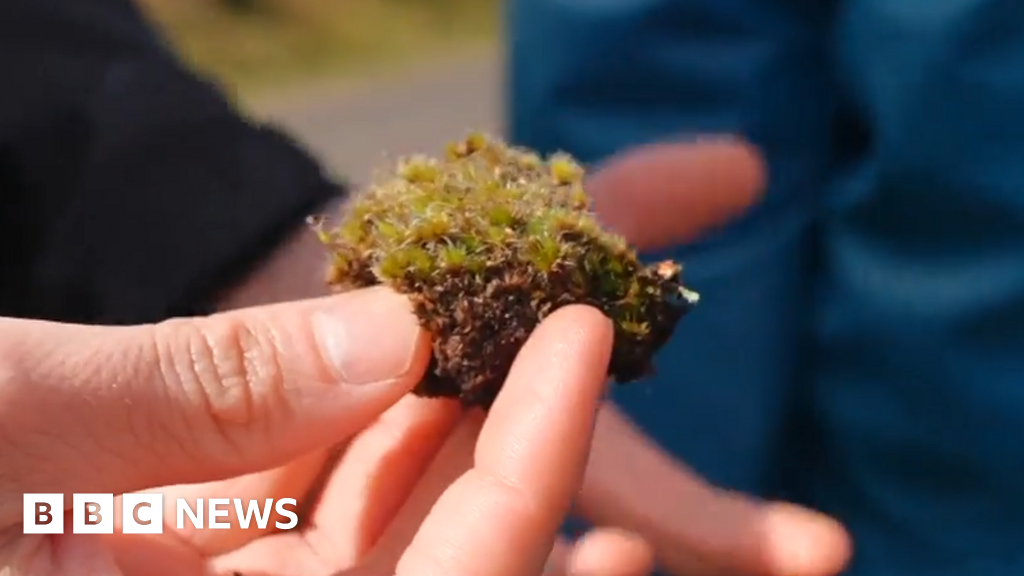
A new 'killer fungus' discovered in the UK targets invasive heath-star moss, offering hope for restoring native habitats. Will it turn the tide against invasives?
BBC Science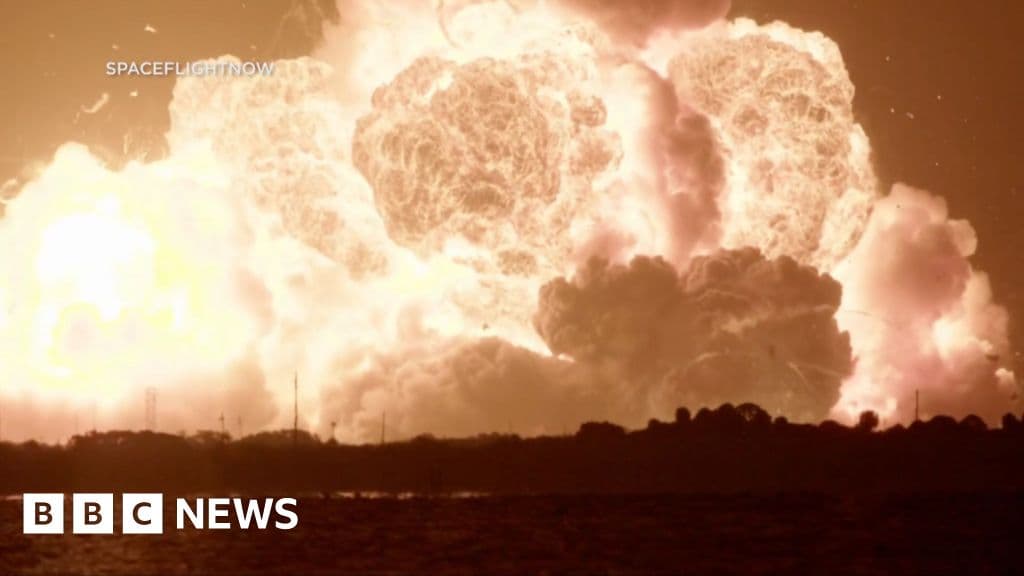
A Blue Origin rocket exploded during a test in Florida, prompting investigations. All personnel are safe. What does this mean for the future of space travel?
BBC Business