

Image: BBC Science
Artemis II crew honors late wife of commander Reid Wiseman by naming Moon crater 'Carroll.' Discover the emotional journey behind this tribute.
GlipzoIn a touching gesture during the Artemis II mission, astronaut Jeremy Hansen expressed to NASA's Kelsey Young that the crew desired to name several visible Moon craters. These craters, observable both with the naked eye and through telescopic lenses, hold significance for the team as they journey into the cosmos.
Among the proposed names is a crater that shines brightly on the Moon's surface, which the crew wishes to designate as “Carroll.” This name serves as a heartfelt tribute to the late Carroll Taylor Wiseman, the wife of Reid Wiseman, the Artemis II commander, who tragically passed away from cancer in 2020 at the age of 46. This act not only honors her memory but also embodies the spirit of human connection that space exploration fosters.
The naming of lunar features is more than a symbolic act; it represents the profound emotional ties astronauts maintain to their families and personal histories. By commemorating Carroll Wiseman, the crew reinforces the idea that space missions are not just scientific endeavors but also deeply personal journeys.
Reid Wiseman's leadership in the Artemis II mission, which aims to pave the way for future lunar exploration, showcases how personal loss can transform into a powerful motivation. The crew's decision to name a crater after Reid’s late wife amplifies the mission's emotional depth and reminds the public of the human stories behind the astronauts.
The Artemis II mission marks a significant milestone in NASA's efforts to return humans to the Moon, building on the successes of the Artemis I mission. This upcoming launch will be pivotal in testing new technologies and paving the way for a sustainable human presence on the Moon. The crew's training, which commenced at the Johnson Space Center in Texas shortly after their selection in 2023, has been thorough and rigorous.
Among the innovations being tested during this mission is a new “universal waste management system,” often referred to as the space loo. This system is essential for ensuring the health and comfort of astronauts during their extended missions beyond Earth, highlighting the importance of addressing human needs in space.
Safety remains a top priority for NASA, which is reflected in the design of the Artemis II spacesuits. These suits are engineered to protect astronauts during critical phases of flight, including launch and landing, while also being equipped to handle emergency scenarios. The technological advancements in spacesuit design underscore NASA's commitment to crew safety as they venture into uncharted territories.
The Artemis II crew’s mission is not only about exploration but also about setting precedents for future endeavors. The combination of honoring personal legacies while pushing the boundaries of human achievement makes the mission a compelling narrative in the history of space exploration.
The significance of naming a crater after Carroll Wiseman transcends the immediate lunar mission. It serves as a reminder of the emotional and psychological toll that space exploration can have on astronauts and their families. As NASA continues its ambitious plans for lunar exploration and eventual Mars missions, recognizing the personal sacrifices made by astronauts and their loved ones becomes increasingly important.
In today's climate, where space travel is becoming more accessible and frequent, the emotional stories behind the missions can resonate with wider audiences. They remind us that behind every technical achievement lies a human story filled with love, loss, and hope.
As the Artemis II mission approaches, all eyes will be on NASA to see how the crew performs in their groundbreaking journey. With a launch date set and rigorous training ongoing, the mission aims to not only reach the Moon but also inspire future generations of space explorers.
Future developments to watch for include: - Launch Date Announcements: Stay tuned for updates on the official launch date as preparations continue. - Public Engagement: NASA's efforts to engage the public with the mission will likely include live broadcasts and educational content about the mission's objectives. - Technological Innovations: Look for updates on the performance of new technologies, including the universal waste management system and advanced spacesuit designs.
The impact of the Artemis II mission, marked by its personal tributes and technological advancements, highlights the intersection of human emotion and scientific exploration. As we await the crew's journey, their tribute to Carroll Wiseman serves as a reminder of the profound connections that drive humanity forward into the cosmos.

Discover how the brain protein Menin could be the key to halting cognitive decline with new research that uncovers its vital role in aging.
Indian Express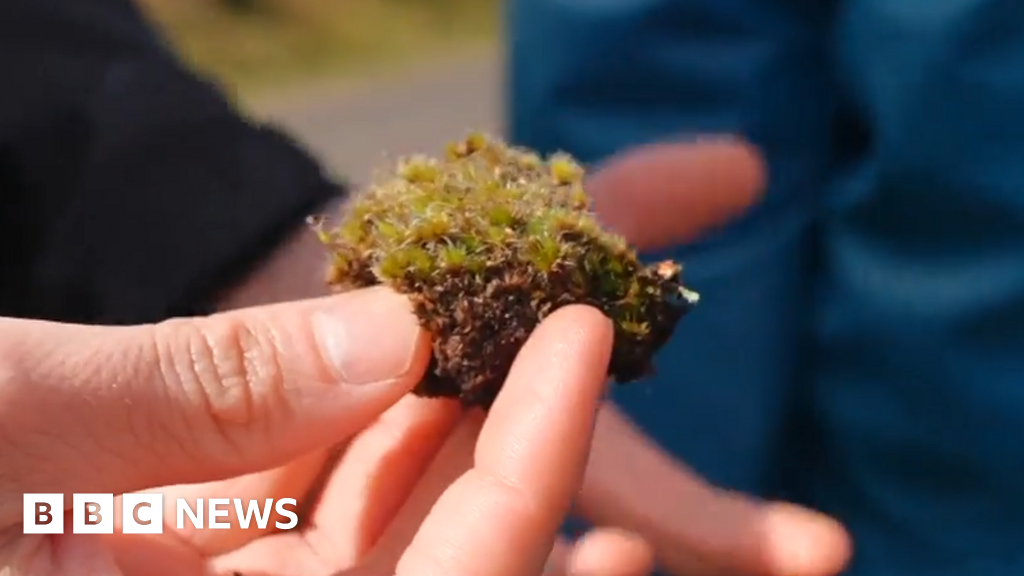
A new 'killer fungus' discovered in the UK targets invasive heath-star moss, offering hope for restoring native habitats. Will it turn the tide against invasives?
BBC Science
A Blue Origin rocket exploded during a test in Florida, prompting investigations. All personnel are safe. What does this mean for the future of space travel?
BBC Business