Discover how conservationists Ellyn Baker and Kevin McGinn are racing against time to save Wales' native plants and ensure ecological resilience.
Glipzo News Desk|Source: BBC Science
Share
Glipzo
Key Highlights
Ellyn Baker and Kevin McGinn are saving Wales' native seeds.
One-sixth of Welsh plants are threatened with extinction.
Plant diversity is crucial for food security and ecosystem health.
Successful restoration of the Shore Dock highlights conservation impact.
Only 11% of Wales' species are currently banked for preservation.
The Urgent Mission to Preserve Wales' Native Seeds
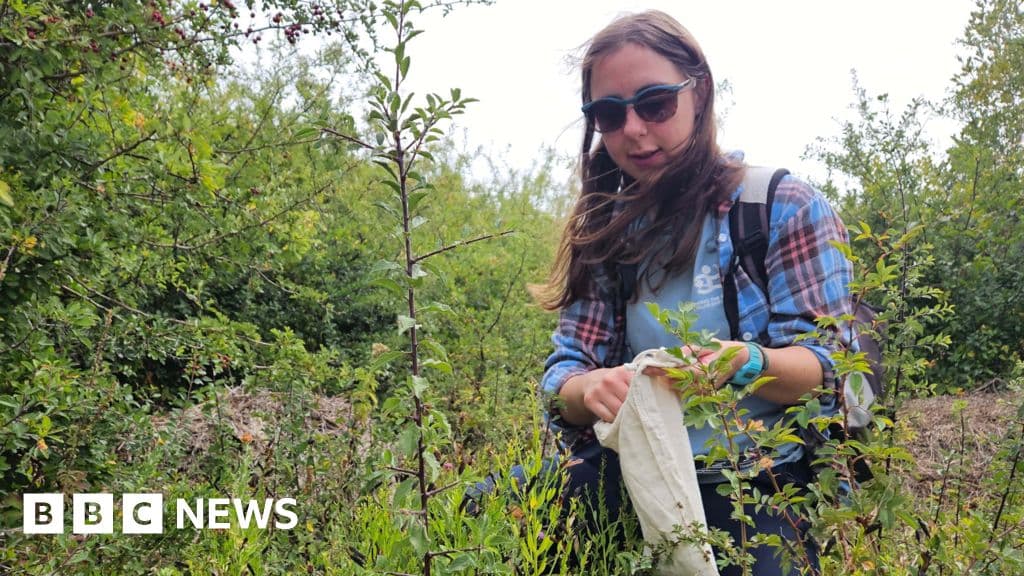
In a world facing increasing environmental challenges, the urgent work of conservationists **Ellyn Baker** and **Kevin McGinn** takes on a critical role. Based in **Carmarthenshire, Wales**, this dynamic duo is on a mission to collect and preserve seeds from native plants, creating a genetic library that could restore ecosystems in the event of catastrophic disasters.
Their efforts underscore a crucial point: Should disaster strike—whether through climate change, natural disasters, or human impact—this collection could be pivotal in reviving the unique biodiversity of Wales. Ellyn and Kevin have dedicated their lives to this cause, with meticulous planning to ensure they harvest seeds at the perfect moment when plants release them, a fleeting opportunity that can occur in just a few days.
## A Living Genetic Library for Future Generations
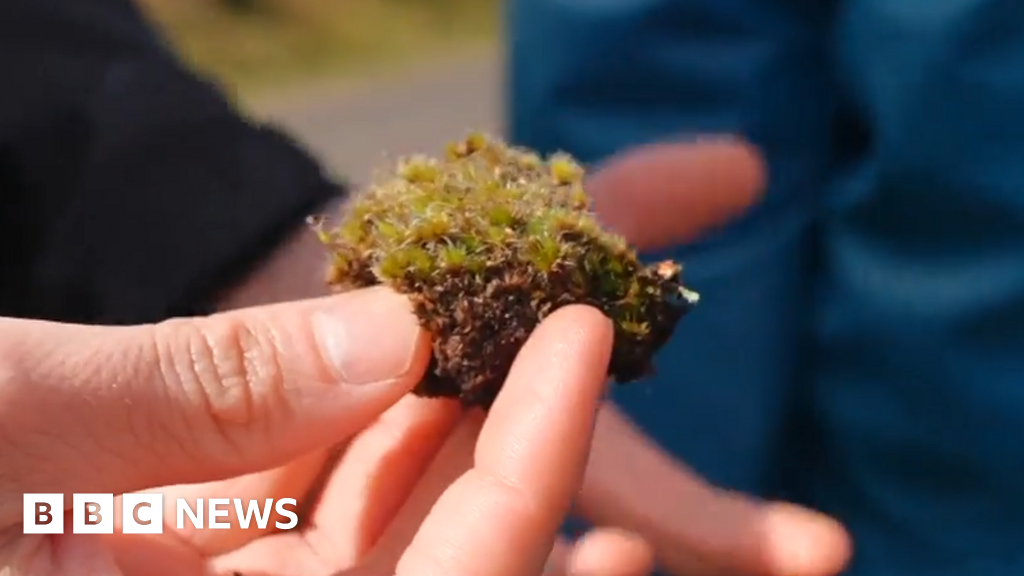
The importance of their work cannot be overstated. Inside a small lab at the **National Botanical Gardens of Wales**, they store thousands of seeds in labeled silver packets, all housed in humming freezers. This seed bank serves as a final defense against the extinction of native species. **Wales** is home to approximately **60 plant species** that exist nowhere else in the world, and losing any of these would mean their permanent disappearance from the planet.
Kevin, who serves as the curator of the seed bank and herbarium, emphasizes the gravity of the situation: **one-sixth** of all plant species in Wales are currently threatened with extinction. This loss could have wide-ranging consequences for humanity, affecting food production and local economies. “If a flood or drought wiped out all of Wales' wild plants, it would be this seed bank that could help restore the ecosystem,” he warns, highlighting the vulnerability of these species.
## The Ripple Effects of Plant Extinction
The duo also highlights a phenomenon known as **“plant blindness,”** where society often overlooks the critical benefits plants provide. Kevin explains, “When plant species are lost, ecosystems become less resilient to pressures such as climate change, disease, and extreme weather.” This loss can create a ripple effect, impacting not just the plants but also insects and animals that rely on them for survival.
The implications extend to humans as well; diminished floral diversity can lead to fewer pollinators, which subsequently affects crop yields and food security. Furthermore, plant diversity contributes to soil health, which is essential for agriculture, flood mitigation, and community resilience.
## The Fight Against Climate Change and Genetic Diversity Loss
With reduced plant populations comes a loss in genetic diversity, a crucial factor that enables species to adapt to changing environments. Kevin notes, “Genetic diversity is a resource for us too as humans, especially the wild relatives of crops.” These wild plants, including **sea radish** and **sea cabbage**, often possess valuable genes that grant them resistance to pests and diseases that cultivated crops may lack.
One notable success story is the **Shore Dock**, an extremely rare species that faced extinction in one of its three natural locations due to a landslide in Southerndown, **Vale of Glamorgan**. Thanks to Ellyn and Kevin's foresight in collecting seeds from this population, they were able to restore the species, a testament to the importance of their work.
## Time is of the Essence for Conservationists
As climate change intensifies and weather patterns grow more unpredictable, the race to collect and bank Wales' native species accelerates. Currently, only **11%** of Wales' **15,000 species** have been secured in the seed bank, highlighting the urgency of their mission.
Finding viable populations of rare plants is the first challenge in their work. Kevin explains, “Not all populations of rare plants produce good seed or have high enough numbers.” The duo often relies on passionate botanists across the country who assist in identifying locations of rare species, making their task a bit easier. However, challenges remain, as Ellyn shares that they have struggled with **Juniper** for three consecutive years, unable to bank seeds despite locating shrubs.
## The Future of Wales' Flora: What Lies Ahead
As Ellyn and Kevin continue their vital work, the question remains: what happens next for Wales' native flora? The need for biodiversity conservation has never been more pressing, and their efforts represent a critical front in the battle against extinction.
The broader implications of their work extend beyond Wales, as the loss of plant species can have global repercussions. With a changing climate, increasing urbanization, and other environmental pressures, safeguarding these native plants is not merely an act of conservation; it's a necessity for the health of our planet.
As these two conservationists push forward, it is essential for society to recognize the vital role that plants play in our ecosystems. Awareness and support for conservation efforts can help ensure that the unique flora of Wales—and indeed the world—survives for generations to come.